
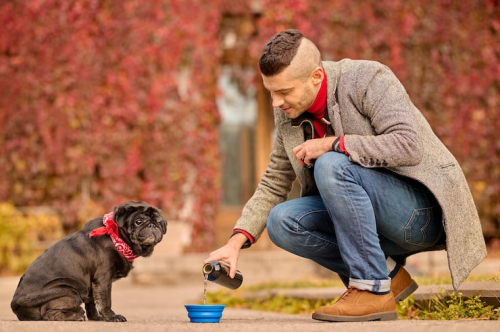
Welcoming a lively puppy into your home brings waves of happiness, but the early days quickly reveal how much patience the journey demands. One minute your new companion curls contentedly against you; the next, they’re gnawing the corner of your sofa or leaving surprise puddles across the floor. The difference between households that settle into harmony and those that struggle endlessly rarely comes down to chance. It stems from understanding how puppies actually learn. Countless owners now embrace science-backed puppy training techniques and watch their dogs grow into calm, confident companions instead of sources of constant correction.
Interest in effective training continues to rise steadily. The global pet training services market, valued at $3.83 billion in 2021, illustrates how seriously pet parents take methods that build stronger relationships and reduce problem behaviors. Fortunately, you do not need expensive professional sessions to achieve excellent results. With evidence-based strategies applied consistently at home, dedicated owners guide their puppies toward reliable good manners and mutual trust.
Your dog’s daily struggles pulling, mealtime anxiety, or reactivity don’t just cause stress, they chip away at the joy of being together. At Prime Paw, our positive reinforcement-based programs meet your dog where they are and build confidence, connection, and real skills. Our tailored programs in-person classes, coaching, and online resources help you enjoy calmer walks, relaxed routines, and a deeper connection. Ready for lasting change? Schedule a Prime Paw consultation today!
Understanding the Science That Drives Modern Training
Contemporary puppy training draws on decades of behavioral science demonstrating that dogs respond best to clear signals and predictable outcomes rather than outdated dominance theories or harsh corrections. Research into canine cognition shows puppies process information in ways strikingly similar to young children they thrive when they grasp cause-and-effect relationships. This perspective moves the emphasis away from forcing compliance toward setting the puppy up for success, so training feels like teamwork rather than conflict.
Advances in neuroscience further reinforce the approach. Pleasant experiences trigger dopamine release in a dog’s brain, powerfully strengthening behaviors that earn those rewards. Methods relying on fear or discomfort, by contrast, risk eroding trust and creating long-term anxiety. Owners who internalize these principles stop battling natural instincts and begin channeling them productively, transforming training from a chore into an enjoyable shared activity.
Building a Foundation with Positive Reinforcement
Positive reinforcement remains the cornerstone of every successful program because it capitalizes on how the canine brain naturally learns. Instead of reacting only when something goes wrong, thoughtful owners catch and reward desirable actions the instant they occur usually with a crisp marker word like “yes!” followed immediately by a small, high-value treat or warm praise.
- Deliver rewards variably at the beginning so the puppy remains motivated rather than entitled to payment every time.
- Swiftly fade food lures by linking them to hand signals, verbal cues, and affectionate touch.
- Keep sessions brief and frequent three to five minutes multiple times a day outperforms one drawn-out practice.
Observe how rapidly a puppy masters the sit command when each correct response brings genuine enthusiasm. The method succeeds because it aligns with universal mammalian learning mechanisms. Commands such as “stay” or “come” soon shift from struggles into games the puppy actively enjoys playing.
Why Early Socialization Shapes a Lifetime of Confidence
The period between roughly eight and sixteen weeks represents a golden window when a puppy’s brain is especially receptive to new stimuli without triggering fear responses. Experiences or the lack of them during these weeks largely determine whether the dog later approaches unfamiliar people, places, and sounds with curiosity or apprehension. Responsible socialization therefore extends far beyond simple dog-to-dog playdates. It involves carefully managed, positive introductions to traffic noise, different flooring textures, individuals wearing hats or uniforms, baby strollers, and household appliances.
Practical steps produce lasting results. Tuck your puppy into a carrier or sling and stroll through a calm outdoor market. Allow them to observe children at play from a comfortable distance while offering treats. Gradually present opening umbrellas or running vacuums paired with food rewards. Each pleasant encounter rewires the brain to associate novelty with safety, helping produce an adult dog who explores the world with relaxed confidence instead of defensive reactivity.
Effective House Training and Crate Training Strategies
House soiling incidents frustrate everyone involved, yet they diminish sharply when owners view elimination as a teachable skill rather than deliberate misbehavior. Establish a predictable routine: take the puppy out immediately upon waking, after every meal, following active play, and right before bedtime. Lavish calm, enthusiastic praise for outdoor success while removing indoor accidents thoroughly with enzymatic cleaners that eliminate lingering odors.
When introduced correctly, a crate becomes a welcome sanctuary rather than confinement. Place meals, special chews, and soft bedding inside, then build duration gradually. Most puppies quickly regard the crate as a safe personal space, which simultaneously prevents destructive chewing during unsupervised moments. Together, a reliable schedule and positive crate association remove much of the uncertainty from house training and safeguard your home without resorting to reprimands.
Addressing Common Challenges with Proven Solutions
Jumping up, play biting, and pulling on the leash rank among the behaviors new owners report most frequently. Each has straightforward, research-supported remedies that emphasize teaching alternatives instead of punishment. To curb jumping, turn away and withhold attention until all four paws rest on the ground, then reward the calm position. Uniform application across all household members usually eliminates the habit faster than repeated verbal commands delivered in frustration.
Mouthing and nipping fade when puppies receive acceptable chew items and instant redirection to a toy the moment teeth contact skin. Loose-leash walking improves through games that reward staying near your side with forward progress and treats, practiced first in distraction-free settings. These patient, proactive techniques succeed because they replace unwanted actions with desirable ones rather than simply trying to suppress them.
Enriching the Mind to Prevent Problem Behaviors
While physical activity matters, mental engagement often prevents mischief more effectively than extra walks alone. Scatter kibble inside puzzle feeders, hide treats throughout a room for “find it” searches, or teach scent games that tap into a puppy’s extraordinary nose. These challenges satisfy natural curiosity, reduce boredom, and foster independent problem-solving skills.
After core obedience skills solidify, add enjoyable tricks such as “touch” (nose target to palm), “spin,” or “place” (go to a designated mat). Such exercises sharpen focus, enhance self-control, and demonstrate to the puppy that thinking earns rewards. Dogs who discover clever behavior pays off carry enthusiasm into every subsequent learning opportunity.
Selecting Helpful Tools and Knowing When to Seek Guidance
Thoughtfully chosen equipment supports clear communication without replacing it. A properly adjusted front-clip harness reduces pulling pressure on the neck, clickers sharpen timing, and long training leads allow safe practice at a distance. Baby gates and exercise pens create secure zones for independent play. Still, the handler’s calm demeanor and precise reinforcement timing matter more than any accessory.
When steady effort yields slow progress, reach out to a credentialed, force-free trainer. Group classes provide structured socialization while private consultations tackle individual concerns. The time and resources devoted to professional input frequently translate into decades of smoother, more enjoyable coexistence.
The Lasting Rewards of Thoughtful Early Training
Puppies raised with science-informed methods mature into dogs granted greater freedom off-leash adventures, restaurant patios, crowded events because their guardians trust their responses. Early confidence-building reduces the likelihood of anxiety-related issues in later years and strengthens the emotional connection between person and pet in tangible ways: increased shared play, diminished conflict, and authentic companionship that genuinely enriches daily life.
Training never truly concludes; it matures into an ongoing dialogue that adapts to each life stage. Adolescence, adulthood, and senior years each present new chances to reinforce understanding and trust. Techniques that once required deliberate focus eventually blend seamlessly into routine, converting ordinary moments into quiet affirmations of partnership.
Begin right now with one gentle, intentional interaction. Mark and reward a polite sit before meals. Offer praise for a relaxed leash moment. Cheer every successful trip outdoors. These modest, consistent choices accumulate into a well-mannered dog who moves through the world with ease and a home filled with warmth rather than tension. Your puppy stands ready to learn. The evidence is clear. What remains is your steady, kind guidance and the deeply rewarding path ahead.
Frequently Asked Questions
What is the most effective science-backed puppy training technique for beginners?
Positive reinforcement is the most well-supported and beginner-friendly training method. It works by immediately marking and rewarding desirable behaviors using a word like “yes!” followed by a treat or praise which triggers dopamine release in the puppy’s brain and naturally strengthens those behaviors. Short sessions of 3–5 minutes repeated multiple times a day tend to outperform longer, infrequent practice. This approach aligns with how the canine brain actually learns, making training feel like teamwork rather than conflict.
When should I start socializing my puppy, and what does proper socialization include?
The critical socialization window falls between roughly 8 and 16 weeks of age, when a puppy’s brain is most receptive to new experiences without triggering fear responses. Effective socialization goes well beyond puppy playdates it includes positive, controlled exposure to traffic noise, different flooring textures, people in hats or uniforms, household appliances, and strollers. Pairing each new experience with treats helps the puppy’s brain associate novelty with safety, building the foundation for a calm, confident adult dog.
How do I stop my puppy from jumping up, biting, and pulling on the leash?
Each of these common behaviors has a research-supported remedy focused on teaching an alternative rather than punishing the unwanted action. For jumping, consistently turn away and withhold attention until all four paws are on the ground, then reward the calm position. Mouthing fades by immediately redirecting teeth to an appropriate chew toy, while loose-leash pulling improves through reward-based games that reinforce staying close to your side ideally practiced first in low-distraction environments.
Disclaimer: The above helpful resources content contains personal opinions and experiences. The information provided is for general knowledge and does not constitute professional advice.
You may also be interested in: PrimePaw Homepage – Prime Paw
Your dog’s daily struggles pulling, mealtime anxiety, or reactivity don’t just cause stress, they chip away at the joy of being together. At Prime Paw, our positive reinforcement-based programs meet your dog where they are and build confidence, connection, and real skills. Our tailored programs in-person classes, coaching, and online resources help you enjoy calmer walks, relaxed routines, and a deeper connection. Ready for lasting change? Schedule a Prime Paw consultation today!
Powered by flareAI.co