
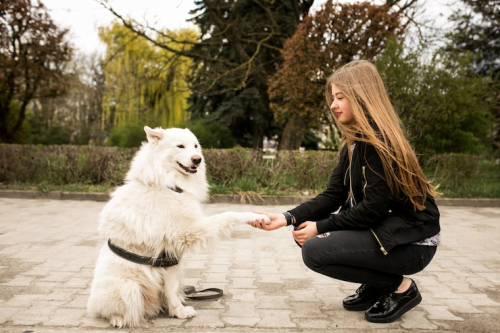
The pet services industry is experiencing robust growth, with North America commanding a leading share of the market as owners increasingly prioritize premium, customized care for their companions including personalized puppy training . In lively San Francisco neighborhoods where dogs are cherished family members, selecting the right puppy obedience class can transform daily life from stressful to joyful.
A quick search for “puppy obedience classes near me” in areas like the Mission District, Potrero Hill, SoMa, Dogpatch, Bernal Heights, Castro District, Noe Valley, or greater San Francisco reveals a crowded field: group sessions, private lessons, big-box offerings, and boutique independents. Each claims success, yet long-term results depend on more than promises they hinge on trust-building techniques, controlled learning spaces, and trainers attuned to individual puppy personalities.
Your dog’s daily struggles pulling, mealtime anxiety, or reactivity don’t just cause stress, they chip away at the joy of being together. At Prime Paw, our positive reinforcement-based programs meet your dog where they are and build confidence, connection, and real skills. Our tailored programs in-person classes, coaching, and online resources help you enjoy calmer walks, relaxed routines, and a deeper connection. Ready for lasting change? Schedule a Prime Paw consultation today!
Why Early Puppy Obedience Training Is Essential
The window from 8 to 18 weeks is irreplaceable. During this rapid developmental phase, puppies soak up experiences that shape behavior for life. Effective obedience classes go far beyond basic commands like sit or stay; they establish manners, boost confidence, and introduce vital social skills that curb future headaches such as leash pulling, guest jumping, or dog-directed reactivity.
In a compact, energetic city like San Francisco where crowded parks and busy sidewalks are everyday realities early training shifts from optional indulgence to essential preparation. Owners who act during these formative weeks typically enjoy smoother outings, quieter homes, and richer connections with their growing dogs.
Critical Elements to Evaluate in Any Program
No single class suits every pup or schedule. Thoughtful comparison focuses on these pillars:
- Training Philosophy Prioritize positive reinforcement that uses rewards like treats, praise, or toys to encourage desired actions. Avoid approaches built on punishment or outdated dominance ideas, which risk instilling fear in young, impressionable dogs.
- Class Size and Setting Smaller groups ensure personalized feedback and minimize risks during interactions. Purpose-built, supervised facilities outperform chaotic public spaces riddled with uncontrolled distractions.
- Trainer Expertise Seek certified trainers (such as CPDT-KA) who bring proven experience and adapt to each puppy’s developmental stage and temperament.
- Socialization Integration Top programs weave obedience practice with safe, guided play, teaching bite control, body language interpretation, and composure around novelty.
- Schedule Realism Flexible timing, makeup options, and home-support resources accommodate demanding urban lifestyles without sacrificing progress.
Overcoming Typical Hesitations Among Puppy Parents
Cost ranks high among concerns. While group classes require commitment, they often prove far more economical than addressing ingrained issues later through intensive private work. Many San Francisco programs fall in the $150–$300 range for multi-week courses, delivering strong value when measured against behavioral fixes down the road.
Doubt about effectiveness is common too especially with “stubborn” or high-energy breeds. Consistent positive methods produce reliable gains for nearly all puppies, though pace varies. Progress builds steadily when owners reinforce lessons at home.
Time scarcity plagues busy professionals. Weekly classes can seem impossible amid long commutes and packed calendars. Yet shorter formats, hybrid elements, or supportive take-home plans ease participation while still yielding meaningful change.
Standout Features in San Francisco’s Competitive Scene
Amid the city’s deep dog culture, exceptional providers distinguish themselves by merging individualized training with socialization under one secure roof. Skilled trainers evaluate each puppy’s specific traits and tailor exercises instead of applying generic templates.
Positive reinforcement drives the process, celebrating small wins to spark enthusiasm and repetition. This method creates motivated learners rather than compliant ones pressured by avoidance.
Convenience proves decisive for residents of neighborhoods like the Mission or Noe Valley. Centrally located venues cut commute time, boosting attendance consistency and overall outcomes.
The Power of Blending Obedience with Supervised Social Play
Integrating cue practice into controlled group interactions stands out as a game-changer. Puppies rehearse commands amid gentle real-world distractions, cementing skills where they matter most. This combined approach speeds mastery and nurtures balanced, adaptable temperaments.
Actionable Steps to Launch Your Search
- Watch a session live when permitted, or dig into authentic owner feedback.
- Schedule introductory discussions many provide complimentary assessments to ensure good fit.
- Ask pointed questions: How are regressions managed? What support exists for timid or boisterous pups?
- Build a home practice routine. Brief, frequent sessions lock in classroom gains.
As more owners embrace tailored pet services, the rewards of deliberate early training become clear in calmer routines and deeper companionship.
Wrapping Up: Choosing Wisely Shapes the Future
Finding the ideal puppy obedience class boils down to harmony among approach, setting, and your specific aspirations. Favor options rooted in positive techniques, personalization, and protected socialization for enduring benefits.
The experiences absorbed in those first months echo through adulthood. Committing to a well-matched program equips your puppy to thrive amid San Francisco’s vibrant streets, lively parks, and everyday adventures. The payoff relaxed leash walks, confident interactions, and an unbreakable bond makes the effort profoundly worthwhile.
Frequently Asked Questions
What should I look for in puppy obedience classes near me?
When evaluating puppy obedience classes, prioritize programs that use positive reinforcement techniques rewarding desired behaviors with treats, praise, or toys rather than punishment-based methods. Look for small class sizes, certified trainers (such as CPDT-KA), and facilities that integrate supervised socialization alongside obedience practice. Flexibility in scheduling and take-home support resources are also key for busy owners.
What is the best age to start puppy obedience training?
The ideal window for puppy obedience training is between 8 and 18 weeks of age, a critical developmental phase when puppies are most receptive to new experiences. Starting early helps establish good manners, build confidence, and develop social skills that prevent common behavioral issues like leash pulling, jumping on guests, and reactivity toward other dogs. Owners who act during this period typically see smoother outings and a stronger bond with their dog long-term.
How much do puppy obedience classes typically cost, and are they worth it?
In cities like San Francisco, most multi-week puppy obedience courses range from $150 to $300 a worthwhile investment when compared to the far higher cost of correcting ingrained behavioral problems through intensive private training later on. Group classes also offer the added benefit of socialization alongside skill-building, making them especially valuable for young puppies. Consistent attendance and reinforcing lessons at home maximize the return on that investment.
Disclaimer: The above helpful resources content contains personal opinions and experiences. The information provided is for general knowledge and does not constitute professional advice.
You may also be interested in: PrimePaw Homepage – Prime Paw
Your dog’s daily struggles pulling, mealtime anxiety, or reactivity don’t just cause stress, they chip away at the joy of being together. At Prime Paw, our positive reinforcement-based programs meet your dog where they are and build confidence, connection, and real skills. Our tailored programs in-person classes, coaching, and online resources help you enjoy calmer walks, relaxed routines, and a deeper connection. Ready for lasting change? Schedule a Prime Paw consultation today!
Powered by flareAI.co