
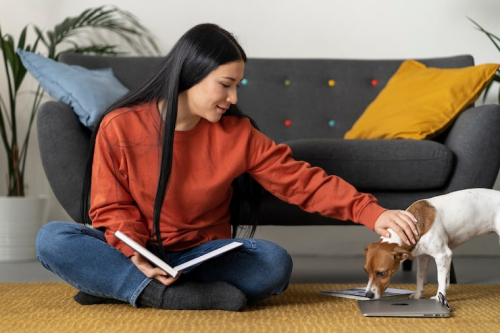
Bringing home a new puppy is exciting, but the first few weeks set the tone for everything that follows. Habits formed early often shape behavior, confidence, and how comfortably a young dog adapts to everyday life. For new dog owners beginning this journey, structured guidance can make the difference between guesswork and steady progress. That’s where a focused “puppy first steps” approach becomes essential blending early social exposure, basic obedience foundations, and consistent routines that support long-term behavior development.
For families and individuals ready to build those foundations with professional support, book puppy training PrimePaw offers a structured way to start strong from day one.
Your dog’s daily struggles pulling, mealtime anxiety, or reactivity don’t just cause stress, they chip away at the joy of being together. At Prime Paw, our positive reinforcement-based programs meet your dog where they are and build confidence, connection, and real skills. Our tailored programs in-person classes, coaching, and online resources help you enjoy calmer walks, relaxed routines, and a deeper connection. Ready for lasting change? Schedule a Prime Paw consultation today!
Why Early Puppy First Steps Shape Lifelong Behavior
The earliest stage of a puppy’s development is when learning is fastest and most impactful. During this time, young dogs are especially receptive to new experiences, environments, and interactions. Without structured exposure, they may develop uncertainty or avoidant behaviors later in life.
Research highlights that puppies go through a critical developmental window where exposure to new sights, sounds, people, and environments plays a major role in shaping confidence and adaptability. This period typically closes around 12–16 weeks, making early action especially important for long-term behavioral outcomes. One puppy socialization benefits resource emphasizes that well-designed group experiences help puppies build resilience and reduce fear-based responses later in life.
For new owners, this stage is not just about training commands it’s about building a stable emotional foundation that supports everything from leash walking to vet visits and social encounters. A structured beginning helps prevent small behavioral challenges from becoming long-term habits.
The Role of Early Socialization in Puppy Development
Socialization is one of the most important components of early training. It involves carefully introducing puppies to new environments, people, surfaces, and other dogs in a controlled and positive way. The goal is not overwhelming exposure, but consistent, positive experiences that build curiosity and confidence.
Well-run puppy classes provide an environment where this learning happens safely. Under supervision, puppies learn how to interact appropriately, develop bite inhibition through play, and begin understanding social boundaries. According to structured guidance on early puppy training classes, these environments also help owners learn to read body language and respond to their puppy’s needs more effectively.
For busy urban lifestyles, structured classes offer an added benefit: consistency. Rather than relying on unpredictable interactions in public spaces, puppies receive controlled exposure that supports positive behavioral growth. This is especially valuable during the early developmental window when experiences have lasting influence.
Puppy socialization during the critical early months profoundly influences lifelong behavior, confidence, and adaptability, making well-designed group experiences a worthwhile investment for new owners. The developmental window when puppies are most receptive to new experiences typically closes around 12-16 weeks, creating urgency for safe, positive exposures to people, sounds, surfaces, and gentle interactions with other puppies under supervision. Structured classes provide controlled environments where puppies learn bite inhibition through play, practice basic cues, and build resilience against fear responses that might otherwise develop from insufficient exposure. Guardians gain practical education on reading body language, implementing routines, and addressing common challenges like nipping or jumping, fostering better communication and preventing escalation of minor issues. Professional oversight ensures interactions remain safe and productive, balancing the low disease risk in vaccinated, healthy groups against the significant behavioral risks of isolation. Puppies who participate early demonstrate improved manners, reduced anxiety in novel situations, and stronger human bonds, contributing to lower relinquishment rates overall. For busy urban professionals in areas like San Francisco, these classes offer both skill-building and community support, directly complementing beginner programs by accelerating progress in body language awareness, basic obedience, and creating a well-adjusted companion ready for life’s adventures.
Building Obedience Foundations From Day One
Basic obedience is not about strict discipline in the early stages it is about communication. Puppies learn how to understand cues, respond to direction, and build trust with their handler. Simple skills like name recognition, recall foundations, and calm leash introduction form the backbone of future training.
Positive reinforcement plays a central role in this process. Reward-based learning helps puppies associate desired behaviors with positive outcomes, making them more likely to repeat those behaviors. Over time, this approach strengthens communication and reduces confusion during training.
In structured beginner programs, puppies also benefit from short, focused learning sessions. Their attention spans are still developing, so frequent repetition and calm reinforcement are more effective than long or complex drills. This approach supports steady progress without overwhelming the puppy.
When combined with socialization, obedience basics help puppies transition from reactive behavior to responsive behavior an essential shift for long-term stability and ease of living.
Potty Training as the First Major Milestone
One of the earliest and most important training milestones is housetraining. Establishing consistent routines early helps prevent confusion and builds confidence in both the puppy and the owner.
Puppies have small bladders and developing digestive systems, which means they need frequent opportunities to relieve themselves. Guidance from effective puppy housetraining notes that young puppies often require bathroom breaks approximately every 45 minutes during active periods, as well as after meals, naps, and play sessions.
Crate training is often used as a supportive tool in this process. When introduced positively, a crate aligns with a puppy’s natural preference for a clean resting space and helps establish a predictable routine. Combined with close supervision and consistent scheduling, this approach helps reduce accidents and reinforces outdoor elimination habits.
Equally important is reinforcement. Praising and rewarding the puppy immediately after they eliminate in the correct location strengthens the association between behavior and outcome. Consistency is key mixed signals can slow progress and create uncertainty.
For new owners, especially those living in environments with limited outdoor access, structured potty training support can dramatically reduce stress and accelerate success.
Successful potty training forms one of the most critical foundations for harmonious living with a new puppy and prevents many common frustrations that lead owners to surrender pets. Puppies have small bladders and immature digestive systems, requiring frequent opportunities to eliminate, typically every 45 minutes when active plus after meals, naps, and play. Using a properly sized crate leverages a puppy’s natural den instinct and preference for cleanliness, making it a powerful aid when introduced positively rather than as punishment. Consistent scheduling, close supervision to catch signals like whining or circling, and immediate positive reinforcement with praise and treats when the puppy goes in the designated outdoor spot accelerate learning and build reliable habits. Monitoring diet quality and portion sizes helps maintain digestive regularity, while enzymatic cleaners eliminate residual odors that might encourage repeat accidents. Challenges such as persistent indoor elimination in small breeds or regression during teething call for patience, veterinary checks to rule out medical issues, and refined management rather than punishment which can damage trust. For San Francisco puppy owners navigating urban living constraints, these evidence-based approaches align perfectly with structured early training that emphasizes prevention, routine, and communication, turning what can feel like an overwhelming process into manageable progress that supports confidence in both puppy and guardian.
What “Puppy First Steps” Training Focuses On
A well-designed puppy first steps program brings together socialization, early obedience, and household routine building into a single structured experience. Rather than focusing on advanced commands, the goal is to establish clarity, confidence, and consistency during the most formative stage of development.
Sessions typically prioritize calm introductions to new environments, guided interactions with other puppies, and foundational cue learning. Just as importantly, owners are coached on how to reinforce these behaviors at home so learning continues beyond the classroom.
For many new dog owners, the biggest challenge is not the puppy’s ability to learn, but understanding how to communicate effectively. Early training programs bridge this gap by teaching timing, reward placement, and behavior recognition in real time.
This foundation becomes especially valuable as the puppy grows. Dogs that begin with structured early learning are often more adaptable in public settings, more responsive to cues, and more comfortable with change.
How to Book Puppy First Steps at Primepaw
Getting started with structured training early helps prevent common behavioral issues and builds a smoother path forward for both puppy and owner. The booking process for beginner training is designed to be straightforward, allowing new owners to quickly secure a spot during this critical developmental stage.
Before enrolling, it helps to consider your puppy’s age, vaccination status, and readiness for group interaction. Since early socialization plays such an important role in development, starting within the recommended early window ensures your puppy benefits from positive exposure when it matters most.
From then, scheduling a beginner session provides immediate structure. Owners gain practical guidance on daily routines, reinforcement timing, and how to support behavior development at home. This combination of hands-on learning and professional instruction creates a strong foundation for future training stages.
For those ready to begin, puppy first steps training San Francisco programs offer a practical way to turn early uncertainty into structured progress. Whether the goal is better behavior at home, smoother walks, or improved social confidence, starting early makes each step forward more manageable and consistent.
Beginning training early is not about perfection it is about direction. With the right structure in place, puppies gain clarity, owners gain confidence, and the relationship between both becomes stronger and more enjoyable over time.
Frequently Asked Questions
What is Puppy First Steps at PrimePaw and what does the program include?
Puppy First Steps at PrimePaw is a beginner-friendly puppy training program designed to build essential early-life behaviors. It typically includes foundational obedience, socialization skills, and guidance for new puppy owners. The program helps puppies develop confidence while learning basic commands in a structured environment.
How do I book Puppy First Steps at PrimePaw online?
You can book Puppy First Steps at PrimePaw through the official PrimePaw website by selecting the Puppy First Steps program and choosing an available session. The booking process usually involves filling out a short registration form and confirming your preferred schedule. Once completed, you will receive a confirmation with all session details.
At what age should my puppy start the Puppy First Steps training at PrimePaw?
Puppies can typically begin the Puppy First Steps program at PrimePaw as soon as they are old enough to safely participate in early socialization and basic training. This is often around 8 to 16 weeks of age, depending on vaccination status and readiness. Early enrollment helps establish good habits and supports healthy behavioral development.
Disclaimer: The above helpful resources content contains personal opinions and experiences. The information provided is for general knowledge and does not constitute professional advice.
You may also be interested in: How Reward-based Methods Support Canine Confidence and Learning
Your dog’s daily struggles pulling, mealtime anxiety, or reactivity don’t just cause stress, they chip away at the joy of being together. At Prime Paw, our positive reinforcement-based programs meet your dog where they are and build confidence, connection, and real skills. Our tailored programs in-person classes, coaching, and online resources help you enjoy calmer walks, relaxed routines, and a deeper connection. Ready for lasting change? Schedule a Prime Paw consultation today!
Powered by flareAI.co