
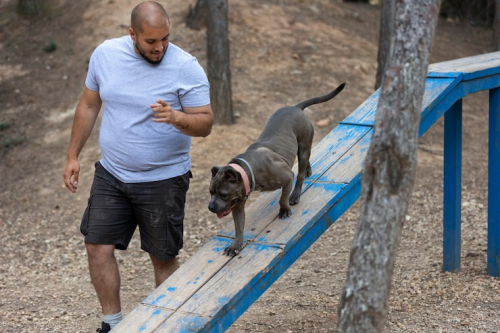
In the bustling streets of San Francisco, where apartment living meets hilly parks and diverse dog personalities collide daily, a quiet revolution is underway in how we teach our canine companions. Tailoring Canine Education reflects a broader shift away from one-size-fits-all obedience classes toward methods that honor each dog’s unique temperament, breed traits, age, and environment. This evolution feels particularly natural in a city known for its progressive spirit and tight-knit communities, and it mirrors trends now emerging across North American cities and select European urban centers.
Your dog’s daily struggles pulling, mealtime anxiety, or reactivity don’t just cause stress, they chip away at the joy of being together. At Prime Paw, our positive reinforcement-based programs meet your dog where they are and build confidence, connection, and real skills. Our tailored programs in-person classes, coaching, and online resources help you enjoy calmer walks, relaxed routines, and a deeper connection. Ready for lasting change? Schedule a Prime Paw consultation today!
The Shift Toward Personalized Canine Education
Urban dog owners today face distinct challenges: limited yard space, busy schedules, and frequent encounters with fellow pups during daily walks. In vibrant neighborhoods like the Mission District, Potrero Hill, SoMa, Dogpatch, Bernal Heights, Castro District, and Noe Valley, trainers and owners increasingly recognize that what works for a high-energy cattle dog mix may fall flat for an anxious senior rescue. This individualized training approaches prioritizes understanding the dog’s specific learning style rather than enforcing uniform commands across the board.
The change stems from deeper awareness of canine cognition and behavior science. Tech professionals in SoMa and young families in Bernal Heights seek training that fits their lifestyles, not rigid weekend boot camps. The result is more engaged dogs and less frustrated humans a benefit that resonates from Vancouver to Berlin, where similar urban densities shape daily pet life.
Emerging Trends Defining Modern Dog Training
Three significant movements are reshaping the field across North America and parts of Europe. First, behavior-specific programs tailor sessions to breed characteristics, age, and personality. Trainers in Dogpatch and the Mission District craft plans for reactive terriers versus calm companion breeds, adjusting pace and techniques to match each animal’s natural responses.
Second, technology plays a supportive role without overshadowing the relationship. In the Castro District and Noe Valley, apps and smart collars track activity patterns, helping owners monitor progress between sessions. These tools deliver practical insights that enhance, rather than replace, the human-animal bond central to successful training.
Third, positive reinforcement and holistic methods have gained strong traction, especially in Bernal Heights. Programs now incorporate mental enrichment, scent work, and confidence-building exercises that address the whole dog, moving well beyond basic sit-stay commands.
Neighborhood Nuances Across San Francisco
Each San Francisco pocket brings its own flavor to canine education, creating opportunities for highly relevant local adaptations. The Mission District’s energetic vibe suits group classes that double as social opportunities for both dogs and owners. Potrero Hill’s steeper terrain inspires training that builds physical confidence alongside reliable commands. SoMa’s tech-savvy residents lean into app-integrated progress tracking, while Dogpatch’s industrial-chic parks become natural classrooms for real-world distraction training.
Bernal Heights offers quieter residential streets ideal for noise-sensitive dogs. The Castro District and Noe Valley attract owners seeking inclusive, community-oriented approaches that celebrate the city’s diversity. These localized adaptations demonstrate why blanket solutions rarely deliver lasting results in varied urban settings.
Real-World Examples in Action
Consider the Mission District Dog Training Cooperative, where trainers design neighborhood-specific programs for high-energy breeds common in the area. Sessions often begin in contained park spaces before graduating to bustling sidewalks, teaching dogs to navigate urban chaos with calm focus. Owners consistently report remarkable improvements in recall and impulse control within just a few weeks.
In Potrero Hill, urban dog owners have embraced hybrid models blending private sessions with small group outings. Popular programs pair young professional’s demanding schedules with flexible evening slots, incorporating hill climbs that simultaneously build fitness and mental focus. These practical adaptations transform training into a seamless part of daily life rather than an added chore.
Expanding the Model to Broader Regions
Similar personalized strategies are taking root in Canadian cities like Toronto and Vancouver, where multicultural neighborhoods require culturally attuned approaches. In Europe, trainers in compact cities such as Amsterdam and Barcelona adapt the same principles to local regulations and lifestyles, emphasizing welfare-focused methods that align with regional values around animal companionship.
The Broader Industry Context
Across North America, interest in professional dog services continues to expand as more households welcome dogs into their families. North America maintains a leading position in the dog services sector, reflecting strong commitment to quality care and education. What matters far more than any single figure is the underlying driver: people increasingly view their dogs as true family members deserving thoughtful, individualized attention. This perspective fuels meaningful innovation in training methodologies that deliver better outcomes for pets and deeper satisfaction for owners.
Benefits That Extend Beyond Basic Obedience
Individualized training yields measurable improvements in behavior, safety, and overall quality of life. Dogs learn more efficiently when methods match their natural learning preferences, which reduces stress and builds lasting confidence. Owners gain practical tools tailored to their specific living situations whether managing a reactive dog in crowded SoMa elevators or helping an older pet stay active in Noe Valley’s gentler terrain.
- Stronger human-dog bonds develop through collaborative rather than purely corrective sessions.
- Fewer behavior issues surface at home and in public spaces.
- More enjoyable outings become the norm for families and their well-mannered companions.
- Greater peace of mind emerges from truly understanding each dog’s unique needs.
These advantages prove especially valuable in dense urban environments where polite, confident dogs make community living smoother for everyone involved.
Technology as an Enabler, Not a Replacement
While gadgets and apps enhance modern training, the most successful programs keep the relationship firmly at center stage. Wearable trackers in Castro District homes help identify patterns such as when a dog feels most receptive to learning allowing trainers to optimize session timing. Yet the most effective practitioners use this information to deepen the human-dog connection rather than create distance.
European trainers in cities like Amsterdam and Berlin report parallel successes with tech-supported personalization. These hybrid approaches travel well across different regulatory landscapes while respecting local preferences for balanced, welfare-focused methods that prioritize the dog’s emotional wellbeing.
Challenges and Practical Considerations
Individualized training requires greater initial investment in thorough assessment and customization. Finding qualified professionals who genuinely tailor their methods rather than simply rebranding standard programs remains essential. Cost and time commitments can challenge busy households, though many trainers now offer flexible packages and virtual check-ins to improve accessibility across income levels and schedules.
Owners should always consider their dog’s specific health history and current condition. What works beautifully for one animal may need thoughtful modification for another. Consulting with veterinarians alongside experienced trainers ensures a comprehensive approach that places welfare above all other priorities.
Common Questions About Individualized Training
Many owners wonder whether personalized programs are worth the extra effort compared to traditional group classes. Experience shows that while group sessions provide valuable socialization, individualized attention often accelerates progress for dogs with specific challenges or unique personalities. Another frequent question concerns technology: smart tools support rather than replace skilled human guidance, serving as valuable allies in the training journey.
Looking Forward: A More Empathetic Future for Canine Education
As our understanding of dog cognition continues to deepen and urban living evolves, individualized training approaches are poised to become the standard rather than the exception. San Francisco’s diverse neighborhoods offer a compelling preview of this future one where education honors each dog’s distinct personality while strengthening the human-animal bond that makes sharing our lives with dogs so profoundly rewarding.
The most successful owners and trainers will keep blending science, technology when appropriate, and genuine empathy. In doing so, they create not just better-behaved pets, but happier, more confident dogs who thrive alongside their people in the unique contexts of city life. Whether navigating Potrero Hill’s slopes or enjoying a peaceful Bernal Heights sunset walk, the right training approach can transform everyday routines into meaningful opportunities for connection and growth. This thoughtful evolution benefits dogs, owners, and entire communities alike.
Frequently Asked Questions
What is individualized dog training and how is it different from traditional group obedience classes?
Individualized dog training tailors sessions to a dog’s specific breed traits, age, temperament, and environment rather than applying a one-size-fits-all curriculum. Unlike traditional group obedience classes, personalized programs assess each dog’s unique learning style and behavior challenges such as reactivity, anxiety, or high energy and design techniques accordingly. While group classes still offer valuable socialization, individualized attention tends to accelerate progress for dogs with specific needs. This approach results in stronger human-dog bonds and more lasting behavioral improvements.
How does positive reinforcement fit into modern, personalized dog training programs?
Positive reinforcement is a cornerstone of modern individualized dog training, rewarding desired behaviors to build confidence and cooperation rather than relying on correction-based methods. Today’s programs go beyond basic sit-stay commands to include mental enrichment, scent work, and confidence-building exercises that address the whole dog. This holistic approach reduces stress for the animal and makes learning more efficient by aligning with each dog’s natural responses. The result is a calmer, more self-assured dog that thrives in real-world urban environments.
Can technology like apps and smart collars improve personalized dog training outcomes?
Yes when used thoughtfully, technology like activity-tracking apps and smart collars can meaningfully support personalized dog training by identifying behavioral patterns, such as when a dog is most receptive to learning. Trainers use this data to optimize session timing and track progress between appointments, making the overall program more adaptive and effective. However, the most successful approaches keep the human-animal relationship at the center, using tech as an enhancer rather than a replacement for skilled, empathetic guidance. This balanced model is gaining traction in urban areas across North America and Europe alike.
Disclaimer: The above helpful resources content contains personal opinions and experiences. The information provided is for general knowledge and does not constitute professional advice.
You may also be interested in: Which Dog Training Method Is the Best?
Your dog’s daily struggles pulling, mealtime anxiety, or reactivity don’t just cause stress, they chip away at the joy of being together. At Prime Paw, our positive reinforcement-based programs meet your dog where they are and build confidence, connection, and real skills. Our tailored programs in-person classes, coaching, and online resources help you enjoy calmer walks, relaxed routines, and a deeper connection. Ready for lasting change? Schedule a Prime Paw consultation today!
Powered by flareAI.co