
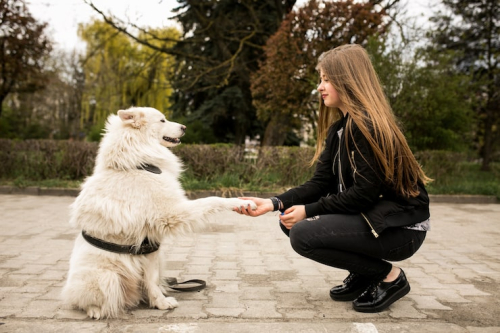
In the energetic neighborhoods of San Francisco, busy professionals often find themselves balancing demanding careers with the delightful whirlwind of raising a new puppy. The search for an effective, humane training approach can feel daunting amid tight schedules and urban challenges. Yet positive reinforcement stands out as a proven path to raising confident, well-mannered dogs built on trust rather than fear. Inspired by the thoughtful, reward-based methods championed by experienced trainers such as Maureen Keene of Keene Kanine, this approach turns early puppyhood into a solid foundation of mutual respect and joyful learning.
Your dog’s daily struggles pulling, mealtime anxiety, or reactivity don’t just cause stress, they chip away at the joy of being together. At Prime Paw, our positive reinforcement-based programs meet your dog where they are and build confidence, connection, and real skills. Our tailored programs in-person classes, coaching, and online resources help you enjoy calmer walks, relaxed routines, and a deeper connection. Ready for lasting change? Schedule a Prime Paw consultation today!
The Core Principles of Positive Reinforcement Training
Positive reinforcement centers on rewarding the behaviors you want to see more of, rather than focusing on punishment for mistakes. Trainers use clear markers like a clicker or enthusiastic verbal cue followed immediately by treats, praise, or play. This science-backed technique helps puppies grasp concepts quickly because it works with their natural motivations instead of against them. Maureen Keene has demonstrated through years of professional practice how consistent, kind rewards foster lasting behavioral change while preserving and strengthening the precious bond between dog and owner.
Puppies between eight and eighteen weeks old are in a critical developmental stage where gentle, encouraging guidance creates lifelong positive habits far more effectively than later corrective measures.
Why Personalized Training Resonates in San Francisco Neighborhoods
From the vibrant streets of the Mission District and Potrero Hill to the dynamic energy of SoMa, Dogpatch, Bernal Heights, the Castro District, and Noe Valley, San Francisco puppies navigate compact living, bustling sidewalks, and lively social environments. PrimePaw delivers tailored positive reinforcement training designed specifically for these urban realities, customizing each program to match the individual puppy’s personality and specific needs whether the dog tends toward shyness, high energy, or quick distraction.
This individualized focus extends well beyond basic obedience commands. It seamlessly integrates essential training with socialization opportunities within one safe, professionally supervised setting. Puppies build confidence interacting with other dogs and people while mastering key skills, all guided by seasoned trainers committed exclusively to humane, reward-focused techniques.
Integrating Training and Socialization for Everyday Confidence
Many new owners worry whether their puppy will maintain good manners beyond the training space. By weaving socialization directly into structured sessions, forward-thinking programs like PrimePaw tackle this challenge effectively. Puppies practice calm greetings, polite leash walking, and appropriate play in controlled group environments before encountering the unpredictable realities of San Francisco parks and neighborhood streets.
Experienced trainers provide gentle guidance during these interactions, modeling successful outcomes and helping each dog develop genuine security in varied situations. The outcome is noticeably reduced problems such as excessive barking, jumping on people, or anxiety around strangers.
Addressing Typical Concerns of Puppy Parents
Cost frequently ranks high among objections for families welcoming a new puppy. Quality training is indeed an investment, yet it often prevents costlier issues later including damaged household items, stress-related veterinary expenses, or the emotional toll of behavioral challenges. Many San Francisco households discover that the long-term benefits and greater peace of mind more than justify the commitment.
Some parents question whether training will truly succeed with their particular dog. The strength of positive reinforcement lies in its remarkable flexibility. Skilled trainers quickly discover what truly motivates each unique puppy be it a special treat, favorite toy, or genuine praise and build upon that foundation for reliable results.
Time limitations present another common barrier in fast-paced city life. Efficient group classes that combine training and socialization help maximize every minute, delivering substantial progress through focused, engaging sessions. Convenient neighborhood support options further ease the path to consistency, even for busy dual-income families.
The Scientific Foundation of Modern Dog Training
Positive reinforcement aligns closely with decades of behavioral science research. It reinforces neural connections linked to desirable choices, making good behaviors increasingly automatic over time. Punishment-based methods, by comparison, risk heightening fear and anxiety, which can inadvertently worsen behavioral patterns.
The emphasis on emotional well-being seen in approaches like those of Maureen Keene reflects a broader evolution in dog training toward greater compassion and effectiveness. This growing recognition of pets as true family members drives increased interest in supportive, enriching experiences that nurture both mental and physical health.
Everyday Advantages for Urban Dog Owners
In San Francisco’s compact living environments, a thoughtfully trained puppy translates to reduced household stress and more harmonious daily routines. Owners frequently describe calmer neighborhood walks, smoother veterinary appointments, and greater enjoyment at dog-friendly cafes and parks. These training methods also promote valuable mental stimulation, complementing the wider appreciation for interactive activities that keep dogs engaged and fulfilled.
Selecting the Most Effective Training Approach
When comparing options, prioritize programs that clearly demonstrate these hallmarks:
- Truly personalized attention adapted to your dog’s distinct behavior and needs
- Seamless integration of training with socialization in secure, supervised settings
- Consistent, exclusive use of positive reinforcement by knowledgeable professionals
- Flexible scheduling designed around real urban lifestyles
PrimePaw embodies these standards, serving families throughout key San Francisco communities with a steadfast commitment to building trust and cooperation rather than relying on fear or force.
The Transformative Effects on Families and Dogs
Puppy parents regularly share inspiring accounts of meaningful change. A previously anxious rescue dog develops newfound confidence through steady positive experiences. An exuberant young dog masters better impulse control, making apartment living far more peaceful for everyone. These improvements extend beyond individual households, fostering deeper human-animal connections and encouraging a more empathetic culture of pet care.
The broader pet world reflects this heightened awareness of mental and emotional needs, with many owners seeking enriching tools and experiences to support their dog’s well-being. The real measure of success, however, remains in tangible, everyday improvements puppies maturing into adaptable, content companions fully prepared for vibrant city life.
Building Confidence Through Evidence-Based Methods
When uncertainty arises about whether newly learned behaviors will endure, remember that steady consistency outweighs the pursuit of perfection. Brief, regular positive sessions consistently outperform infrequent or harsh corrections. Professional support equips owners with practical strategies to sustain progress without exhaustion.
For those balancing demanding schedules, contemporary programs streamline learning by combining multiple developmental goals into single, rewarding experiences. This thoughtful design honors the realities of modern life while delivering meaningful, lasting outcomes.
Looking Forward: Nurturing Well-Adjusted Dogs in San Francisco
As more households open their homes to puppies, the value of beginning with humane and scientifically sound methods grows increasingly evident. Positive reinforcement, illustrated by dedicated professionals like Maureen Keene and implemented thoughtfully by local programs, creates pathways to genuine harmony rooted in understanding instead of control.
No matter whether your home is in Bernal Heights, the Castro District, or any of the city’s distinctive neighborhoods, the guiding principles stay consistent: meet your puppy at their current level, celebrate incremental successes, and cultivate an atmosphere where learning feels inherently rewarding. The dedicated effort during those early formative months yields rich rewards for years ahead through relaxed outings, resilient bonds, and a dog that flourishes as a cherished family member.
Ultimately, exceptional training transcends mere obedience. It cultivates curiosity, self-assurance, and a profound sense of connection. For San Francisco puppy parents prepared to embark on this journey with care and intention, the right positive reinforcement approach truly transforms the experience.
Frequently Asked Questions
What is positive reinforcement dog training, and why is it recommended for puppies in San Francisco?
Positive reinforcement training rewards desired behaviors using treats, praise, or play paired with a clear marker like a clicker, rather than relying on punishment. It’s especially effective for urban puppies because it works with their natural motivations, helping them quickly adapt to busy city environments like San Francisco’s compact neighborhoods and lively streets. Trainers like Maureen Keene of Keene Kanine have used this science-backed method to build lasting behavioral change while strengthening the bond between dog and owner.
At what age should I start puppy training, and what behaviors can I expect to improve?
The ideal window for puppy training is between eight and eighteen weeks old, a critical developmental stage where positive, encouraging guidance creates lifelong habits far more effectively than later corrective measures. Through structured sessions that combine obedience and socialization, puppies can improve impulse control, leash manners, and calm greetings reducing common issues like excessive barking, jumping, and anxiety around strangers. Starting early sets a strong foundation that makes everyday city life, from vet visits to dog-friendly cafes, noticeably smoother.
Is professional puppy training worth the cost for busy families in San Francisco?
While quality training is an investment, it often prevents far costlier problems down the line including damaged belongings, stress-related vet expenses, and the emotional toll of unresolved behavioral issues. Programs like PrimePaw offer group classes that combine training and socialization in a single session, helping time-pressed urban families maximize progress efficiently. For dual-income households across neighborhoods like Noe Valley, Bernal Heights, and the Castro District, the long-term peace of mind and a well-adjusted dog make the commitment well worth it.
Disclaimer: The above helpful resources content contains personal opinions and experiences. The information provided is for general knowledge and does not constitute professional advice.
You may also be interested in: Trainers Discuss Best Practices for Introducing Dogs to Children and New Family Members
Your dog’s daily struggles pulling, mealtime anxiety, or reactivity don’t just cause stress, they chip away at the joy of being together. At Prime Paw, our positive reinforcement-based programs meet your dog where they are and build confidence, connection, and real skills. Our tailored programs in-person classes, coaching, and online resources help you enjoy calmer walks, relaxed routines, and a deeper connection. Ready for lasting change? Schedule a Prime Paw consultation today!
Powered by flareAI.co