
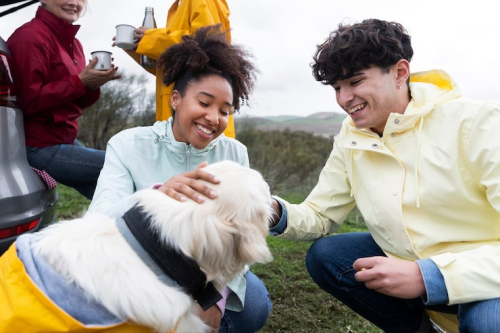
Walking the lively sidewalks of San Francisco’s Mission District or climbing the green slopes of Bernal Heights, you quickly notice the puppies that move through the city with calm curiosity rather than wide-eyed panic. Horns blare in SoMa, strangers brush past in the Castro District, and unexpected encounters unfold in Dogpatch warehouses turned parks. For many young dogs these moments spark fear, yet others handle them with ease. The difference often traces back to those vital early weeks when the right kind of guidance turns urban chaos into opportunity. Thoughtfully designed early socialization programs are changing how puppies grow up confident amid the noise, crowds, and constant motion of city life in diverse urban settings across North America and Europe.
Your dog’s daily struggles pulling, mealtime anxiety, or reactivity don’t just cause stress, they chip away at the joy of being together. At Prime Paw, our positive reinforcement-based programs meet your dog where they are and build confidence, connection, and real skills. Our tailored programs in-person classes, coaching, and online resources help you enjoy calmer walks, relaxed routines, and a deeper connection. Ready for lasting change? Schedule a Prime Paw consultation today!
The Critical Window That Shapes a Dog’s Future
Between roughly eight and sixteen weeks of age, puppies experience a remarkable period of brain development. Their minds soak up new sights, sounds, smells, and social interactions like sponges. Positive encounters during this time build lasting resilience. Missed or frightening ones can leave impressions that later appear as barking at passersby or hiding during thunderstorms. In bustling North American cities and across European capitals, where apartments stack high and streets pulse nonstop, this window becomes especially important. Without guidance the sheer density of stimuli can overwhelm a young dog. With the right support the same environment becomes a classroom for confidence and adaptability that lasts well into adulthood.
Urban Challenges Unique to City Puppies
Life in neighborhoods like Potrero Hill or Noe Valley throws a nonstop mix of challenges at puppies. Sirens wail at odd hours. Delivery bikes weave through traffic in the Castro. Crowds spill out of cafes in the Mission District. Limited yard space means most interactions happen on leashes amid strangers and other dogs. The same story unfolds in dense districts from New York to London, Toronto to Berlin. Puppies raised without preparation often develop hesitation around new people, reactivity toward other animals, or outright anxiety in everyday settings. Early socialization programs address these realities head-on by introducing controlled versions of city life in a safe, supervised environment rather than leaving puppies to figure it out alone on the sidewalk.
How Combined Training and Socialization Delivers Results
The strongest programs do not treat basic manners and social skills as separate lessons. They weave them together in a single secure location where puppies practice simple cues while other dogs play nearby and learn to greet politely amid mild distractions. This integrated approach mirrors real urban walks far more effectively than isolated sessions ever could. Experienced trainers guide the process using positive reinforcement methods, ensuring every interaction stays positive and productive. The result is a dog that not only knows commands but feels comfortable using them when it matters most on a crowded San Francisco street or during a busy European market stroll.
Personalization Makes the Difference
Every puppy arrives with its own personality, energy level, and past experiences. One from Dogpatch might bounce with excitement at every new face while another from Potrero Hill hangs back cautiously. Effective programs read these signals and adjust on the spot. Training adapts to each dog’s behavior and needs rather than following a rigid script. By keeping groups small and supervision constant, trainers create an atmosphere where learning feels natural instead of forced. This tailored attention helps puppies of all temperaments build the social confidence they will carry into adulthood.
The Power of Positive Reinforcement in Busy Lives
Rewarding good choices with treats, praise, and play works better than any scolding ever could. Puppies taught this way associate new experiences with good things, not stress. In supervised group settings they learn bite inhibition, polite greetings, and calm focus amid the very distractions they will meet daily. Owners watching the process often remark how quickly their dogs begin to look forward to class. The method respects the dog’s perspective while delivering clear results that busy urban families can maintain at home between sessions.
Addressing the Real Concerns of Today’s Puppy Owners
Cost comes up often. Quality programs represent an investment, yet the alternative of dealing with fear-based behaviors or reactivity later frequently costs more in time, frustration, and potential professional help. Many wonder whether classes will actually work for their particular puppy. When the approach is personalized and rooted in positive reinforcement methods, most dogs show noticeable progress within the first few sessions. Time presents another hurdle for working households in fast-paced cities. Short, focused classes scheduled at convenient hours fit more easily into calendars than owners initially expect, and the skills learned transfer quickly to everyday routines.
North America Leads a Growing Movement
Across the continent, interest in professional dog services continues to expand as more people view their pets as true family members deserving thoughtful guidance. The North America pet services market held the largest revenue share of 38.46% in 2024, reflecting high pet ownership and a willingness to seek premium, customized care. Similar trends appear in European cities where apartment living and busy schedules push owners toward structured support. The emphasis remains practical: happier, better-adjusted dogs that enrich urban neighborhoods rather than add tension to them.
Everyday Strategies That Complement Professional Programs
While structured classes provide the foundation, small daily habits reinforce the lessons. Short, positive outings during quieter hours in local parks build on the social skills practiced in group sessions. Observing a puppy’s body language relaxed ears, loose tail, soft eyes helps owners recognize when an experience feels right or needs adjustment. Consistency matters more than duration. A few well-timed, rewarding interactions each week can compound the benefits of formal training and create a dog that truly belongs in the city rather than merely tolerates it.
What Confident Urban Dogs Mean for Everyone
When puppies grow into adults who navigate sidewalks calmly, greet neighbors politely, and relax amid the everyday buzz of city life, entire communities benefit. Fewer incidents, less stress for owners, and more joy on daily walks add up. From the colorful streets of San Francisco’s diverse districts to the historic avenues of European capitals, early socialization programs prove that thoughtful preparation early on pays dividends for years. Dogs become better companions, owners feel more connected to their pets, and cities become friendlier places for everyone who shares the sidewalks.
The puppies trotting confidently past outdoor tables in Noe Valley or pausing politely at crosswalks in the Mission did not arrive that way by accident. They received the right start at the right time in a safe, supervised setting that combined personalized puppy training based on each dog’s behavior and needs with training plus socialization in one location and positive reinforcement methods with experienced trainers. In an era when more families choose city living with dogs by their side, programs that blend these elements stand out as essential tools. The evidence lives in the wagging tails and relaxed postures seen daily in neighborhoods from coast to coast and across the Atlantic. For today’s urban puppy owners, the message is clear: the earlier the guidance, the brighter the future on shared city streets.
Frequently Asked Questions
What is the best age to start socializing a puppy in a city environment?
The ideal window for puppy socialization is between 8 and 16 weeks of age, when a puppy’s brain is most receptive to new experiences. During this critical period, positive exposure to urban sights, sounds, and interactions builds lasting confidence and resilience. Missing this window can lead to fear-based behaviors like reactivity or anxiety in everyday city settings.
How do early socialization programs help puppies adapt to urban life?
Early socialization programs introduce puppies to controlled versions of city stimuli crowds, traffic, other dogs, and strangers in a safe, supervised setting. The best programs combine basic obedience training with social exposure simultaneously, mirroring real-world urban walks more effectively than isolated training sessions. This integrated approach, guided by experienced trainers using positive reinforcement, produces dogs that are both well-mannered and emotionally comfortable in busy environments.
Are puppy socialization classes worth the cost for city dog owners?
Yes investing in a quality puppy socialization program is generally far more cost-effective than addressing fear-based behaviors or reactivity later through extensive professional intervention. Most puppies using personalized, positive reinforcement-based programs show noticeable progress within just a few sessions. Many programs also offer short, flexible class schedules designed to fit the demanding routines of urban families.
Disclaimer: The above helpful resources content contains personal opinions and experiences. The information provided is for general knowledge and does not constitute professional advice.
You may also be interested in: Trainers Evaluate Methods for Reducing Separation Anxiety Without Medication
Your dog’s daily struggles pulling, mealtime anxiety, or reactivity don’t just cause stress, they chip away at the joy of being together. At Prime Paw, our positive reinforcement-based programs meet your dog where they are and build confidence, connection, and real skills. Our tailored programs in-person classes, coaching, and online resources help you enjoy calmer walks, relaxed routines, and a deeper connection. Ready for lasting change? Schedule a Prime Paw consultation today!
Powered by flareAI.co