
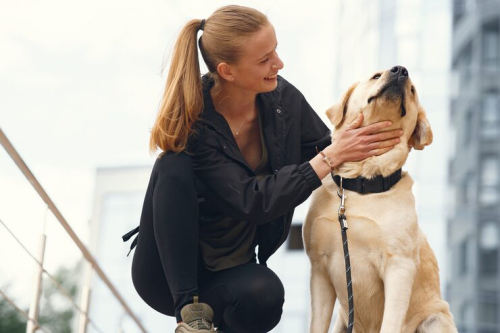
In the bustling neighborhoods of San Francisco from the vibrant streets of the Mission District to the hilly paths of Bernal Heights and the industrial charm of Dogpatch dogs have become far more than pets. They are cherished family members sharing the rhythms of urban life with their people. In this environment, where progressive values shape daily realities, the question of how we train our canine companions has moved to the forefront. What does ethical training truly look like today?
Ethical Considerations in Contemporary Canine Training Practices in San Francisco examines the growing emphasis on humane, science-based methods that put welfare first. These approaches not only feel right they produce happier dogs and more rewarding partnerships with their owners across the Bay Area and beyond.
Your dog’s daily struggles pulling, mealtime anxiety, or reactivity don’t just cause stress, they chip away at the joy of being together. At Prime Paw, our positive reinforcement-based programs meet your dog where they are and build confidence, connection, and real skills. Our tailored programs in-person classes, coaching, and online resources help you enjoy calmer walks, relaxed routines, and a deeper connection. Ready for lasting change? Schedule a Prime Paw consultation today!
The Importance of Ethics in Dog Training
San Francisco’s distinctive dog culture mirrors the city’s energetic pace. Residents in tight-knit areas like Potrero Hill, SoMa, Castro District, and Noe Valley navigate crowded sidewalks, parks, and public transit with their dogs. Effective training equips these companions to handle the noise, distractions, and social complexities of city existence with confidence.
Ethics in training matter deeply. Outdated aversive techniques that rely on fear, pain, or intimidation often erode trust and can intensify behavioral challenges. In contrast, positive reinforcement builds lasting confidence through rewards such as treats, praise, and play. This method reflects current understanding of how dogs learn and experience emotions.
Local leaders reinforce this perspective. The San Francisco SPCA champions reward-based training, employing food, toys, and affection to encourage good behavior while strengthening the human-animal bond.
Emerging Trends Shaping Training in the Bay Area
Trainers and doggy daycares throughout San Francisco are increasingly adopting positive reinforcement techniques. Facilities in the Mission District and surrounding neighborhoods prioritize building strong relationships rather than enforcing control. Many owners notice their dogs become calmer and walks more enjoyable after sessions focused on mutual understanding.
Technology plays a supportive role. Smart collars and behavior-tracking apps monitor activity levels and stress signals without discomfort. For busy professionals balancing careers and pets in urban settings, these tools offer helpful insights that enhance traditional training methods.
Professional credentials continue gaining importance. Growing numbers of trainers earn certifications such as CPDT-KA from the Certification Council for Professional Dog Trainers or credentials from the International Association of Animal Behavior Consultants. These qualifications demonstrate dedication to evidence-based, humane practices tailored to each dog’s needs.
Local Insights from San Francisco Trainers and Facilities
Trainers working in Mission District, Potrero Hill, and Dogpatch understand the unique demands of city life. Issues like reactivity to skateboards or passing dogs require patient, fear-free strategies. Positive reinforcement helps dogs develop alternative behaviors and greater resilience in stimulating environments.
Group classes and daycares provide valuable socialization in safe settings, countering the isolation that apartment living can create. Owners participate actively, transforming training into an engaging shared experience rather than a task.
Positive Reinforcement vs. Aversive Methods: The Evidence and Impact
While debate lingers in some circles, evidence strongly supports reward-based approaches. Research indicates that aversive methods can heighten stress and aggression risks, whereas positive techniques enhance obedience, reduce anxiety, and deepen bonds between dogs and people.
In everyday application, this shift means guiding dogs toward desired actions instead of constant correction. A dog that jumps on visitors learns to keep all four paws on the floor in exchange for a reward. A dog reactive on leash builds confidence through gradual, positive exposure. These strategies prove particularly valuable in San Francisco’s dense public spaces, where confrontational methods risk escalating tensions.
The SF SPCA’s approach aligns perfectly: dogs, like people, learn best when motivated positively. Recommended trainers and programs emphasize gentler tools over outdated equipment like choke chains.
Technology and Innovation in Modern Canine Training
Smart devices complement rather than replace the essential human element. Wearables can detect heart rate variations or activity patterns, helping owners spot early signs of anxiety. Customized apps then translate that data into practical training plans.
Balance remains crucial. Technology delivers the best results when paired with certified professionals who interpret findings through lenses of empathy and scientific knowledge. This combination particularly appeals in tech-forward neighborhoods like Noe Valley and Castro District.
Certification and Professional Standards in San Francisco
The rise in certified trainers reflects owner’s higher expectations for quality and ethics. Credentials provide assurance that methods rest on solid learning science and animal welfare principles. Services like those from PrimePaw and independent experts across the city show how ongoing professional development leads to measurably better results for local dogs.
This trend benefits the entire community. Owners receive dependable support, dogs face less stress, and shared public spaces become safer and more pleasant for everyone.
Practical Guidance for Dog Owners Across Regions
Selecting the right trainer begins with clear questions about their philosophy and techniques. Seek transparent commitment to positive reinforcement and verified certifications. Whenever possible, observe a session to see how dogs respond and how instructors interact.
- Begin training early with puppies in supportive group settings common in the Mission District and similar vibrant communities.
- Add daily mental enrichment through puzzle toys, scent games, and brief training exercises to prevent boredom in apartment or condo environments.
- Address emerging issues promptly with qualified help before they become entrenched habits.
- Advocate for your dog’s individual needs urban stressors vary widely, and ethical trainers respect those differences.
Community Well-Being and the Evolving Training Landscape
Ethical training reaches beyond single households. Well-adjusted dogs foster stronger neighborhood connections, minimize conflicts in parks and sidewalks, and support the broader mission of animal welfare groups. In compassionate cities like San Francisco and similar forward-thinking communities in Canada and Europe aligning training with shared values creates meaningful impact.
Professional trainers with established facilities bring years of experience to their work. They deliver diverse services ranging from basic obedience to specialized programs for therapy dogs and complex behavior modification. These offerings accommodate varied learning styles through private sessions, group classes, workshops, and flexible formats that strengthen the bond between owners and their pets, leading to more harmonious lives together.
Looking Ahead: A Humane Future for Canine Companions
San Francisco continues leading thoughtful conversations about canine training. By embracing science, empathy, and high professional standards, owners and trainers build relationships rooted in trust instead of fear. The outcome includes confident dogs who enjoy city adventures and humans who experience richer connections with their four-legged family members.
Whether exploring parks in Bernal Heights or navigating busy streets in SoMa, ethical practices provide a reliable path forward. The most successful training goes beyond changing surface behaviors it enriches daily life for both ends of the leash.
As more people welcome dogs into their homes across the United States, Canada, and Europe, commitment to humane methods helps ensure welcoming environments for all residents. The discussion evolves, yet the core principle stands firm: kindness delivers results, and our dogs deserve the very best.
Frequently Asked Questions
What is positive reinforcement dog training and why is it considered more ethical than traditional methods?
Positive reinforcement training rewards desired behaviors using treats, praise, or play, rather than relying on fear, pain, or intimidation to correct unwanted ones. Research shows that aversive methods can increase stress and aggression in dogs, while reward-based approaches improve obedience, reduce anxiety, and strengthen the bond between dogs and their owners. Organizations like the San Francisco SPCA champion this humane, science-backed approach as the gold standard for ethical canine training.
How do I choose a qualified, ethical dog trainer in San Francisco?
Start by asking potential trainers directly about their philosophy and techniques, and look for a transparent commitment to positive reinforcement methods. Seek out verified professional credentials such as the CPDT-KA from the Certification Council for Professional Dog Trainers or certifications from the International Association of Animal Behavior Consultants. Whenever possible, observe a session firsthand to see how the trainer interacts with dogs and how the animals respond.
Can technology like smart collars and training apps replace working with a professional dog trainer?
Smart collars and behavior-tracking apps can be valuable tools for monitoring signs of anxiety, activity levels, and stress signals in your dog, but they work best as a complement to professional guidance rather than a replacement. Certified trainers bring empathy and scientific expertise to interpreting the data these devices provide, translating insights into effective, personalized training plans. For urban dog owners navigating the unique challenges of city life, the combination of technology and qualified human support delivers the best outcomes.
Disclaimer: The above helpful resources content contains personal opinions and experiences. The information provided is for general knowledge and does not constitute professional advice.
You may also be interested in: How Force-Free Dog Training Methods Are Winning Hearts
Your dog’s daily struggles pulling, mealtime anxiety, or reactivity don’t just cause stress, they chip away at the joy of being together. At Prime Paw, our positive reinforcement-based programs meet your dog where they are and build confidence, connection, and real skills. Our tailored programs in-person classes, coaching, and online resources help you enjoy calmer walks, relaxed routines, and a deeper connection. Ready for lasting change? Schedule a Prime Paw consultation today!
Powered by flareAI.co