
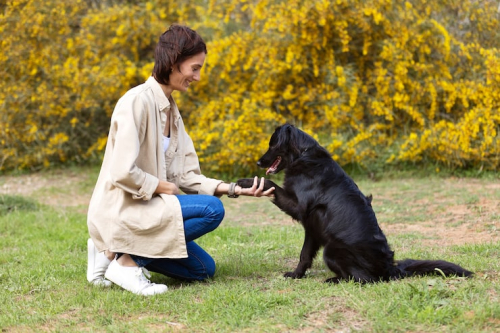
Walking through the vibrant streets of San Francisco from the iconic murals in the Mission District to the bustling piers of Dogpatch you’re likely to notice confident, well-behaved puppies walking alongside their owners. Behind each wagging tail lies a training philosophy that is quietly reshaping dog ownership in the city. Enter force-free puppy training, a science-backed method rooted in patience, positivity, and practical canine psychology that is transforming how puppies learn and thrive in urban environments.
Your dog’s daily struggles pulling, mealtime anxiety, or reactivity don’t just cause stress, they chip away at the joy of being together. At Prime Paw, our positive reinforcement-based programs meet your dog where they are and build confidence, connection, and real skills. Our tailored programs in-person classes, coaching, and online resources help you enjoy calmer walks, relaxed routines, and a deeper connection. Ready for lasting change? Schedule a Prime Paw consultation today!
What Is Force-Free Puppy Training?
Force-free training emphasizes rewarding desired behaviors rather than punishing mistakes. Imagine a puppy learning to sit not out of fear, but because a gentle cue paired with a treat reinforces the correct response. This approach is particularly effective in neighborhoods like SoMa, Bernal Heights, and Noe Valley, where distractions from traffic to crowds are constant.
The San Francisco SPCA highlights that positive reinforcement methods build trust between pet and owner, reduce stress, and create a foundation for lifelong learning. In dense urban environments, this kind of socialization helps puppies navigate busy sidewalks, public transport, and city parks with confidence.
The Rise of Reward-Based Programs
San Francisco has experienced a surge in puppy preschools and dog kindergartens that center on positive reinforcement. Programs in Mission District, Dogpatch, and Bernal Heights focus on early socialization, teaching puppies to cope with urban stimuli while developing confidence and self-control.
Local trainers, such as PrimePaw, offer structured classes where every interaction is an opportunity to learn. Similarly, Dog Club SF provides community-based sessions, demonstrating that consistent, reward-driven training produces far more reliable results than traditional punishment methods.
Local Case Studies and Training Success
Neighborhood Training Centers
In Bernal Heights, Beast Mode Dog Training Center has become a model for urban puppy education. Their programs simulate real-world scenarios crossing busy streets, responding to distractions, and interacting with other dogs through positive reinforcement. The result: calmer, more confident puppies and owners who feel supported and empowered in their training efforts.
Shelter Integration Programs
Force-free methods also enhance adoption success. The SFSPCA uses reward-based techniques to help shelter dogs develop social skills and reduce stress. Likewise, San Francisco Animal Care & Control applies these methods to prepare dogs for life in a busy city, creating calmer, more adaptable pets ready for placement in loving homes.
Why Urban Dogs Thrive with Positive Reinforcement
Puppies in cities face unique challenges: crowded sidewalks, busy intersections, and frequent interactions with strangers. Positive reinforcement training equips them to handle these environments safely. Early socialization teaches puppies coping skills while preventing common behavioral problems such as anxiety and aggression. In urban neighborhoods like SoMa and Dogpatch, these skills are critical to ensuring that dogs live happy, confident lives alongside their human companions.
Addressing Misconceptions About Force-Free Training
Some owners worry that force-free training means permissiveness letting dogs “do whatever they want.” In fact, the method requires structure, consistency, and clear boundaries. Discussions on Reddit illustrate common confusion, but also highlight growing interest in humane, science-backed techniques.
Even in well-served neighborhoods like Mission District and Dogpatch, finding certified trainers who adhere strictly to positive reinforcement can be challenging. Pet owners are encouraged to verify credentials and seek community-recommended professionals.
Growth of the Dog Training Industry
The demand for professional dog training continues to rise. According to Proficient Market Insights, the global dog training services market is valued in the tens of billions, reflecting increased urbanization, changing lifestyles, and recognition of the value of therapy and support dogs. This growth has spurred a range of training options in San Francisco, from private sessions to group classes, workshops, online courses, and board-and-train programs. The emphasis is on improving dog behavior while strengthening the human-animal bond.
Benefits Beyond Basic Obedience
- Improved Socialization: Puppies learn to interact positively with other dogs and humans.
- Urban Adaptability: Dogs gain confidence navigating busy streets, parks, and public spaces.
- Stronger Owner-Dog Relationship: Positive reinforcement fosters trust, communication, and cooperation.
- Higher Adoption Rates: Shelter dogs trained with reward-based methods are more likely to find permanent homes.
Looking Ahead for San Francisco Puppies
As more residents embrace force-free methods, San Francisco’s dog-owning culture continues to evolve. Programs from PrimePaw, SFSPCA, and local trainers make positive reinforcement accessible to a wider audience, raising the bar for pet welfare in urban settings. Puppies trained with kindness and structured guidance become confident, adaptable, and well-behaved companions, while owners enjoy reduced stress and stronger, more rewarding relationships.
Force-free puppy training is reshaping urban life for dogs and their owners. From Mission District to Noe Valley, the approach demonstrates that consistency, patience, and positive reinforcement do more than teach commands they cultivate trust, resilience, and lifelong bonds. For San Francisco residents navigating city life with a new puppy, embracing force-free methods is the most effective, humane, and rewarding path to raising a happy, confident companion.
Frequently Asked Questions
What is force-free puppy training and how does it work?
Force-free puppy training is a science-backed method that focuses on rewarding desired behaviors rather than punishing mistakes. Using positive reinforcement like treats, praise, and gentle cues puppies learn to associate good behavior with positive outcomes. This approach builds trust between pet and owner, reduces stress, and creates a foundation for lifelong learning. It’s especially effective in busy urban environments where puppies must navigate crowds, traffic, and frequent social interactions.
Is force-free training effective, or does it just let dogs do whatever they want?
A common misconception is that force-free training means being permissive, but the method actually requires clear structure, consistency, and firm boundaries. Rather than using fear or punishment, trainers set expectations and reinforce correct behavior through rewards, producing more reliable and lasting results. Studies and trainers including those at the San Francisco SPCA confirm that positive reinforcement methods are more effective than traditional punishment-based techniques. The result is a confident, well-behaved dog who listens out of trust, not fear.
What are the benefits of positive reinforcement puppy training for city dogs?
Urban puppies face unique challenges like crowded sidewalks, loud traffic, and constant interactions with strangers all of which can trigger anxiety or aggression without proper training. Positive reinforcement equips puppies with the coping skills and confidence needed to thrive in these environments. Beyond basic obedience, the method improves socialization, strengthens the owner-dog bond, and even increases adoption rates for shelter dogs. Programs across San Francisco from PrimePaw to the SFSPCA have demonstrated that reward-based training produces calmer, more adaptable city companions.
Disclaimer: The above helpful resources content contains personal opinions and experiences. The information provided is for general knowledge and does not constitute professional advice.
You may also be interested in: PrimePaw Homepage – Prime Paw
Your dog’s daily struggles pulling, mealtime anxiety, or reactivity don’t just cause stress, they chip away at the joy of being together. At Prime Paw, our positive reinforcement-based programs meet your dog where they are and build confidence, connection, and real skills. Our tailored programs in-person classes, coaching, and online resources help you enjoy calmer walks, relaxed routines, and a deeper connection. Ready for lasting change? Schedule a Prime Paw consultation today!
Powered by flareAI.co