
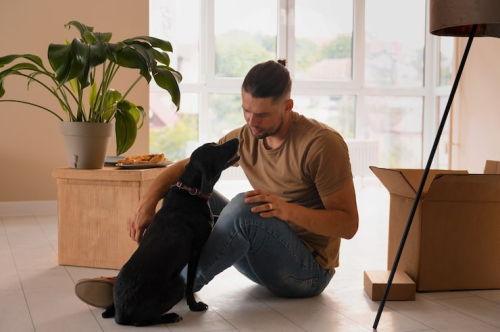
Every morning in the bustling streets of San Francisco, from the colorful sidewalks of the Mission District to the hilly paths of Bernal Heights, dog owners confront a familiar heartache. Their loyal companions, left alone for even a brief errand, descend into frantic barking, destructive chewing, or anxious pacing that echoes through apartment walls. Separation anxiety is more than a passing phase it is a deep emotional struggle that tests the limits of the relationship between humans and their dogs. Yet many owners are discovering real relief through gradual positive techniques that offer solutions for separation anxiety in domestic dogs, methods rooted in patience, trust, and science-backed care rather than outdated force or punishment.
Your dog’s daily struggles pulling, mealtime anxiety, or reactivity don’t just cause stress, they chip away at the joy of being together. At Prime Paw, our positive reinforcement-based programs meet your dog where they are and build confidence, connection, and real skills. Our tailored programs in-person classes, coaching, and online resources help you enjoy calmer walks, relaxed routines, and a deeper connection. Ready for lasting change? Schedule a Prime Paw consultation today!
Recognizing the Signs of Separation Anxiety
Separation anxiety shows up in unmistakable ways. Dogs may howl or bark nonstop the instant the door closes. Others turn to frantic chewing on furniture, shoes, or even walls near exits. Some pace restlessly, drool excessively, or have accidents indoors despite being house-trained. In more intense cases, dogs attempt desperate escapes, scratching doors or windows until they injure themselves. These behaviors arise from genuine panic, not spite or boredom. In urban settings like San Francisco’s Potrero Hill or SoMa, where apartments are compact and schedules are demanding, the issue can feel especially overwhelming for both pet and owner.
Owners often notice the pattern first through video recordings or neighbor complaints. The distress begins even before departure, triggered by cues like grabbing keys or putting on shoes. Understanding that the dog is experiencing real fear is crucial. It shifts the focus from punishment to compassionate support, opening the door to effective, lasting change. Recognizing these early signals allows owners to intervene thoughtfully before the anxiety becomes deeply ingrained.
Why Traditional Training Methods Often Fall Short
Many well-meaning owners once turned to dominance-based approaches or punishment to curb unwanted behavior. These tactics yelling, physical corrections, or aversive tools might suppress symptoms temporarily but frequently intensify the underlying anxiety. Fear-based methods erode trust and can make the dog more fearful of being left alone. In contrast, positive reinforcement builds confidence by rewarding calm behavior and creating positive associations with solitude.
This shift matters because dogs learn best when they feel safe and motivated. Science shows that joyful, reward-driven learning strengthens neural pathways for calm rather than panic. For busy professionals juggling work in the Castro District or Noe Valley, forcing compliance simply does not deliver the peaceful home life they seek. Positive methods respect the dog’s emotional state and produce results that last far beyond temporary compliance.
The Power of Gradual Desensitization
Gradual desensitization breaks the problem into tiny, manageable steps. Instead of leaping to full-day absences, owners begin with departures lasting mere seconds. Step outside, close the door, then return before any anxiety appears. Over days and weeks, the time away lengthens slowly first to a minute, then five, then fifteen as the dog learns that departures always end with a calm reunion.
Success depends on careful observation. Watch for subtle signs of stress such as panting, whining, or stiff posture. If those appear, shorten the next session and build more gradually. Consistency turns short practice periods into reliable progress. Many owners report that this methodical pacing transforms what once felt impossible into a natural routine. The process teaches the dog that solitude is temporary and safe, rebuilding their sense of security one small success at a time.
Practical Tips for Starting Desensitization at Home
- Practice “fake” departures: put on shoes and grab keys without actually leaving, then reward calm behavior.
- Keep early sessions extremely brief under thirty seconds at first.
- Always return while the dog is still relaxed to avoid reinforcing anxiety.
- Combine with a special treat or toy given only during practice.
Counterconditioning: Creating Positive Associations
Counterconditioning works hand in hand with desensitization by changing how the dog feels about being alone. Owners pair brief departures with something wonderful a long-lasting puzzle toy stuffed with favorite treats or a frozen meal that takes time to enjoy. Over time, the dog begins to anticipate good things when the owner leaves rather than dreading the separation.
The technique requires patience but delivers profound results. A dog that once trembled at the sound of the door lock now settles happily with its special enrichment item. This emotional rewiring addresses the root cause instead of merely masking symptoms, leading to calmer behavior even during longer absences. When practiced thoughtfully, counterconditioning turns alone time into an opportunity for calm enjoyment rather than a source of fear.
Personalized Training and Safe Socialization Make the Difference
While home exercises lay a strong foundation, many dogs benefit from expert guidance tailored to their individual personality. PrimePaw, a San Francisco–based dog training and enrichment company, specializes in positive reinforcement (R+)–based canine education and care. They focus on building strong, happy relationships between dogs and their owners through science-backed training methods that emphasize trust, confidence, and joyful learning rather than force.
What sets their approach apart is the combination of personalized puppy training based on each dog’s behavior and needs with training plus socialization in one safe, supervised location. Experienced trainers create customized plans that address separation anxiety while fostering overall confidence. Dog owners in neighborhoods across the city from Dogpatch to the Castro District appreciate having everything in one convenient, secure setting that respects both the dog’s pace and the owner’s schedule. This integrated support accelerates progress and helps dogs generalize calm behavior across different situations.
Addressing Common Owner Concerns
Many hesitate before seeking help, citing concerns about training cost, uncertainty whether the methods will work for their puppy, or lack of time to attend classes consistently. These worries are understandable in a fast-paced city like San Francisco. Yet thoughtful investment in positive techniques often prevents far greater expenses from property damage or stress-related veterinary visits.
Results come from proven, science-backed strategies applied with consistency rather than perfection. Flexible program formats mean owners do not need to rearrange their entire week. Short, focused sessions combined with simple home strategies fit even demanding lifestyles in areas like Potrero Hill or Noe Valley. Once owners see early progress, skepticism fades and the entire household relaxes. Addressing these objections directly helps more families take the first step toward lasting relief.
The Growing Interest in Professional Dog Training Support
Across the country and around the world, more dog owners are turning to professional services for behavioral challenges. Market insights show that the global dog training services market was valued at USD 33.27 billion in 2024, reflecting the widespread desire for effective, humane solutions to issues like separation anxiety.
This trend speaks to a deeper cultural shift: people view their dogs as true family members and want approaches that honor emotional well-being. In San Francisco’s vibrant dog community, that commitment translates into practical steps that improve daily life for everyone involved. Professional support provides structured guidance that complements home efforts and delivers faster, more reliable outcomes.
Building a Stronger Bond for the Long Term
The journey with gradual positive techniques requires patience, but the payoff is transformative. Dogs gain the confidence to handle time alone without distress. Owners return home to wagging tails instead of chaos. The relationship deepens through shared trust and understanding rather than conflict.
Whether starting with simple daily practices or partnering with local experts who specialize in positive reinforcement, the path forward is clear. In neighborhoods throughout San Francisco and beyond, these methods are helping dogs and owners enjoy more peaceful, joyful lives together. The key is steady, compassionate progress one calm moment at a time. Over weeks and months, this consistent approach creates a foundation of security that benefits the entire household long into the future.
Frequently Asked Questions
What are the signs of separation anxiety in dogs?
Common signs include nonstop barking or howling when left alone, destructive chewing on furniture or walls near exits, indoor accidents despite house-training, and frantic pacing or excessive drooling. In severe cases, dogs may attempt to escape by scratching doors or windows, sometimes injuring themselves. Notably, the distress often begins *before* departure triggered by cues like picking up keys or putting on shoes.
How does gradual desensitization help treat dog separation anxiety?
Gradual desensitization works by breaking the training process into small, manageable steps starting with departures of just a few seconds and slowly increasing the duration over days and weeks. This teaches the dog that being alone is temporary and safe, rebuilding their sense of security one small success at a time. The key is always returning while the dog is still calm, and watching for early stress signals like panting or stiff posture so sessions can be adjusted as needed.
Is professional dog training worth it for separation anxiety?
Yes professional positive reinforcement (R+) training offers personalized plans tailored to each dog’s individual behavior and needs, which can significantly accelerate progress compared to home exercises alone. While cost and time are common concerns, the investment often prevents far greater expenses from property damage or veterinary visits caused by stress-related issues. Many trainers also offer flexible program formats that fit demanding schedules, making expert support accessible even for busy dog owners.
Disclaimer: The above helpful resources content contains personal opinions and experiences. The information provided is for general knowledge and does not constitute professional advice.
You may also be interested in: Trainers Discuss Best Practices for Introducing Dogs to Children and New Family Members
Your dog’s daily struggles pulling, mealtime anxiety, or reactivity don’t just cause stress, they chip away at the joy of being together. At Prime Paw, our positive reinforcement-based programs meet your dog where they are and build confidence, connection, and real skills. Our tailored programs in-person classes, coaching, and online resources help you enjoy calmer walks, relaxed routines, and a deeper connection. Ready for lasting change? Schedule a Prime Paw consultation today!
Powered by flareAI.co