
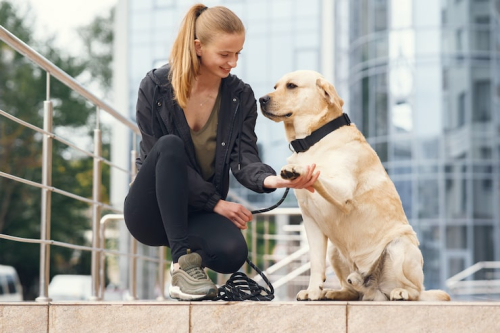
In the heart of a bustling city, where professionals juggle demanding careers and compact living spaces, the relationship with a dog often becomes a vital source of companionship and calm. This bond thrives not through chance but through deliberate, positive interactions that build trust and mutual understanding. Dog training, grounded in respect and consistency, serves as one of the most reliable paths to deepening that connection, turning routine moments into opportunities for closeness and shared success.
Your dog’s daily struggles pulling, mealtime anxiety, or reactivity don’t just cause stress, they chip away at the joy of being together. At Prime Paw, our positive reinforcement-based programs meet your dog where they are and build confidence, connection, and real skills. Our tailored programs in-person classes, coaching, and online resources help you enjoy calmer walks, relaxed routines, and a deeper connection. Ready for lasting change? Schedule a Prime Paw consultation today!
The Science of Emotional Connection
Dogs are remarkably attuned to human emotions and behaviors, frequently mirroring the energy and cues they receive. When interactions remain consistent and supportive, this natural sensitivity evolves into a profound partnership. Certain activities trigger the release of oxytocin in both the dog and the owner, the same hormone linked to bonding in human relationships. This response fosters genuine attachment while lowering stress for everyone involved, creating a sense of closeness that feels as rewarding as any family tie.
Engaging in structured activities like training sessions with your dog creates opportunities for mutual understanding and positive interactions that go beyond basic companionship. Dogs are highly attuned to human emotions and behaviors, often mirroring our energy and responding to consistent cues, which builds a foundation of trust and cooperation. Positive reinforcement during training not only teaches desirable behaviors but also releases oxytocin in both the dog and the owner, fostering feelings of attachment and reducing stress for everyone involved. This chemical response mirrors the bonding process seen in human relationships, making training a powerful tool for emotional closeness. For busy urban professionals or families in areas like San Francisco, incorporating short, rewarding training exercises into daily routines can transform everyday moments into meaningful bonding experiences.
As dogs learn to look to their guardians for guidance and rewards, they develop greater confidence and a willingness to engage, leading to smoother walks, fewer behavioral issues, and a more harmonious household. Training also provides mental stimulation that keeps dogs engaged and prevents boredom-related problems, while giving owners a sense of accomplishment and deeper insight into their pet’s personality and needs. Over time, these shared successes strengthen the overall relationship, making the dog more responsive in real-world situations and enhancing the joy of companionship. The result is a resilient bond that supports better behavior, increased safety, and long-term well-being for both the dog and the human family members.
For busy urban professionals or families in areas like San Francisco, finding time for meaningful connection can feel difficult amid packed schedules. Yet structured approaches transform everyday pressures into moments of genuine closeness. The outcome is a resilient relationship that supports smoother daily life and lasting emotional health for both companions.
Why Positive Reinforcement Builds Lasting Trust
Positive reinforcement training stands out as one of the most effective ways to build trust and a strong emotional connection with your dog by creating a common language based on rewards and clear expectations. Rather than relying on punishment, which can erode confidence and increase anxiety, rewarding desired behaviors with treats, praise, or play encourages dogs to actively participate and seek interaction with their guardians. This approach boosts the dog’s self-assurance while helping owners understand their pet’s signals and preferences more deeply. Incorporating training into routines like walks, grooming, or playtime turns everyday activities into opportunities for bonding, reducing stress and promoting a sense of security. Dogs trained this way are more likely to view their humans as reliable sources of good things, leading to better responsiveness and fewer conflicts. For new puppy owners or those addressing specific challenges, starting with basic cues builds momentum and shared success, which reinforces the attachment over time. The process also supports mental and physical health benefits for both parties, including lower stress levels and increased opportunities for joyful engagement. By prioritizing positive methods, guardians foster an environment where learning feels safe and fun, resulting in a more harmonious relationship that lasts throughout the dog’s life and makes daily interactions more rewarding.
Positive reinforcement stands out as one of the most effective approaches to creating trust and a strong emotional connection. It establishes a common language based on rewards and clear expectations rather than punishment, which can undermine confidence and heighten anxiety. By offering treats, praise, or play for desired behaviors, owners encourage their dogs to participate actively and seek interaction willingly.
This method boosts the dog’s self-assurance while helping guardians better understand their pet’s signals and preferences. Over time, dogs come to view their humans as reliable sources of good things, leading to improved responsiveness and fewer conflicts in daily situations. For anyone starting with a new puppy or addressing specific challenges, beginning with basic cues builds early momentum and shared accomplishments that reinforce the attachment.
The process also delivers mental and physical health benefits for both parties, including reduced stress levels and more opportunities for joyful engagement. Learning feels safe and enjoyable, resulting in a harmonious relationship that endures throughout the dog’s life and makes ordinary interactions far more rewarding.
Turning Everyday Routines Into Bonding Moments
Training does not require long, separate sessions to be effective. Instead, it integrates naturally into existing activities such as walks, grooming sessions, or playtime. These familiar parts of the day become chances to practice communication, reinforce good habits, and strengthen the emotional tie without adding extra demands to already full calendars.
In city environments, where walks often involve navigating busy sidewalks and varied stimuli, these integrated moments prove especially valuable. Short, focused exercises during a neighborhood stroll can improve focus, reduce reactivity, and create positive associations with the outside world. Grooming time similarly shifts from a chore into an opportunity for calm, trusting touch that deepens security.
Play, when guided with clear cues and rewards, channels energy constructively while building anticipation and cooperation. Dogs that experience these consistent, positive exchanges develop greater willingness to engage and look to their guardians for guidance, making urban life smoother for everyone.
Mental Stimulation That Prevents Common City Challenges
Urban dogs frequently face limited space and irregular schedules, which can lead to boredom and related behavioral issues. Training provides essential mental stimulation that keeps dogs engaged and mentally sharp. This stimulation helps prevent problems that arise when intelligent animals lack constructive outlets for their energy and curiosity.
Beyond behavior management, the mental work of learning new skills builds confidence. A dog that masters simple tasks gains a sense of accomplishment, which carries over into greater poise during walks, greetings with strangers, or encounters with other dogs. Owners notice the difference in how readily their companions settle at home or travel through crowded areas.
The shared effort also gives guardians valuable insight into their dog’s personality, learning style, and motivations. This understanding makes future interactions more intuitive and enjoyable, reducing frustration on both sides.
How Training Supports Well-being for Owners Too
The benefits of thoughtful training extend equally to the human side of the partnership. Owners who invest time in positive methods often report a stronger sense of accomplishment and deeper connection with their dogs. The process of observing progress and celebrating small wins creates its own satisfaction, turning what might feel like an obligation into a source of personal fulfillment.
Reduced behavioral challenges translate directly into lower household stress. Walks become more pleasant, greetings at the door grow calmer, and the overall atmosphere at home improves. These practical improvements free mental energy for other parts of life while reinforcing the emotional rewards of companionship.
Over months and years, the accumulated effect of consistent, positive training creates a relationship marked by mutual responsiveness, safety, and genuine enjoyment. Dogs become more reliable partners in daily routines, while owners gain confidence in their ability to guide and care for their animals effectively.
Getting Started with Simple, Effective Steps
Beginning the process does not demand expert knowledge or expensive equipment. Starting with basic cues in short, positive sessions builds momentum quickly. Keep interactions brief, especially at first, and always end on a successful note so both dog and owner finish feeling good about the experience.
Focus on consistency across the household so the dog receives clear, unified messages. Incorporate training into moments that already exist in the daily rhythm rather than trying to carve out entirely new blocks of time. Many owners find that five to ten minutes during a morning walk or evening wind-down produces noticeable results within weeks.
Pay close attention to what motivates the individual dog. Some respond best to food rewards, others to praise or a favorite toy. Adjusting the approach to match the dog’s preferences accelerates learning and makes the sessions something both look forward to rather than endure.
Ultimately, the strongest human-dog bonds grow from repeated experiences of trust, clear communication, and shared success. By approaching training as a collaborative practice rather than a list of commands to enforce, owners in any urban setting can create a relationship that brings comfort, joy, and companionship for years to come. The investment of time and attention returns itself many times over in calmer days, deeper connection, and the simple pleasure of a well-understood friend by your side.
Frequently Asked Questions
How does dog training strengthen the bond between humans and dogs?
Dog training strengthens the human-dog bond by creating consistent communication and mutual understanding through positive interactions. When owners reinforce desired behaviors, dogs learn to trust their guidance and view them as reliable sources of rewards and safety. Over time, these shared experiences build emotional closeness, reduce stress, and improve cooperation in everyday situations. This leads to a stronger, more responsive relationship between dog and owner.
What is positive reinforcement dog training and why is it effective for building trust?
Positive reinforcement dog training is a method that rewards desired behaviors with treats, praise, or play instead of using punishment. This approach helps dogs feel confident, reduces anxiety, and encourages them to actively engage with their owners. It also creates a clear communication system that makes learning enjoyable and stress-free. As a result, dogs are more likely to repeat good behaviors and develop lasting trust with their guardians.
Can everyday routines like walks and grooming be used for dog training and bonding?
Yes, everyday routines such as walks, grooming, and playtime are highly effective opportunities for dog training and bonding. These moments allow owners to reinforce good behavior in natural, low-pressure environments without needing separate training sessions. Short, consistent interactions during daily activities help improve focus, reduce behavioral issues, and strengthen emotional connection. This makes training more practical and sustainable in busy urban lifestyles.
Disclaimer: The above helpful resources content contains personal opinions and experiences. The information provided is for general knowledge and does not constitute professional advice.
You may also be interested in: How Reward-based Methods Support Canine Confidence and Learning
Your dog’s daily struggles pulling, mealtime anxiety, or reactivity don’t just cause stress, they chip away at the joy of being together. At Prime Paw, our positive reinforcement-based programs meet your dog where they are and build confidence, connection, and real skills. Our tailored programs in-person classes, coaching, and online resources help you enjoy calmer walks, relaxed routines, and a deeper connection. Ready for lasting change? Schedule a Prime Paw consultation today!
Powered by flareAI.co