
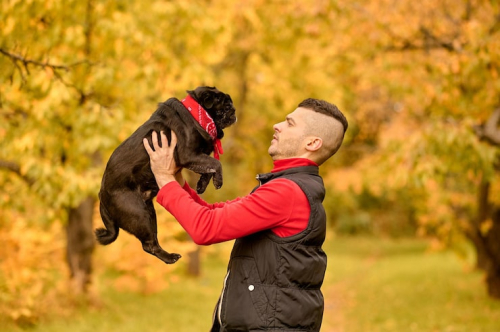
In the vibrant streets of San Francisco, from the colorful murals of the Mission District to the rolling hills of Potrero Hill, a quiet transformation is taking place in how residents raise their puppies. Traditional training approaches that relied on physical corrections and stern commands are steadily losing favor. In their place, force-free dog training methods centered on understanding, rewards, and mutual respect are steadily winning hearts by fostering genuine connection rather than control.
Stroll through Dogpatch or Bernal Heights early on a weekend, and the evidence is easy to spot. Puppies eagerly offer sits not out of fear of reprimand, but because a well-timed treat and warm praise make the behavior rewarding. This shift represents more than a passing fad. It signals a broader evolution in our relationship with dogs, viewing them as sensitive family members worthy of compassionate guidance instead of dominance.
Your dog’s daily struggles pulling, mealtime anxiety, or reactivity don’t just cause stress, they chip away at the joy of being together. At Prime Paw, our positive reinforcement-based programs meet your dog where they are and build confidence, connection, and real skills. Our tailored programs in-person classes, coaching, and online resources help you enjoy calmer walks, relaxed routines, and a deeper connection. Ready for lasting change? Schedule a Prime Paw consultation today!
What Force-Free Training Actually Involves
Force-free training, also known as positive reinforcement or reward-based training, emphasizes encouraging desired behaviors while avoiding punishment, intimidation, or aversive tools. Trainers rely on treats, verbal praise, play, toys, and precise timing to communicate clearly with dogs. Shock collars, prong collars, leash jerks, and raised voices have no place here. The core principle is building trust so that dogs willingly cooperate because they feel safe and motivated, not because they dread consequences.
This methodology rests on solid behavioral science. Dogs learn most effectively when they link training sessions with positive outcomes. Such experiences lower stress levels, enhance confidence, and produce enthusiastic learners who remember and apply skills reliably over time. By contrast, methods that incorporate fear or discomfort may suppress actions in the moment but frequently create secondary issues such as heightened anxiety, avoidance, or damaged trust.
Why Force-Free Approaches Are Thriving in San Francisco Neighborhoods
Urban living in areas like the Castro District, Noe Valley, and SoMa presents unique challenges. Limited space, busy sidewalks, and active lifestyles demand that puppies master polite greetings, relaxed leash walking, and calm navigation of city energy. Force-free training aligns perfectly with these realities by integrating socialization directly with skill-building, often within the same safe and supervised environment.
Dog owners in these communities particularly value programs that customize training to match each puppy’s individual temperament and learning style. A reserved pup from Bernal Heights may flourish with gentle confidence-building exercises, whereas a bouncy youngster from Potrero Hill might channel its energy through structured play that prevents overstimulation. Skilled trainers provide patient direction, converting what could become frustrating encounters into enjoyable opportunities for bonding.
The Scientific Foundation Supporting the Change
Multiple studies demonstrate that reward-based techniques deliver consistent, lasting results without the negative side effects associated with aversive methods. Dogs trained this way typically display greater attentiveness, reduced fearfulness, and a stronger willingness to offer behaviors proactively. Training evolves into a collaborative, positive experience that deepens the human-canine bond rather than straining it.
A key advantage lies in addressing unwanted behaviors sustainably. Instead of merely interrupting jumping or pulling, force-free trainers teach replacement actions such as sitting calmly for attention or maintaining a loose leash that fulfill the same underlying need. This approach fosters genuine, enduring change grounded in comprehension and cooperation.
The expanding interest in professional training services underscores these advantages. Training strengthens confidence, forges tighter bonds between pets and their people, diminishes problem behaviors, and promotes better sociability and safety qualities that resonate strongly with families who consider their dogs beloved companions.
Overcoming Typical Hesitations
First-time puppy parents across San Francisco often express concern about the expense of quality training. While legitimate, the long-term returns frequently include fewer stress-related veterinary visits, reduced household damage, and the freedom to enjoy public outings without constant worry.
Some question whether gentler methods will prove effective with determined or high-drive puppies. Success hinges on consistent application and expert guidance. Force-free training goes beyond simple rewards; it involves clear communication and strategic setup for success. When properly supported, even stubborn behaviors improve as underlying causes like uncertainty or excess energy receive thoughtful attention.
Busy schedules represent another common barrier, particularly for professionals in these dynamic neighborhoods. Fortunately, many contemporary offerings streamline the process by blending training and socialization into efficient group classes or concise private sessions. The time invested quickly transforms into meaningful interaction that reinforces the relationship and averts future difficulties.
Personalized Programs Designed for Urban Realities
Effective force-free training stands out through its commitment to tailoring experiences to the specific dog. Rather than applying rigid templates, experienced instructors carefully assess behavior patterns and adjust techniques accordingly. This individualized method enables puppies to succeed in the distinctive contexts of San Francisco living, whether maneuvering crowded Mission District sidewalks or relaxing during safer off-leash moments.
Integrating skill development with socialization in one secure setting delivers particular value. Puppies acquire not only basic commands but also appropriate social skills with other dogs and humans. The upbeat atmosphere sustained by positive reinforcement helps even cautious dogs build assurance without feeling overwhelmed.
Observable Benefits for Dogs and Their Families
Those who adopt force-free methods frequently notice immediate shifts in their puppy’s demeanor. Tails wag more freely during sessions. Eye contact turns eager instead of guarded. Previously tense walks become relaxed, pleasurable excursions. The dog participates actively and happily rather than complying mechanically.
These changes extend to the human side as well. Training ceases to feel like an obligation and instead becomes a source of shared satisfaction. Owners describe feeling less anxious, more capable in daily management, and more appreciative of ordinary moments together. In a city where dogs form an integral part of everyday routines, this enhanced connection proves invaluable.
Challenging Persistent Misconceptions
Outdated notions persist that only forceful techniques produce reliably obedient dogs or that positive methods lack sufficient structure. Real-world application and supporting evidence paint a clearer picture. Force-free strategies generate confident, dependable companions by aligning with a dog’s innate motivations instead of working against them. They honor the animal’s emotional state while achieving practical, everyday skills.
The increasing endorsement of these practices by veterinarians, behavior specialists, and ordinary owners highlights their versatility across different breeds, ages, and personalities. From compact apartment residents in SoMa to more energetic dogs exploring the hills, force-free training supplies adaptable tools that deliver enduring success.
Selecting the Best Approach for Your Puppy
For residents of San Francisco and the wider California region ready to begin, prioritizing programs rooted in positive reinforcement represents a sound choice. Seek out seasoned trainers who highlight customization, merge training with secure socialization opportunities, and place equal importance on emotional welfare and practical obedience.
The outcome extends far beyond a dog that follows cues on command. It cultivates a partnership grounded in mutual respect, where both owner and puppy anticipate their time together with enthusiasm.
The Significance of This Evolution Today
With more households welcoming puppies each year, the training methods we choose influence not only surface-level behavior but also overall well-being. Force-free techniques respect dogs as sentient individuals while preparing them to thrive amid the complexities of modern life. They convert potential conflicts into chances for deeper understanding and joy.
Throughout neighborhoods stretching from the Castro District to Bernal Heights and beyond, this kinder approach is gaining steady momentum. Puppies are absorbing lessons, tails are wagging with genuine pleasure, and connections between people and their dogs are strengthening through consistent, positive interactions.
The path ahead for dog training appears more compassionate, more scientifically sound, and ultimately more successful. And right now, the adaptable, community-minded dogs of San Francisco are helping show the way.
Frequently Asked Questions
What is force-free dog training and how does it work?
Force-free dog training, also known as positive reinforcement or reward-based training, encourages desired behaviors using treats, verbal praise, play, and toys without punishment, intimidation, or aversive tools like shock or prong collars. It’s grounded in behavioral science: dogs learn most effectively when they associate training with positive outcomes, which lowers stress, builds confidence, and creates enthusiastic, reliable learners. The focus is on building trust so dogs cooperate willingly, not out of fear.
Is force-free training effective for stubborn or high-energy puppies?
Yes force-free training can be highly effective for even determined or high-drive puppies when applied consistently with expert guidance. Rather than simply suppressing unwanted behaviors, trainers teach replacement actions that address the root cause, such as redirecting excess energy through structured play or building confidence in anxious dogs. Success depends on clear communication, strategic setup, and a program tailored to your puppy’s individual temperament and learning style.
What are the long-term benefits of positive reinforcement dog training?
Dogs trained with positive reinforcement typically show greater attentiveness, reduced fearfulness, and a stronger bond with their owners compared to those trained with aversive methods. For owners, the benefits include fewer stress-related vet visits, less household damage, and more enjoyable daily outings. Over time, training shifts from feeling like a chore to a source of shared satisfaction deepening the human-canine relationship in meaningful, lasting ways.
Disclaimer: The above helpful resources content contains personal opinions and experiences. The information provided is for general knowledge and does not constitute professional advice.
You may also be interested in: Behavioral Experts Advise on Helping Dogs Cope With Fireworks and Thunderstorms
Your dog’s daily struggles pulling, mealtime anxiety, or reactivity don’t just cause stress, they chip away at the joy of being together. At Prime Paw, our positive reinforcement-based programs meet your dog where they are and build confidence, connection, and real skills. Our tailored programs in-person classes, coaching, and online resources help you enjoy calmer walks, relaxed routines, and a deeper connection. Ready for lasting change? Schedule a Prime Paw consultation today!
Powered by flareAI.co