
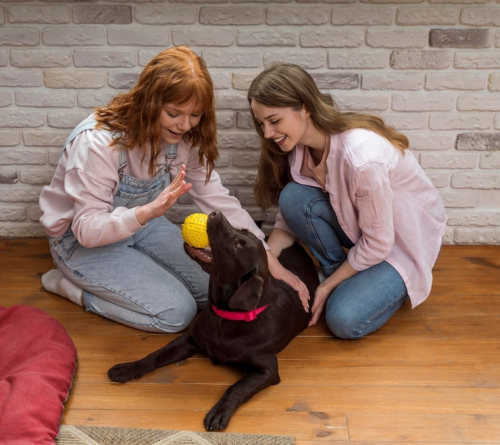
Raising a puppy in the vibrant neighborhoods of San Francisco presents unique challenges. Busy streets, bustling parks, and constant foot traffic create an environment full of distractions that can test even the most focused young dog. For new puppy owners navigating this urban landscape, small group puppy training classes offer a structured path to building essential skills. These sessions provide controlled opportunities for puppies to practice focus amid mild distractions while learning to thrive in real-world settings.
Your dog’s daily struggles pulling, mealtime anxiety, or reactivity don’t just cause stress, they chip away at the joy of being together. At Prime Paw, our positive reinforcement-based programs meet your dog where they are and build confidence, connection, and real skills. Our tailored programs in-person classes, coaching, and online resources help you enjoy calmer walks, relaxed routines, and a deeper connection. Ready for lasting change? Schedule a Prime Paw consultation today!
The Importance of Early Socialization in Urban Environments
According to established veterinary and training guidance, early socialization during a puppy’s critical developmental window plays a major role in shaping long-term confidence and adaptability. Structured group environments expose puppies to a wider range of stimuli, including other dogs, unfamiliar people, varying appearances, and everyday environmental sounds. This controlled exposure helps reduce fear-based reactions, separation anxiety, and nervousness when encountering common urban triggers such as traffic, household appliances, or visitors. These findings are supported in professional training resources emphasizing that puppies enrolled in group settings gain significantly more diverse experiences than those raised with limited home-only interactions. Over time, this exposure helps young dogs build resilience and emotional stability, making it easier for them to navigate busy environments like parks and city sidewalks. Consistent participation also reinforces positive associations with new experiences, which contributes to calmer behavior and improved learning outcomes. For a deeper overview of these principles, see puppy socialization research.
This controlled exposure helps reduce fear responses, separation anxiety, and nervousness around new stimuli like passing cars or visitors at the door. In neighborhoods with active pedestrian life and nearby green spaces, early socialization becomes particularly valuable. Puppies learn to navigate the sights and sounds of city living without becoming overwhelmed.
How Small Group Settings Build Focus Amid Distractions
Small group puppy training classes excel at teaching puppies to maintain attention on their handlers despite mild distractions from classmates. These environments allow young dogs to practice impulse control and attention skills that translate directly to neighborhood walks and family outings.
Comparing Group Classes to Private Training for Real-world Preparation
Training experts note that while private in-home sessions can be highly effective for introducing basic obedience in a low-distraction setting, group classes provide a different and equally important layer of learning. In structured group environments, puppies are gradually introduced to real-world distractions such as other dogs moving nearby, unfamiliar handlers, and general activity within a shared space. This controlled stimulation helps puppies learn to maintain focus on their owners even when exciting or unfamiliar events are happening around them. As a result, they become better equipped to generalize commands across different environments, from quiet homes to busy parks and streets. Group settings also encourage the development of appropriate play behavior, bite inhibition, and social confidence, all of which are essential for urban living. While private training can be ideal for very young or sensitive puppies, combining it with group experiences creates a more complete learning path. More detail on this balanced approach can be found in discussions of group classes vs private training.
Benefits for Handlers in Group Environments
Owners gain significant advantages too. Participating in small group classes allows handlers to observe different training approaches, share experiences with fellow puppy parents, and receive professional guidance in real time. This community aspect creates a supportive network where common challenges like leash pulling during walks or excitement around other dogs can be addressed collectively.
Positive Reinforcement Techniques in Group Puppy Classes
Small group settings often emphasize positive reinforcement methods, where good behavior is rewarded and unwanted actions are redirected. This approach strengthens the bond between puppy and owner while encouraging eager participation in learning. Handlers learn to use treats, praise, and play effectively amid distractions, making training sessions more enjoyable and effective.
Over time, puppies associate listening and calm behavior with positive outcomes, even when tempting distractions are present. This foundation supports better behavior during daily activities such as visits to dog-friendly cafes or encounters on neighborhood paths.
Practical Skills Developed Through Puppy Distraction Training
Group puppy obedience classes incorporate exercises specifically designed for puppy distraction training. Puppies practice basic commands while gradually increasing environmental challenges, building the focus needed for urban life. These sessions help develop reliable responses that hold up during real-life scenarios.
Key skills include maintaining eye contact with the handler, responding to recall cues despite interesting sights or smells, and settling calmly in the presence of other dogs. Such puppy focus training exercises prepare young dogs for the dynamic environments found throughout San Francisco’s parks and streets.
Transitioning From Home Training to Group Classes
Many owners begin with private sessions for initial basics before moving into group formats. This combination proves highly effective. Home training offers customization for very young or under-vaccinated puppies, while group classes provide the social exposure and distraction practice necessary for comprehensive development.
The transition helps puppies master listening amid chaos. Limited-size classes maintain a supportive atmosphere while promoting confidence and reliable responses that private lessons alone might not achieve in more stimulating conditions.
Choosing the Right Small Group Puppy Training Classes
When selecting puppy socialization classes, look for programs with experienced instructors, appropriate class sizes, and a focus on positive methods. Quality sessions balance structure with flexibility, allowing puppies to progress at their own pace while benefiting from peer interactions.
Consider classes that incorporate varied activities, from basic obedience to controlled playtime. This variety helps puppies develop well-rounded skills suited to busy urban lifestyles. Owners often report noticeable improvements in their puppie’s calmness and responsiveness after consistent participation.
Long-term Benefits for Urban Puppy Owners
Investing time in small group puppy training classes during the prime developmental window equips puppies with the social and attentional foundation needed for a lifetime of calm, responsive behavior. The skills developed through puppy distraction training and group socialization support confident navigation of city environments.
Well-adjusted dogs tend to experience fewer behavioral issues, leading to more enjoyable shared adventures with their families. From relaxed park visits to stress-free neighborhood strolls, the benefits extend throughout the dog’s life and strengthen the human-canine bond.
small group puppy training classes offer new owners in dynamic urban settings a powerful tool for raising confident, well-mannered companions. By combining socialization, distraction practice, and positive reinforcement in a supportive environment, these programs help puppies thrive amid the everyday challenges of city life. For those seeking effective puppy training around distractions, exploring local group options can make a significant difference in the training journey.
Frequently Asked Questions
What are the benefits of small group puppy training classes for socialization and behavior?
Small group puppy training classes provide structured socialization that exposes puppies to other dogs, people, and everyday urban distractions. This early exposure helps build confidence, reduce fear-based behaviors, and improve emotional stability. Puppies also learn proper play manners and impulse control in a safe, supervised environment. Over time, this leads to better behavior in public spaces like parks and busy streets.
How do puppy training classes help puppies stay focused around distractions in busy environments?
Puppy training classes use controlled distractions such as other dogs, movement, and sounds to teach puppies how to maintain focus on their handler. Through repetition and positive reinforcement, puppies learn to respond to commands even when exciting things are happening around them. This helps develop strong impulse control and attention skills. These abilities are essential for real-world situations like walking in urban neighborhoods or visiting public parks.
Should I choose small group puppy classes or private training for my puppy’s development?
Private training is useful for introducing basic commands in a low-distraction setting, especially for very young puppies. However, small group classes offer essential real-world practice by introducing social and environmental distractions. Combining both approaches often produces the best results for well-rounded development. Group classes also help puppies build confidence and adaptability in more dynamic settings.
Disclaimer: The above helpful resources content contains personal opinions and experiences. The information provided is for general knowledge and does not constitute professional advice.
You may also be interested in: Dog Training in 2026 Focuses on Trust and Joyful Learning
Your dog’s daily struggles pulling, mealtime anxiety, or reactivity don’t just cause stress, they chip away at the joy of being together. At Prime Paw, our positive reinforcement-based programs meet your dog where they are and build confidence, connection, and real skills. Our tailored programs in-person classes, coaching, and online resources help you enjoy calmer walks, relaxed routines, and a deeper connection. Ready for lasting change? Schedule a Prime Paw consultation today!
Powered by flareAI.co