
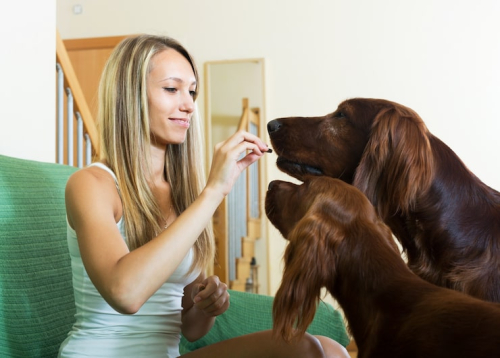
For first-time puppy owners in San Francisco, the 8–18 week period represents a pivotal window for shaping your dog’s lifelong behavior, confidence, and social skills. During this critical developmental phase, a well-chosen puppy training class can make the difference between a well-adjusted companion and one prone to anxiety or reactivity. This guide offers practical insights to help you evaluate options, focusing on positive reinforcement methods that align with the needs of busy urban professionals and families navigating life in neighborhoods like the Mission District, Potrero Hill, and beyond.
Your dog’s daily struggles pulling, mealtime anxiety, or reactivity don’t just cause stress, they chip away at the joy of being together. At Prime Paw, our positive reinforcement-based programs meet your dog where they are and build confidence, connection, and real skills. Our tailored programs in-person classes, coaching, and online resources help you enjoy calmer walks, relaxed routines, and a deeper connection. Ready for lasting change? Schedule a Prime Paw consultation today!
Understanding the Critical 8–18 Week Socialization Window
Puppies between 8 and 18 weeks undergo rapid neurological and emotional development, making this the ideal time for structured socialization and foundational training. Research from programs like Duke Puppy Kindergarten research shows how targeted games and interactions during this phase help develop key traits such as focus, resilience, and sociability. Puppies learn to navigate new environments, people, and challenges with positive associations rather than fear.
In a vibrant city environment filled with diverse sounds, sights, and encounters from bustling streets to park meetups this period helps prevent common issues like leash reactivity or separation anxiety. Quality classes emphasize gradual exposure in controlled settings, building confidence while reinforcing basic commands such as sit and loose-leash walking.
Early structured training and socialization during the critical developmental window for puppies between 8 and 18 weeks can dramatically shape their future temperament, cognitive abilities, and success as well-adjusted companions or working dogs. Research from programs like Duke Puppy Kindergarten research highlights how targeted games and interactions help assess and develop key traits such as focus, resilience, and sociability in young puppies. These experiences build confidence and adaptability, teaching puppies to navigate new environments, people, and challenges with positive associations rather than fear. For new puppy owners, this underscores the value of enrolling in quality group classes that prioritize positive reinforcement, controlled play, and gradual exposure. Such classes not only reinforce basic commands like sit and leash walking but also foster essential social skills among peers of similar ages and vaccination status.
Choosing a program with small class sizes, certified trainers, and a focus on individualized attention ensures puppies receive the right balance of structure and fun. This approach minimizes risks while maximizing benefits, helping prevent common behavioral issues like reactivity or anxiety later in life. Owners who invest in these early opportunities often report stronger bonds with their dogs and smoother transitions into adolescence. The insights from ongoing studies emphasize that the foundation laid in these first months influences lifelong learning capacity and emotional stability, making informed selection of a training class one of the most impactful decisions for raising a happy, confident dog.
Key Factors to Evaluate When Selecting a Puppy Training Class
Start by prioritizing programs that use positive reinforcement techniques. These methods reward desired behaviors with treats, praise, or play, fostering enthusiasm for learning rather than fear of correction. Avoid classes relying heavily on dominance-based approaches, which can undermine trust during this sensitive stage.
Consider class size and structure. Smaller groups allow for individualized attention, enabling trainers to address specific needs like helping a shy puppy build confidence or guiding an energetic one toward better impulse control. Look for sessions that balance structured exercises with free play among age- and vaccination-matched peers.
The Importance of Certified Trainers and Curriculum Quality
Certified instructors with experience in early puppy development bring expertise in reading canine body language and creating supportive learning environments. They guide owners on topics like routine building and interpreting signals, empowering you to continue training effectively at home. Volunteer and community-based programs highlight how consistent, hands-on guidance during the 8-18 week phase supports emotional regulation and adaptability.
Review the curriculum for integration of play, basic obedience, and real-world socialization. Effective programs incorporate exposure to varied settings in a supportive manner, helping puppies develop manners and focus. Owner education components strengthen the human-canine bond and equip participants to handle challenges promptly.
Volunteer and community-based puppy raising efforts reveal the importance of consistent, hands-on guidance in early training classes, where young dogs learn manners, focus, and adaptability through daily interactions and structured exercises. Programs that pair puppies with dedicated handlers during the 8-18 week critical phase emphasize socialization in varied settings, basic command practice, and exposure to real-world distractions in a supportive manner through puppy raising and training programs. This approach helps puppies develop the emotional regulation and confidence necessary for success, whether as service animals or beloved family pets. When choosing a class, look for those with similar principles: certified instructors, limited enrollment for personalized attention, and curricula that integrate play, training, and owner education on topics like body language and routine building. These elements foster strong bonds and prevent common pitfalls such as poor leash manners or separation issues. For new puppy parents, participating in well-designed group sessions provides invaluable peer learning for both dog and human, reinforcing techniques at home and addressing challenges promptly. The dedication shown in these raising initiatives demonstrates that thoughtful early intervention during this sensitive window yields dogs that are more resilient, sociable, and responsive, making the selection of an appropriate training environment a foundational step in responsible puppy ownership.
Practical Considerations for San Francisco Puppy Parents
Location and scheduling matter for consistency, especially with work-from-home setups or hybrid schedules common in areas like SoMa and Dogpatch. Seek classes near your neighborhood or with convenient access to public transit to maintain regular attendance. Many local options offer evening or weekend slots to accommodate busy professionals.
Check vaccination policies and health protocols to ensure a safe environment. Reputable classes require proof of initial vaccinations and maintain strict hygiene standards, minimizing health risks while maximizing socialization benefits. Inquire about trainer-to-puppy ratios and how they handle varying energy levels or temperaments.
Red Flags and Questions to Ask Potential Providers
Be wary of programs promising quick fixes or using harsh corrections. Quality puppy kindergarten classes focus on prevention and positive experiences rather than rapid obedience drills. Ask about the trainer’s credentials, approach to behavioral issues, and methods for managing play sessions to prevent overstimulation.
Request a trial session or observation opportunity if available. Observe how instructors interact with both puppies and owners. Strong programs emphasize partnership, providing feedback on home practice and strategies for ongoing development. This approach helps prevent common pitfalls such as poor leash manners or difficulty with new situations.
Maximizing Benefits Through Active Participation
Success extends beyond class time. Committed owners who practice techniques at home incorporating short, engaging sessions into daily routines see stronger results. Use walks around Bernal Heights or Noe Valley as opportunities to reinforce skills in real-world settings, gradually increasing distractions as your puppy gains confidence.
Track progress with simple notes on new behaviors or challenges. Many owners report deeper bonds and smoother transitions into adolescence when investing in these early opportunities.
Building Long-term Success Beyond the Classroom
Think of puppy training class as the launchpad for ongoing development. Combine group sessions with individual practice, exploring local parks for continued socialization. Programs that include owner education on topics like body language help you become your puppy’s best advocate.
As your dog matures, the skills and confidence established in these early weeks support everything from advanced training to simply enjoying city life together. Thoughtful selection of a training environment remains one of the most impactful decisions in responsible puppy ownership.
Choosing the right puppy training class for your 8–18 week old requires careful consideration of methodology, instructor expertise, and fit for your lifestyle. By focusing on positive reinforcement, small-group dynamics, and comprehensive owner support, you set the stage for a happy, confident dog who thrives in San Francisco’s dynamic environment. Take time to visit options, ask thoughtful questions, and trust programs that prioritize welfare and relationship-building. Your efforts during this critical period will pay dividends for years to come through a resilient, sociable companion ready for all of life’s adventures.
Frequently Asked Questions
What should I look for when choosing a puppy training class for an 8–18 week old puppy?
Look for puppy training classes that use positive reinforcement techniques, small group sizes, and certified trainers experienced in early puppy development. A strong program should include structured socialization, controlled play, and exposure to real-world environments. It is also important to ensure the curriculum supports both puppy learning and owner education so you can continue training at home effectively.
Why is the 8–18 week socialization period so important for puppy training and behavior?
The 8–18 week developmental window is critical because puppies are highly receptive to new experiences, environments, and social cues during this time. Positive exposure helps shape long-term behavior, reducing the risk of fear, anxiety, or reactivity later in life. Structured puppy socialization during this stage builds confidence, resilience, and adaptability.
Are positive reinforcement puppy training classes better than dominance-based training methods?
Yes, positive reinforcement puppy training classes are widely recommended because they build trust and encourage learning through rewards rather than fear or correction. These methods help puppies develop enthusiasm for training while strengthening the bond with their owner. In contrast, dominance-based approaches can undermine confidence and may lead to stress or behavioral issues.
Disclaimer: The above helpful resources content contains personal opinions and experiences. The information provided is for general knowledge and does not constitute professional advice.
You may also be interested in: Puppy Owners Benefit from Early Socialization Practices
Your dog’s daily struggles pulling, mealtime anxiety, or reactivity don’t just cause stress, they chip away at the joy of being together. At Prime Paw, our positive reinforcement-based programs meet your dog where they are and build confidence, connection, and real skills. Our tailored programs in-person classes, coaching, and online resources help you enjoy calmer walks, relaxed routines, and a deeper connection. Ready for lasting change? Schedule a Prime Paw consultation today!
Powered by flareAI.co