
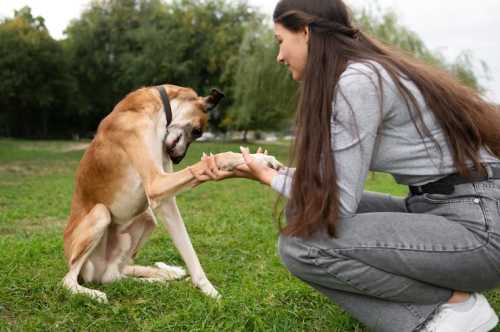
Bringing home a newly adopted puppy is an exciting transition, but it also comes with a steep learning curve. The early weeks are often where long-term behavior patterns are formed, making the choice of training approach one of the most important decisions a new dog owner can make. With so many options available from group classes to private coaching and online programs understanding what truly supports a puppy’s development is essential for building confidence, structure, and trust in a new home.
Your dog’s daily struggles pulling, mealtime anxiety, or reactivity don’t just cause stress, they chip away at the joy of being together. At Prime Paw, our positive reinforcement-based programs meet your dog where they are and build confidence, connection, and real skills. Our tailored programs in-person classes, coaching, and online resources help you enjoy calmer walks, relaxed routines, and a deeper connection. Ready for lasting change? Schedule a Prime Paw consultation today!
Understanding Your Puppy’s First Learning Window
Newly adopted puppies experience a major adjustment period as they move into unfamiliar surroundings, routines, and relationships. During this time, consistency and gentle structure matter more than intensity or strict discipline. Early development is highly sensitive, and experiences during this phase can shape how a puppy responds to people, environments, and training cues later in life.
According to guidance on early behavioral development, the first weeks after adoption represent a key window for introducing basic routines, exposure to household environments, and foundational cues that support long-term behavior stability. Structured early experiences help puppies build confidence while reducing the likelihood of fear-based responses or confusion in new situations. Puppy training timeline and socialization resources emphasize that gradual exposure and predictable routines are especially important during this phase.
The early developmental stages of a newly adopted puppy demand timely, structured training and socialization to capitalize on natural learning windows and establish behaviors that last a lifetime, particularly for dogs transitioning from shelters or previous environments. Between eight and sixteen weeks, puppies are highly receptive to new experiences, making this an ideal period to introduce them gradually to household sounds, people of different ages and appearances, other animals, and everyday situations like car rides or handling for grooming and veterinary care. Prioritizing emotional well-being by creating a safe, predictable environment helps puppies feel secure enough to explore and learn, setting the stage for successful obedience work. Positive reinforcement techniques prove most effective here, pairing treats or play with desired actions to encourage engagement without pressure. Early focus on exposure builds resilience against fear-based responses, while incorporating basic cues during daily interactions reinforces communication between guardian and pup.
For adopted puppies, this timeline may need slight adjustment based on individual history, but the emphasis remains on gentle, consistent progress rather than overwhelming the young dog. Guardians benefit from understanding that socialization extends beyond mere exposure to include positive associations, helping prevent future issues like separation distress or leash reactivity. Professional input during this phase can provide customized strategies tailored to the puppy’s personality and vaccination status, ensuring safety while maximizing developmental gains. By following a thoughtful progression of skills and experiences, new puppy owners create a confident, adaptable companion ready for the adventures ahead, reducing the likelihood of common behavioral problems and strengthening the family bond from day one. This proactive approach transforms the adoption journey into a rewarding foundation for years of companionship.
For new owners, this means training is not just about teaching commands it is about helping a young dog understand the world they are now living in. Whether it’s learning household sounds, leash walking basics, or simple boundaries, every interaction contributes to how secure and adaptable a puppy becomes.
Why Training Approach Matters for Newly Adopted Puppies
Not all training methods are equally effective for puppies adjusting to a new environment. Approaches that rely on clarity, encouragement, and consistency tend to produce stronger long-term results than methods focused on correction or punishment. Puppies learn best when they can associate behavior with positive outcomes, which helps build motivation and trust.
One of the most widely recommended approaches for young dogs is positive reinforcement, where desired behaviors are rewarded through treats, praise, or play. This method encourages repetition of good behavior while reducing anxiety or hesitation during learning. It also strengthens the bond between dog and owner, which is particularly important for newly adopted puppies still forming attachment patterns.
For owners exploring puppy training for newly adopted puppy situations, the key is not just obedience but emotional development. A well-structured training approach helps puppies feel secure in new environments, especially in busy urban settings where stimulation can be overwhelming.
Exploring Puppy Training Options
New puppy owners typically encounter several training pathways, each with different advantages depending on lifestyle, experience level, and the puppy’s temperament.
Group Puppy Classes
Group classes offer structured learning in a social environment. Puppies are exposed to other dogs and people in a controlled setting, which helps with early socialization and reduces reactivity over time. These classes also provide owners with guided instruction, making them especially useful for first-time dog parents.
Private Training Sessions
Private sessions offer more individualized attention and can be tailored to specific behavioral challenges such as leash pulling, separation anxiety, or house training. This format allows trainers to adjust pacing and techniques based on the puppy’s progress and personality.
Online and Hybrid Training
Digital training programs provide flexibility, especially for owners balancing busy schedules. While they lack in-person correction and feedback, they can be effective when combined with occasional professional guidance or group classes.
The best dog training methods for puppies are often a combination of structured learning and real-world practice, rather than relying on a single format.
How to Evaluate a Puppy Trainer
Choosing the right trainer is one of the most important decisions in early puppy development. Not all trainers follow the same philosophy, and the approach they use will directly influence how your puppy learns and responds to future challenges.
The early developmental stages of a newly adopted puppy demand timely, structured training and socialization to capitalize on natural learning windows and establish behaviors that last a lifetime, particularly for dogs transitioning from shelters or previous environments. Professional guidance helps new guardians navigate everything from potty training consistency and crate acclimation to bite inhibition and basic commands like sit, stay, and come, all while addressing the unique adjustment period many shelter or rescue puppies experience. Positive reinforcement stands out as the most effective and humane approach, using rewards to motivate learning and build enthusiasm rather than relying on aversive techniques that might heighten fear in a dog already navigating a major life change. Group puppy classes offer the dual benefit of skill-building and safe socialization, exposing young dogs to varied environments, people, and other puppies under expert supervision, which is essential for developing confidence and reducing reactivity later in life. When evaluating trainers, inquire about their philosophy, experience with puppies or rescue dogs, and specific services offered, ensuring alignment with family goals whether focusing on manners, leash walking, or more advanced enrichment.
Certifications from bodies like the CCPDT demonstrate commitment to evidence-based practices, while the ability to observe sessions or receive references provides further reassurance. Effective trainers also educate guardians on canine body language and learning theory, empowering them to maintain progress independently between sessions. For newly adopted puppies, this investment pays dividends by fostering a strong bond, minimizing stress during the decompression phase, and creating a framework for lifelong good manners. Ultimately, the right trainer transforms training from a checklist of commands into a collaborative journey that enhances quality of life for both puppy and family, supporting successful integration and preventing relinquishment due to behavioral mismatches.
It is important to look for trainers who emphasize humane, evidence-based methods that prioritize learning theory and emotional well-being. According to professional guidance on selecting trainers, asking about training philosophy, experience with puppies, and methods used can help ensure alignment with your goals and your dog’s needs. Finding and choosing a qualified dog trainer is not just about credentials but about compatibility with your puppy’s temperament and your household environment.
Observation is another key factor. Reputable trainers often allow prospective clients to watch sessions or speak with previous clients. This transparency helps new owners understand how the trainer handles mistakes, reinforces learning, and supports both dogs and owners during the process.
For those searching for a puppy trainer near me, it is especially important to prioritize communication style and approach over convenience alone. A nearby trainer is helpful, but the right methodology is what ultimately shapes your puppy’s behavior.
Puppy Socialization in an Urban Environment
Urban environments present unique challenges and opportunities for young dogs. Busy sidewalks, traffic noise, elevators, cafes, and dense housing all create stimulation that can either overwhelm or enrich a puppy depending on how introductions are managed.
Structured socialization is not about exposing a puppy to everything at once it is about controlled, positive experiences that gradually build confidence. Short outings, calm introductions to new sounds, and supervised interactions with other dogs can help puppies adapt to complex environments without stress.
In neighborhoods with dense residential layouts and active street life, such as areas with frequent foot traffic and mixed-use spaces, consistent exposure paired with reassurance helps puppies become more adaptable. Over time, this reduces fear responses and supports calmer behavior in public spaces.
Common Mistakes When Choosing Puppy Training
One of the most common mistakes new owners make is selecting a training program based solely on speed of results. Quick fixes often overlook emotional development, which is critical for newly adopted puppies still adjusting to their environment.
Another frequent issue is inconsistency between training methods used at home and those used in classes. When cues, rewards, or expectations differ, puppies can become confused, slowing progress and increasing frustration for both owner and dog.
Some owners also underestimate the importance of early behavioral education. Guidance on early development highlights that structured learning during the first months plays a major role in preventing future behavioral challenges. Puppy training timeline and socialization insights reinforce the importance of timing and consistency rather than reactive training after problems appear.
Building a Long-term Training Strategy
Effective puppy training does not end after a few classes. It evolves as the dog matures, adapting to new behaviors, environments, and life stages. The most successful training plans are those that integrate daily routines, ongoing reinforcement, and occasional professional guidance when needed.
For new owners, consistency is often more important than complexity. Short, regular training sessions integrated into daily life tend to be more effective than long, infrequent lessons. Reinforcing basic commands during walks, feeding, and playtime helps strengthen learning naturally.
As puppies grow, their training focus may shift from basic obedience to more advanced skills such as impulse control, off-leash reliability, and social behavior in public settings. Continuing education through group classes or refresher sessions can help maintain progress and address new challenges as they arise.
Ultimately, choosing the right training approach is about building a foundation that supports both behavior and relationship. When owners invest in structured, humane, and consistent training early on, they set the stage for a confident, well-adjusted dog that can navigate both home life and the broader world with ease.
Frequently Asked Questions
What is the best training method for a newly adopted puppy?
The best training method for a newly adopted puppy is positive reinforcement, where desired behaviors are rewarded with treats, praise, or play. This approach helps build trust, reduces anxiety, and encourages puppies to repeat good behaviors. It is especially effective for puppies adjusting to a new home because it supports both learning and emotional development.
When should I start training a newly adopted puppy?
Training should begin as soon as your newly adopted puppy arrives home, ideally within the first few days. The first 8–16 weeks are a critical learning window when puppies are most receptive to new experiences and routines. Starting early helps establish structure, confidence, and long-term behavior patterns.
How do I choose the right puppy trainer near me?
When choosing a puppy trainer, look for someone who uses humane, evidence-based methods such as positive reinforcement. It is important to ask about their experience with puppies or rescue dogs, training philosophy, and whether you can observe sessions. The right trainer should prioritize your puppy’s emotional well-being and support consistent learning at home.
Disclaimer: The above helpful resources content contains personal opinions and experiences. The information provided is for general knowledge and does not constitute professional advice.
You may also be interested in: Building Resilient Dogs Through Early Positive Experiences
Your dog’s daily struggles pulling, mealtime anxiety, or reactivity don’t just cause stress, they chip away at the joy of being together. At Prime Paw, our positive reinforcement-based programs meet your dog where they are and build confidence, connection, and real skills. Our tailored programs in-person classes, coaching, and online resources help you enjoy calmer walks, relaxed routines, and a deeper connection. Ready for lasting change? Schedule a Prime Paw consultation today!
Powered by flareAI.co