
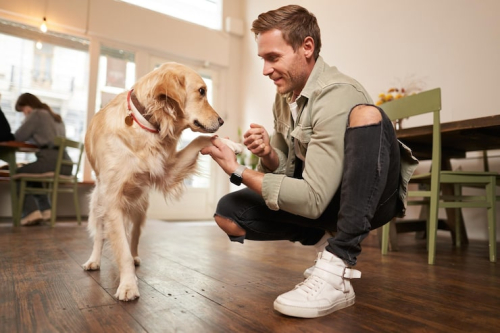
Bringing home a new puppy feels like the start of an adventure until the first chewed shoe, midnight zoomies, or unexpected puddle on the rug. In vibrant San Francisco neighborhoods such as the Mission District, Potrero Hill, SoMa, Dogpatch, Bernal Heights, the Castro District, and Noe Valley, new dog parents soon realize that effective discipline has little to do with scolding or punishment. Instead, it centers on smart, consistent guidance that builds lasting trust and transforms boundless puppy energy into calm, confident companionship.
Experts from leading veterinary and behavior organizations agree: the most reliable way to shape a puppy’s behavior comes from understanding how dogs learn best. Positive reinforcement, which rewards desired actions, consistently proves more effective than outdated approaches relying on fear or correction. The outcome is a happier, more responsive dog and a far less frustrated owner.
Your dog’s daily struggles pulling, mealtime anxiety, or reactivity don’t just cause stress, they chip away at the joy of being together. At Prime Paw, our positive reinforcement-based programs meet your dog where they are and build confidence, connection, and real skills. Our tailored programs in-person classes, coaching, and online resources help you enjoy calmer walks, relaxed routines, and a deeper connection. Ready for lasting change? Schedule a Prime Paw consultation today!
Why Traditional Discipline Methods Often Backfire
Many caring owners instinctively reach for familiar tactics a firm “No!” or a quick tap on the nose drawn from how they were raised. Yet puppies process consequences differently. They live fully in the present and link any immediate reaction, even negative attention, to the behavior at hand.
Yelling at a jumping puppy or pushing them away can unintentionally reinforce the jumping because any response provides the attention they seek. Trainers and studies across the field note that punitive methods risk increasing anxiety, damaging trust, and sometimes escalating issues like nipping or excessive barking. In a stimulating urban environment like San Francisco, where puppies face constant sights, sounds, and encounters on streets and in parks, fostering calm confidence through understanding yields better long-term results than short-term corrections.
The Strength of Positive Reinforcement According to Experts
Veterinarians, behaviorists, and professional trainers widely recommend focusing on what your puppy does right rather than punishing what goes wrong. Positive reinforcement involves adding something rewarding such as a treat, enthusiastic praise, a quick game, or a favorite toy right after the desired behavior occurs. This makes the puppy more likely to repeat the action in the future.
Timing proves essential. The reward must arrive within seconds so the puppy clearly connects it to the specific behavior. For instance, the moment your puppy sits instead of jumping for attention, deliver a small treat paired with warm verbal praise. With consistent repetition, sitting becomes the natural choice for greetings.
This method aligns with how dogs naturally learn. It lowers stress levels for both puppy and owner while cultivating a dog eager to participate rather than one hesitant about making mistakes.
Practical Steps to Begin Effective Discipline at Home
Successful puppy discipline starts with prevention and thoughtful redirection instead of reactive scolding. Puppy-proof your living spaces and introduce clear daily routines from the very beginning to set everyone up for success.
When unwanted behavior surfaces, such as chewing on furniture, calmly redirect the puppy to an appropriate chew toy. As soon as they engage with the toy, offer enthusiastic praise and perhaps a brief playful interaction. Completely ignore the furniture no dramatic reactions that might turn the incident into a game.
The same principle applies to play biting or nipping. Immediately stop all interaction the instant teeth make contact with skin. Turn away, remain still, and wait for calmness before re-engaging with a toy or a known command. Puppies quickly learn that gentle play keeps the fun continuing.
House training follows identical logic. Schedule frequent outdoor trips every 30 to 60 minutes initially, plus after eating, napping, or play sessions. Celebrate the moment they finish their business outside with genuine excitement, a treat, or affectionate praise. This clear feedback helps the connection form rapidly.
Developing Focus and Good Manners with Short, Enjoyable Sessions
Puppies possess short attention spans, making brief five- to ten-minute training sessions multiple times daily far more productive than longer ones. Focus on one skill per session, whether “sit,” a steady “stay,” or a polite “leave it.”
Begin with high-value rewards like tiny bits of chicken or cheese for food-driven pups. As reliability improves, blend in praise and play to reduce treat dependence while keeping motivation strong. Varying rewards prevents boredom and maintains engagement.
Family-wide consistency eliminates mixed messages. If one household member permits couch jumping while another discourages it, confusion follows. Establish shared rules and cues so every interaction reinforces the same expectations.
Navigating Puppy Challenges in Bustling City Environments
Urban living introduces distinct obstacles: crowded sidewalks, enticing street litter, and restricted outdoor space. Proper socialization stands out as vital. Controlled, supervised exposure to varied people, sounds, sights, and other dogs builds resilience and reduces future fear-based reactions.
PrimePaw addresses these needs directly with personalized puppy training tailored to each dog’s unique behavior and personality. The program combines structured lessons with socialization opportunities in one safe, supervised setting, relying exclusively on positive reinforcement delivered by experienced trainers. This integrated approach equips families with practical skills while minimizing the hassle of coordinating separate activities.
Common concerns include the investment required for professional guidance or uncertainty about fitting sessions into a packed schedule. Early intervention frequently prevents costlier behavioral problems down the line. Focused, shorter sessions integrate well into daily routines in dynamic areas like SoMa or Bernal Heights, producing enduring benefits.
Addressing Doubts That Training May Not Suit Your Puppy
While every dog differs in personality, the principles of learning remain consistent. Adjustments in delivery whether emphasizing food, toys, or affection usually reveal what motivates an individual pup. Careful observation and minor tweaks often spark steady progress. When challenges persist, a certified force-free trainer can pinpoint underlying factors such as subtle anxiety or environmental influences.
Balancing Busy Schedules with Consistent Training Results
Time limitations rank among the top hesitations for busy professionals across San Francisco. Fortunately, effective discipline need not consume hours of dedicated practice each day. Incorporate learning naturally into routine moments: practice a polite “wait” at doorways, request eye contact before meals, or refine loose-leash skills during brief neighborhood walks.
Even micro-sessions of five minutes before leaving for work or while preparing coffee accumulate meaningfully. Experienced trainers stress that precise timing and steady consistency outweigh lengthy formal drills. Real-world application with well-timed rewards often accelerates learning more effectively than isolated practice in a quiet setting.
Understanding the Growing Importance of Quality Puppy Training
Pet owners today show increasing interest in services that genuinely improve their dog’s daily lives and strengthen family bonds. Rising disposable incomes have led many to seek premium, customized options that enhance comfort and overall well-being, including personalized training programs. Commercial facilities specializing in these tailored experiences remain popular because they deliver practical, relationship-centered outcomes that fit real urban lifestyles.
In everyday terms, this shift encourages choosing training approaches that reinforce the human-dog connection rather than strain it. Puppies guided with patience and positive methods mature into assured adults capable of enjoying city adventures whether exploring trails in Bernal Heights or settling comfortably at a neighborhood spot in Dogpatch.
Building Discipline Through Partnership
Disciplining a puppy effectively boils down to clear communication, generous recognition of good choices, and patient redirection over punishment. The focus rests less on exerting control and more on helping your dog understand how to flourish alongside you in a shared environment.
Those early months pass swiftly. By committing to positive reinforcement and reaching out for support when useful through community resources or specialized offerings like those from PrimePaw families lay a solid groundwork for years of rewarding companionship. Remember, your puppy is not acting out deliberately; they are simply discovering how to be a dog within a human household. Offer kind guidance, acknowledge every small success, and observe a respectful, well-mannered companion gradually take shape.
The true payoff extends beyond flawless behavior in the short term. It lies in the growing mutual trust and those peaceful instances when your dog looks to you naturally for direction not from apprehension, but from the confident expectation that positive things lie ahead.
Frequently Asked Questions
How do I stop my puppy from jumping, chewing, or biting?
For jumping, reward your puppy the moment they choose to sit instead this teaches them that sitting, not jumping, earns attention. For chewing, calmly redirect them to an appropriate chew toy and praise them as soon as they engage with it. For biting or nipping, immediately stop all play the instant teeth touch skin, turn away, and only re-engage once your puppy is calm they’ll quickly learn that gentle behavior keeps the fun going.
How much time does puppy training actually take each day?
Effective puppy training doesn’t require hours of dedicated practice. Short sessions of five to ten minutes, repeated several times a day, are far more productive than longer, infrequent drills. You can also weave training into everyday moments asking for a “wait” at the door, eye contact before meals, or loose-leash practice on a quick neighborhood walk making consistency manageable even for busy owners.
What is the most effective way to discipline a puppy without punishment?
The most effective approach is positive reinforcement rewarding your puppy immediately after they perform a desired behavior with treats, praise, or play. This method works because puppies live in the present and quickly associate a reward with the action they just took. Punitive tactics like scolding or physical corrections can increase anxiety, damage trust, and even worsen problem behaviors like nipping or barking.
Disclaimer: The above helpful resources content contains personal opinions and experiences. The information provided is for general knowledge and does not constitute professional advice.
You may also be interested in: Professionals Discuss Ethical Considerations in Training Assistance and Service Dogs
Your dog’s daily struggles pulling, mealtime anxiety, or reactivity don’t just cause stress, they chip away at the joy of being together. At Prime Paw, our positive reinforcement-based programs meet your dog where they are and build confidence, connection, and real skills. Our tailored programs in-person classes, coaching, and online resources help you enjoy calmer walks, relaxed routines, and a deeper connection. Ready for lasting change? Schedule a Prime Paw consultation today!
Powered by flareAI.co