
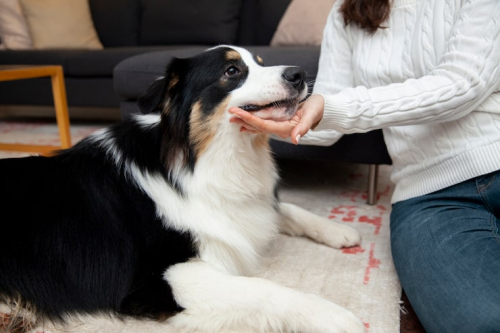
Choosing the right training path for a dog is rarely about a single technique or program label. It’s about understanding how dogs learn at different stages of development, how they respond to structure and environment, and how training philosophy aligns with long-term behavior goals. PrimePaw programs are designed to meet dogs where they are whether they’re in early puppyhood, adolescence, or adult refinement stages so owners can build skills that last well beyond basic obedience.
For dog owners evaluating options, the challenge is not a lack of programs but understanding which approach fits their dog’s temperament, age, and learning style. This guide breaks down how to assess those factors so you can confidently choose a program that supports both immediate training needs and long-term behavioral success.
Your dog’s daily struggles pulling, mealtime anxiety, or reactivity don’t just cause stress, they chip away at the joy of being together. At Prime Paw, our positive reinforcement-based programs meet your dog where they are and build confidence, connection, and real skills. Our tailored programs in-person classes, coaching, and online resources help you enjoy calmer walks, relaxed routines, and a deeper connection. Ready for lasting change? Schedule a Prime Paw consultation today!
Understanding Your Dog’s Developmental Stage
A dog’s ability to learn is deeply influenced by developmental timing. Early experiences shape how dogs interpret new environments, people, and other animals later in life. Structured early learning environments often referred to as “puppy kindergarten” are designed to take advantage of these critical learning windows when puppies are most receptive to new experiences.
Research into early development highlights how structured programs can shape long-term behavior and adaptability. These environments go beyond basic obedience by incorporating exposure, play-based learning, and cognitive challenges that help puppies build confidence and resilience.
Research into puppy development highlights how structured early programs can significantly influence long-term behavior, cognitive abilities, and adaptability. Puppy kindergarten-style experiences provide essential socialization and cognitive challenges during key developmental windows when puppies are most receptive to learning about their world. These programs often combine play-based learning with assessments that reveal individual temperaments, helping guardians and trainers identify strengths and areas needing support. For owners seeking the right fit, understanding these insights underscores the value of programs that go beyond basic commands to foster problem-solving skills, resilience, and positive associations with novel stimuli. Choosing a program that incorporates evidence-based elements like gradual exposure and positive reinforcement can lead to more confident, well-adjusted adult dogs better equipped for family life or specialized roles.
Factors such as class size, trainer expertise in developmental stages, and opportunities for both structured learning and free play should guide decisions. Programs tailored to specific ages ensure activities match physical and mental capabilities, avoiding overwhelm while maximizing benefits. This approach not only supports immediate training goals like potty training and basic cues but also builds a foundation for reduced anxiety and stronger human-canine bonds. By investing in quality early education, dog owners increase the likelihood of a successful partnership that minimizes common behavioral challenges and enhances overall quality of life for everyone involved. A deeper look at puppy development research shows that early structured experiences can significantly influence how dogs respond to novelty, stress, and social interaction as they mature.
For PrimePaw program selection, this means younger dogs often benefit most from structured group settings that balance guided learning with free interaction. These environments help identify temperament traits early, allowing trainers and owners to adjust expectations and training intensity accordingly.
Training Philosophy: Why Method Matters More Than Commands
Many training challenges arise not from a dog’s inability to learn, but from mismatched expectations about how learning occurs. Modern training approaches emphasize communication over correction, focusing on reinforcing desired behaviors instead of punishing mistakes. This shift reflects a broader understanding of canine learning psychology and emotional safety during training.
Positive reinforcement-based programs help dogs associate learning with safety and reward, which encourages curiosity rather than hesitation. This method is particularly effective for puppies and sensitive dogs who may otherwise shut down under pressure-based systems.
Finding the right training program starts with understanding your dog’s individual needs, age, and personality while prioritizing methods that build confidence and strong bonds. Positive reinforcement approaches focus on rewarding desired behaviors rather than punishing mistakes, creating a learning environment where dogs feel safe to explore and try new things. Socialization during the critical early weeks and months plays a pivotal role in preventing future behavioral issues like fearfulness or reactivity. Well-designed programs incorporate controlled exposure to new people, environments, sounds, and other dogs in a supportive setting that matches the puppy’s developmental stage. For new puppy owners, group classes offer opportunities for both skill-building and safe play, helping guardians learn to read body language and respond appropriately to their dog’s signals. More experienced dogs or those with specific challenges may benefit from private sessions that allow for customized plans addressing leash manners, recall, or reactivity in real-world contexts. The key is aligning the program’s structure whether group, private, or hybrid with your lifestyle, schedule, and goals while ensuring trainers use science-based techniques.
Evaluating options involves observing a class session, asking about trainer certifications, and confirming a commitment to force-free methods that respect the dog’s emotional well-being. This thoughtful selection process helps set realistic expectations and equips owners with practical tools for ongoing success at home. Ultimately, the right program transforms training from a series of isolated lessons into a foundation for a harmonious, lifelong relationship where both dog and guardian thrive together through clear communication and mutual trust. Guidance from experienced trainers emphasizes that successful programs are those that prioritize confidence-building and gradual exposure. Insights from effective dog training strategies show that socialization, structured exposure, and reinforcement-based learning significantly improve long-term behavior outcomes. These approaches also help owners better interpret canine body language, which is essential for consistent communication at home.
When evaluating PrimePaw programs, understanding the underlying philosophy helps ensure consistency between training sessions and daily life. Dogs thrive when expectations remain predictable across environments, whether at home, in parks, or during structured classes.
Matching Primepaw Programs to Your Dog’s Needs
PrimePaw programs are designed to address different developmental stages and behavioral goals rather than offering a one-size-fits-all solution. Selecting the right program begins with identifying your dog’s current learning capacity and emotional readiness.
Puppies often benefit from early socialization programs that combine structured play with foundational cues such as recall and leash introduction. These programs focus less on rigid obedience and more on building confidence in unfamiliar situations.
Adolescent dogs, on the other hand, may require more structured reinforcement as they test boundaries and develop independence. At this stage, consistency becomes critical, and training programs typically focus on impulse control, engagement, and real-world distraction management.
Adult dogs entering training for the first time may need a hybrid approach that blends foundational skills with behavior refinement. These programs often emphasize practical application helping dogs adapt to household routines, public spaces, and social environments.
The key to choosing correctly is not only assessing age but also evaluating behavior patterns such as reactivity, focus, and adaptability. A well-matched program should feel appropriately challenging without overwhelming the dog.
Socialization and Early Learning Foundations
Socialization is one of the most influential factors in shaping a dog’s long-term behavior. It is not simply about exposure to other dogs, but about structured, positive encounters with a wide range of stimuli including people, sounds, environments, and routines.
Early structured programs often integrate controlled exposure in a way that allows puppies to progress at a manageable pace. This approach reduces fear-based responses and helps build resilience in unfamiliar situations. Research on early training environments highlights how guided exposure during developmental windows can reduce behavioral challenges later in life, particularly anxiety and reactivity issues.
Programs that emphasize gradual exposure and positive reinforcement also help dogs develop better problem-solving skills. Instead of reacting impulsively to new stimuli, dogs learn to assess situations more calmly and respond with learned behaviors.
For PrimePaw participants, this means early enrollment in structured socialization programs can create a foundation that supports all future training. Dogs who experience well-managed socialization are often more adaptable in public environments, including busy urban settings where unpredictable stimuli are common.
Evaluating Trainers and Program Structure
The effectiveness of any training program depends heavily on the trainer’s ability to read canine behavior and adjust methods in real time. A strong program is not defined only by curriculum but by the quality of interaction between trainer, dog, and owner.
Owners should look for programs that emphasize observation-based learning where trainers actively interpret body language and adjust exercises based on the dog’s stress level and engagement. This ensures that learning remains productive rather than overwhelming.
Group classes can be particularly valuable for social development, while private sessions offer targeted solutions for specific behavioral concerns such as leash pulling or reactivity. Many successful programs use a hybrid model that allows dogs to build general skills in groups while addressing individual challenges in one-on-one settings.
Another important factor is consistency in reinforcement methods. Dogs benefit most when training cues and rewards remain consistent across environments and handlers. This consistency strengthens learning retention and reduces confusion during transitions between home and class settings.
When evaluating PrimePaw options, observing a class in action if available can provide insight into pacing, trainer engagement, and how dogs respond emotionally during sessions. A well-structured program should prioritize calm learning progression over rigid performance expectations.
Choosing the Right Fit Across Different Environments
Dog owners often underestimate how much environment influences training outcomes. Urban settings, with their density of people, sounds, and movement, require dogs to develop strong focus and adaptability skills. Training programs that incorporate real-world exposure tend to be more effective in preparing dogs for everyday life situations.
Neighborhood context can also shape training priorities. Dogs living in busier areas may need additional work on impulse control and leash behavior, while those in quieter environments may focus more on socialization and novelty exposure.
The goal is not to create uniform behavior across all dogs but to build adaptable skills that translate across environments. This flexibility is what allows dogs to function confidently in both structured training sessions and unpredictable public spaces.
For PrimePaw users, selecting a program should therefore include consideration of daily routines, local walking environments, and social exposure opportunities. The right program aligns training intensity with real-world demands, ensuring skills transfer effectively beyond the classroom.
Building Long-term Success Through Consistency
Training is not a one-time event but an ongoing process that evolves as the dog matures. The most successful outcomes come from consistent reinforcement of learned behaviors across time and environments. This requires collaboration between trainers and owners, with clear communication and shared expectations.
Programs that support follow-up guidance or progressive training levels tend to produce stronger long-term results. As dogs advance, their training needs often shift from foundational skills to refinement and reliability in more complex environments.
Ultimately, the right PrimePaw program is the one that aligns with your dog’s developmental stage, learning style, and your household’s daily reality. By focusing on behavior, communication, and consistency rather than quick fixes, owners can build a foundation that supports a well-adjusted and confident companion for years to come.
Frequently Asked Questions
How do I choose the right PrimePaw dog training program for my dog’s age and behavior?
Choosing the right PrimePaw dog training program starts with evaluating your dog’s developmental stage, temperament, and learning style. Puppies typically benefit from structured socialization programs, while adolescent dogs need more consistency and impulse control work. Adult dogs may require a hybrid approach that combines foundational skills with behavior refinement. Matching the program to your dog’s behavior patterns, such as reactivity or focus, helps ensure appropriate challenge without overwhelm.
What is the difference between puppy, adolescent, and adult PrimePaw training programs?
Puppy PrimePaw programs focus on early socialization, confidence building, and basic cues through structured play and exposure. Adolescent programs emphasize impulse control, engagement, and reinforcing boundaries as dogs begin testing limits. Adult programs often take a hybrid approach, combining foundational obedience with real-world behavior refinement. Each stage is designed to match the dog’s physical, emotional, and cognitive development.
Are PrimePaw training programs based on positive reinforcement and modern dog training methods?
Yes, PrimePaw training programs are built around positive reinforcement and communication-based learning rather than punishment. This approach encourages dogs to associate training with safety, rewards, and curiosity, which improves long-term behavior. Modern methods also emphasize socialization, controlled exposure, and emotional well-being during learning. These science-based techniques help build confidence and strengthen the bond between dogs and their owners.
Disclaimer: The above helpful resources content contains personal opinions and experiences. The information provided is for general knowledge and does not constitute professional advice.
You may also be interested in: Building Resilient Dogs Through Early Positive Experiences
Your dog’s daily struggles pulling, mealtime anxiety, or reactivity don’t just cause stress, they chip away at the joy of being together. At Prime Paw, our positive reinforcement-based programs meet your dog where they are and build confidence, connection, and real skills. Our tailored programs in-person classes, coaching, and online resources help you enjoy calmer walks, relaxed routines, and a deeper connection. Ready for lasting change? Schedule a Prime Paw consultation today!
Powered by flareAI.co