
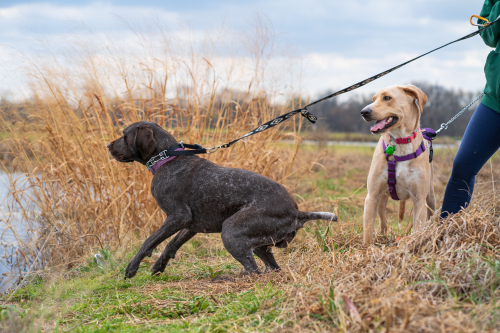
Leash pulling and lunging can turn even the most predictable San Francisco evening walks into sources of stress for both dogs and their owners. In neighborhoods like Bernal Heights, Dogpatch, and the Mission District, where sidewalks are narrow and sidewalks bustle with pedestrians, cyclists, and fellow pups, these behaviors create real safety concerns and emotional strain. The good news is that you can address them through smart management and positive training without ever resorting to punishment.
Your dog’s daily struggles pulling, mealtime anxiety, or reactivity don’t just cause stress, they chip away at the joy of being together. At Prime Paw, our positive reinforcement-based programs meet your dog where they are and build confidence, connection, and real skills. Our tailored programs in-person classes, coaching, and online resources help you enjoy calmer walks, relaxed routines, and a deeper connection. Ready for lasting change? Schedule a Prime Paw consultation today!
Understanding Why Dogs Pull and Lung on Leashes
Dogs pull and lunge for several common reasons. Over-excitement is frequent: a dog might play happily in the park but turn frantic when restricted by a leash. Fear-based lunging occurs when the dog feels threatened by other animals, people, or objects and tries to protect itself. Leash aggression is another possibility, where the dog may feel frustrated or overwhelmed by the leash’s restrictions.
Regardless of the underlying motivation, the key is recognizing that punishment only intensifies the problem. It can heighten fear, create new negative associations, or increase overall stress during walks. Instead, focus on proactive strategies that respect the dog’s natural behaviors and build calmer, more confident outings.
Choosing the Right Equipment to Reduce Tension
Modern walking gear plays a crucial role in helping dogs feel more secure and in control. A properly fitted front-clip harness redirects the dog’s attention back toward the handler when they try to pull forward. This design applies pressure to the chest rather than the neck, making it far safer and more effective than a traditional collar for reactive dogs.
Head halters offer another controlled option, allowing gentle redirection of the dog’s head while you maintain leash contact. Many experts recommend combining a buckle collar with a head halter and a single leash for added security during intense reactions. Pairing this setup with a sturdy, dual-handled leash gives you two points of control one for daily walks and a shorter traffic handle for close management in busy areas.
Choosing the right leash is equally important. Look for models with locking carabiners to prevent accidental release and padded, comfortable grips to protect your hands during strong pulls. Reflective materials ensure visibility on fog-covered streets or during early morning outings, adding another layer of safety for both you and your pup.
Strategic Planning for Calmer Walks
Timing and route planning make a significant difference. Walk your dog during quieter hours, such as early morning or late evening, when fewer people and dogs are on the streets. This reduces exposure to common triggers like other animals or busy intersections.
Scout the path in advance and stay alert for potential triggers. If you spot something that might set your dog off, maintain a safe distance and use quick evasive maneuvers, such as crossing the street or making a U-turn. Constantly monitor your dog’s body language pinned ears, stiff posture, or intense staring signal the need for immediate course correction.
Building predictability into the routine helps as well. A secure but positive crate can serve as a calm “den” where your dog feels safe. Introduce it gradually with treats and short, positive sessions rather than force. This sense of security often translates into calmer behavior during walks.
Changing Emotional Responses Through Desensitization and Counterconditioning
While management prevents lunging from becoming a habit, true improvement comes from reshaping how your dog feels about triggers. Desensitization and counterconditioning is a highly effective method to achieve this.
The process begins by placing your dog below the threshold of reaction close enough to notice the trigger but far enough that they stay calm. Immediately follow with high-value rewards, such as tiny pieces of meat, cheese, or a favorite toy. Repeat the sequence so the dog learns that the trigger reliably leads to positive outcomes.
Gradually bring the dog closer to the trigger while maintaining control and reward. Over time, they associate the sight of another dog, person, or object with good things from you rather than excitement or fear. This approach works equally well for frustration-based lunging and fear-based reactivity, turning potential stress into opportunities for partnership during walks.
Teaching Incompatible Behaviors to Replace Lunging
Another powerful technique is to teach your dog a behavior that simply cannot coexist with lunging. “Watch me” is an excellent choice: it requires the dog to focus on your face instead of the stimulus. “Touch” or “find it” are also highly effective, as they redirect attention and allow for heavy reinforcement.
Start in low-distraction environments where success is easy. Reward every correct response with enthusiasm and treats. Once the behavior is solid, gradually introduce triggers at a manageable distance. If the dog slips back into lunging, return to a safer distance and build up slowly. Over repeated sessions, the new behavior becomes the default response, even in stimulating urban settings.
When Professional Guidance Makes Sense
Most dogs respond well to consistent, positive methods. However, some cases benefit from expert support. Certified trainers experienced in reactivity can provide tailored plans, while veterinary behaviorists may assess whether medication could support learning during the training process. Reaching out for help is not a sign of weakness it is a responsible step toward safer, more enjoyable walks for your entire family.
Building Lasting Confidence Through Positive Partnerships
With the right tools, timing, and training, leash pulling transforms from a source of frustration into a manageable part of daily life. The result is stronger bonds between you and your dog, safer streets in neighborhoods like Noe Valley and SoMa, and walks that feel rewarding rather than exhausting.
Every small success whether it’s a calm focus during a moment of distraction or a peaceful outing without incident reinforces the partnership. Continue to celebrate progress, stay patient, and remember that your dog is learning alongside you. The walks you once dreaded can become cherished moments of connection and confidence for both of you.
The latest experiential marketing trends emphasize interactive and immersive experiences. Brands are now focusing on managing leash reactivity and lunging without punishment to engage audiences, providing detailed strategies for creating memorable activations and boosting brand loyalty. The approach includes leveraging technology, interactivity, and multi-sensory engagement to elevate attendee experiences beyond traditional events.
Addressing leash pulling effectively begins with understanding that many dogs pull due to insecurity, overstimulation, or simply because it has become a habit that gets them where they want to go faster. Switching to a well-fitted harness rather than a collar reduces neck strain and gives better control, especially when the leash clips at the front to gently redirect the dog’s attention back toward the handler. Proper fit is crucial straps should allow full shoulder movement while remaining snug enough to prevent chafing or slipping. Pairing this with a sturdy, dual-handled leash provides both everyday walking length and a shorter traffic handle for close control in busy or triggering environments, enhancing safety and confidence for both dog and owner. Beyond equipment, building consistent routines helps anxious or newly relocated dogs feel secure; predictable schedules, including dedicated safe spaces like a properly introduced crate used positively, support emotional stability that translates to calmer walks. Training emphasizes positive reinforcement by rewarding loose-leash moments, check-ins, and focus on the handler with high-value treats, praise, or opportunities to explore. This approach shifts the dynamic from confrontation to partnership, where the dog learns that staying close and attentive leads to the best outcomes during outings. For dogs struggling with pulling in stimulating urban settings, incremental practice in low-distraction areas builds success before layering in real-world challenges. The result is not only reduced physical strain but stronger bonding and more enjoyable daily walks that meet the dog’s needs for exercise and mental engagement without force or frustration.
Frequently Asked Questions
Why do dogs pull on the leash during walks?
Dogs often pull on the leash due to excitement, frustration, or anxiety when they are restricted from moving freely. Some may also lunge out of fear or overstimulation when encountering people, dogs, or environmental triggers. In many cases, leash pulling becomes a learned habit that helps them reach desired sights or smells faster.
How can I stop my dog from pulling on the leash without using punishment?
Stopping leash pulling without punishment involves using positive reinforcement and consistent training techniques. Rewarding loose-leash walking, calm behavior, and check-ins with high-value treats helps your dog learn better habits. Combining this with proactive management, such as increasing distance from triggers and redirecting attention, builds calmer and more controlled walks over time.
What is the best equipment to prevent leash pulling and reactivity?
A front-clip harness is often recommended because it gently redirects a dog’s forward motion back toward the handler. Head halters can also provide added control by guiding the dog’s head and focus during walks. Pairing these tools with a sturdy dual-handled leash improves safety and gives better control in high-distraction environments.
Disclaimer: The above helpful resources content contains personal opinions and experiences. The information provided is for general knowledge and does not constitute professional advice.
You may also be interested in: Customized Training Addresses Unique Needs of Each Puppy
Your dog’s daily struggles pulling, mealtime anxiety, or reactivity don’t just cause stress, they chip away at the joy of being together. At Prime Paw, our positive reinforcement-based programs meet your dog where they are and build confidence, connection, and real skills. Our tailored programs in-person classes, coaching, and online resources help you enjoy calmer walks, relaxed routines, and a deeper connection. Ready for lasting change? Schedule a Prime Paw consultation today!
Powered by flareAI.co