
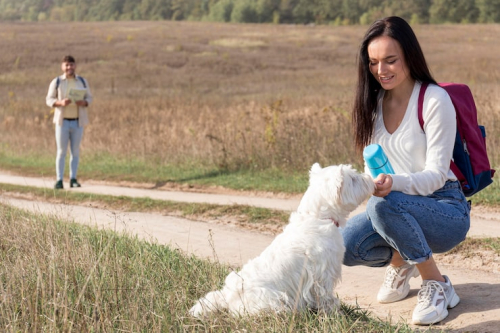
Puppyhood is a magical time full of play, cuddles, and mischief. But it’s also a key time in your dog’s development. Raising a confident puppy can nip many problem behaviors in the bud. By giving your new companion positive, structured experiences during the critical early months, you set them up for a lifetime of calm, curious adventures whether that means first steps beyond the front door or thriving in busy city streets.
Your dog’s daily struggles pulling, mealtime anxiety, or reactivity don’t just cause stress, they chip away at the joy of being together. At Prime Paw, our positive reinforcement-based programs meet your dog where they are and build confidence, connection, and real skills. Our tailored programs in-person classes, coaching, and online resources help you enjoy calmer walks, relaxed routines, and a deeper connection. Ready for lasting change? Schedule a Prime Paw consultation today!
Catch Your Puppy’s Socialization Window
Although dogs of any age can learn new things, puppies have a critical time period where their experiences have lifelong consequences. This puppy socialization window only lasts for the first three months of your puppy’s life. During that time, if your puppy forms a positive association with something, that will carry through to adulthood.
However, missed experiences have consequences too. The more positive encounters your puppy has in their first three months, the more self-assured they will be as an adult dog. For new puppy parents in San Francisco, this window is especially precious because every outing begins with careful planning to avoid overwhelm.
Introduce Your Puppy to New People
In their first weeks at home, you need to socialize your puppy to people of all different types. That will ensure that when your dog is an adult, they will see everybody as a friend. But that doesn’t mean overwhelming your puppy with lots of people at once. Have small puppy parties with just a few guests each time.
Allow your puppy to approach strangers rather than the other way around. This lets your puppy set the pace. Have the strangers reward your puppy’s interaction with praise and puppy treats or a bit of kibble. If you’ve already begun training simple behaviors, have the strangers ask your puppy to sit or lie down. Keep it positive, so your puppy enjoys the experience and builds confidence with meeting new people.
Introduce Your Puppy to Other Animals
It’s also important to socialize your puppy with other dogs. They need to meet all types of dogs: large, small, shaggy, hairless, and so on. And again, make those interactions pleasant for your puppy. Keep meetings one-on-one at first. Make sure you don’t let the other dog bully yours. However, it’s completely normal for an adult dog to put an overexuberant puppy in their place. Supervise all interactions and ensure both dogs are having a good time.
Don’t forget about other animals your dog might encounter, like cats or other household pets. Teach your puppy how to behave calmly around other pets and reward them for acting appropriately around those animals. This foundation of early positive exposure helps puppies develop into well-adjusted adults capable of handling real-world adventures.
Introduce Your Puppy to New Situations
The socialization window isn’t just for people and animals. It includes experiences, too, such as new environments, different noises, and strange surfaces. It’s important to build your puppy’s confidence in as many situations as possible. That way, when they encounter those things again as an adult, they will be relaxed rather than fearful. It’s a lot more work to shift your dog’s emotional response once they’re grown than to introduce them to the situation as a puppy in the first place.
Think about all the things your dog might face over their lifetime. Work as many of them into your socialization as you can. Start small and build up as your puppy gets comfortable. In other words, to help them tackle the stairs, take one step at a time, rather than expecting them to master the entire staircase at once. For sounds that are out of your control, consider exposing your puppy to a recording of the sound before the socialization window closes.
Teach Your Puppy How to Be Alone
An often-overlooked situation that puppies need to face is being by themselves. Although it’s tempting to spend every minute with a new pet, it’s essential to teach your puppy how to be alone. Otherwise, your dog will make their own fun: or even worse, develop separation anxiety.
Start with a safe confinement area like a dog crate or puppy playpen. Then leave your puppy inside for very short periods of time. Be sure to give them something fun to do while you’re not there, such as chewing on a food-stuffed toy. This not only builds positive associations with being alone but teaches your puppy appropriate alone-time activities. Slowly increase the amount of time you leave your puppy until they are calm and confident by themselves.
Teach Your Puppy to Be Comfortable with Restraint
Being attached to a leash, examined by a vet, or held by a groomer are all forms of restraint. And a dog that doesn’t feel comfortable being restrained is a dog that may react in fear.
Teach your puppy to feel relaxed during restraint with simple handling exercises. Start with gentle pats and pair each touch with a treat. Slowly increase the invasiveness of your handling until you can examine your puppy’s mouth, ears, and paws all while holding them still.
Allow Your Puppy to Set the Pace
No matter what new situation your puppy is facing, it’s important to avoid forcing them to go beyond their comfort level. One bad experience can set your puppy back and lead to problems down the road.
With patience, praise, encouragement, and rewards, most puppies will be confidently tackling new things in no time. However, if your puppy is overly anxious or shy, enlist the help of a dog trainer or behaviorist as soon as possible to boost your confidence-building program. Attending well-designed puppy classes gives puppies significantly more interactions with people, other dogs, and varied environments compared to those limited to home settings. These experiences help reduce nervousness around everyday stimuli like doorbells, vacuums, or strangers, while also lowering the risk of separation anxiety and fear-based behaviors later in life. Owners who participate in such programs often adopt positive reinforcement techniques, rewarding good behavior and redirecting unwanted actions instead of using punishment.
By prioritizing supervised play, gradual noise exposure, and handling exercises in classes, guardians can ensure their puppies develop into well-adjusted adults capable of handling real-world adventures. The key is quality over quantity focusing on safe, controlled settings that prevent overwhelming experiences while maximizing positive associations.
Putting It All Together: Your Puppy’s First Steps Outside
With the foundation built through early socialization, positive reinforcement, and gradual exposure, your puppy is ready to step confidently into the outside world. Begin with short, supervised outings in quiet neighborhoods. Use treats to reward calm leash manners and curiosity. As your puppy grows more comfortable, expand to busier areas with varied surfaces and sounds.
Remember: consistency and kindness are the most powerful tools. Your puppy learns best when every experience is safe, rewarding, and paced to their individual needs. In this way, you transform potential challenges into opportunities for growth, helping your new companion thrive confidently in San Francisco and beyond.
Raising a well-socialized puppy transforms potential challenges into opportunities for growth. Thoughtful early experiences during the critical first months pay dividends in long-term behavior, making daily walks, park visits, and social outings enjoyable rather than stressful. Investing in professional guidance during this window ensures your puppy grows into a confident, happy adult ready for anything life throws their way whether exploring Mission District streets or enjoying the great outdoors.
Studies highlight that puppies attending well-designed classes gain significantly more interactions with people, other dogs, and varied environments compared to those limited to home settings. These experiences help reduce nervousness around everyday stimuli like doorbells, vacuums, or strangers, while also lowering the risk of separation anxiety and fear-based behaviors later in life. Owners who participate in such programs often adopt positive reinforcement techniques, rewarding good behavior and redirecting unwanted actions instead of using punishment, which further strengthens the human-puppy bond and encourages eagerness to learn. This approach is particularly relevant for urban environments like San Francisco, where puppies must navigate busy streets, crowds, and diverse sounds. By prioritizing supervised play, gradual noise exposure, and handling exercises in classes, guardians can ensure their puppies develop into well-adjusted adults capable of handling real-world adventures. The key is quality over quantity focusing on safe, controlled settings that prevent overwhelming experiences while maximizing positive associations. For new puppy parents, investing in professional guidance during this window pays dividends in long-term behavior, making daily walks, park visits, and social outings enjoyable rather than stressful. Ultimately, thoughtful socialization transforms potential challenges into opportunities for growth, helping puppies thrive confidently beyond the safety of home.
Raising a puppy prepared for the outside world centers on capturing the critical socialization window in the first few months, when positive experiences shape lifelong attitudes toward novelty. Introducing puppies gradually to different people, animals, sounds, and settings helps them develop security and curiosity rather than fear. Small, controlled interactions such as puppy parties with a few guests or supervised neighborhood explorations build tolerance for diversity in appearances, movements, and voices. Pairing these with treats and play reinforces that new things are safe and rewarding. For those in cities, this includes exposure to traffic noises, crowds at safe distances, and varied walking surfaces to prepare for everyday outings. Confidence grows through consistency: short, successful sessions prevent overwhelm while encouraging exploration.
Owners play a vital role by modeling calm enthusiasm and providing recovery time after stimulating experiences. This foundation supports smoother transitions to group classes, park visits, and off-leash adventures later. Research and expert consensus agree that well-socialized puppies exhibit fewer fear responses and better problem-solving abilities as adults. By focusing on quality exposures tailored to the puppy’s responses, guardians create a resilient companion capable of handling the complexities of modern life. Whether addressing leash manners during first walks or building comfort around strangers, these early efforts yield calmer, happier dogs who enrich family experiences in the great outdoors.
Frequently Asked Questions
What is the puppy socialization window and why is it important for raising a confident dog?
The puppy socialization window is a critical period during the first three months of life when puppies are most receptive to new experiences. Positive exposure during this time helps shape long-term behavior and reduces fear of unfamiliar people, animals, and environments. Missing this window can make training more difficult later and may lead to anxiety or reactive behavior in adult dogs.
How do I safely socialize my puppy with new people and other dogs?
Start with small, controlled introductions such as meeting a few calm guests or one well-behaved dog at a time. Allow your puppy to approach at their own pace and reward calm interactions with treats and praise. Supervised, positive experiences help your puppy build confidence without becoming overwhelmed or developing fear-based reactions.
How can I prepare my puppy for outdoor walks, new environments, and being alone?
Begin with short, low-stress outings in quiet areas and gradually introduce more stimulating environments as your puppy becomes comfortable. Pair new sights, sounds, and surfaces with rewards to build positive associations. Also practice short periods of alone time using a crate or playpen with enrichment toys to help prevent separation anxiety and build independence.
Disclaimer: The above helpful resources content contains personal opinions and experiences. The information provided is for general knowledge and does not constitute professional advice.
You may also be interested in: Dog Training in 2026 Focuses on Trust and Joyful Learning
Your dog’s daily struggles pulling, mealtime anxiety, or reactivity don’t just cause stress, they chip away at the joy of being together. At Prime Paw, our positive reinforcement-based programs meet your dog where they are and build confidence, connection, and real skills. Our tailored programs in-person classes, coaching, and online resources help you enjoy calmer walks, relaxed routines, and a deeper connection. Ready for lasting change? Schedule a Prime Paw consultation today!
Powered by flareAI.co