
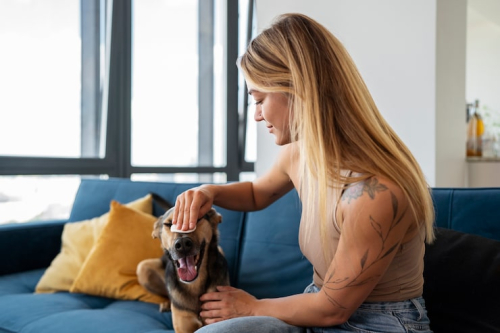
Your lively young pup has once again turned the living room into a battlefield of shredded paper and toppled houseplants, all while you were just out for a quick errand. It’s a scene that plays out daily in San Francisco’s Mission District, Potrero Hill, and beyond well-meaning dogs channeling their endless energy into destructive habits simply because their minds are under-stimulated. But what if the key to calmer days wasn’t more reprimands or crate time, but smarter ways to engage their brains? Mental stimulation methods reduce common destructive behaviors in young dogs and reveal how targeted mental workouts can transform these everyday frustrations into opportunities for deeper trust, genuine joy, and noticeably better behavior.
Your dog’s daily struggles pulling, mealtime anxiety, or reactivity don’t just cause stress, they chip away at the joy of being together. At Prime Paw, our positive reinforcement-based programs meet your dog where they are and build confidence, connection, and real skills. Our tailored programs in-person classes, coaching, and online resources help you enjoy calmer walks, relaxed routines, and a deeper connection. Ready for lasting change? Schedule a Prime Paw consultation today!
Why Young Dogs Turn to Destruction in the First Place
Puppies aren’t being “bad” when they chew baseboards or dig at rugs. They are wired by nature to explore, problem-solve, and burn off energy in creative ways. Without purposeful outlets for that natural curiosity, the drive spills over into whatever happens to be within reach shoes left by the door, furniture legs, or even the edges of couch cushions. In the compact urban living of SoMa or Bernal Heights, where busy schedules often shorten daily walks and open space is limited, this gap between instinct and environment stands out sharply. Destructive behaviors are more than an annoyance; they are clear signals of unmet needs for both physical movement and mental engagement.
When left unaddressed, these patterns can quietly erode the very relationship owners hope to strengthen with their new companions. The encouraging reality is that many of these issues share the same underlying cause: simple boredom. Offer a young dog meaningful mental challenges, and the impulse to destroy frequently gives way to a sense of satisfaction and calm that lasts well beyond the activity itself.
The Science of Mental Stimulation and Behavior Change
Dogs inherit from their wolf ancestors a deep need for mental tasks that mirror foraging, hunting, and social problem-solving. When their minds stay actively engaged, stress hormones naturally decline while feel-good chemicals increase, creating a calmer and more balanced state. Positive reinforcement training builds on this foundation by rewarding the behaviors owners want to see instead of punishing mistakes, helping puppies become confident learners who link good choices with pleasure rather than fear or confusion.
Research continues to demonstrate that mental enrichment lowers anxiety-related actions far more reliably than physical exercise on its own. A puppy whose brain has been thoughtfully exercised is simply a calmer puppy, far less prone to barking at every shadow or shredding pillows during the workday. This method fits seamlessly with the rising focus on customized pet care. As disposable incomes increase, pet owners are more willing to spend on premium and customized services that enhance their pet’s comfort and lifestyle, including personalized training programs that support emotional well-being alongside physical health.
Proven Mental Stimulation Methods That Actually Work
The most effective techniques require no elaborate equipment and fit easily into daily routines, whether you live in a Castro District apartment or enjoy a small Noe Valley backyard. What matters most is choosing activities that match your puppy’s energy and personality while keeping sessions short and rewarding.
- Food puzzles and slow feeders: Transform ordinary mealtime into an engaging puzzle. Scatter kibble inside a muffin tin and cover the cups with tennis balls, or select commercial puzzle toys that demand paw work and nose nudging. The dog earns dinner through effort, satisfying ancient hunting instincts and preventing gulping that can lead to digestive upset.
- Scent games: Hide small treats throughout a room or use a snuffle mat to encourage natural sniffing. This taps directly into the puppy’s strongest sense and exhausts mental energy faster than a vigorous game of tug-of-war ever could.
- Training games with a twist: Move beyond basic “sit” drills to quick, playful challenges such as “find it” or “which hand holds the treat.” These brief sessions sharpen focus, reinforce positive reinforcement principles, and never feel like chores.
- Interactive toys that dispense rewards: Stuff a Kong with frozen peanut butter or use rolling treat balls that release kibble as they move. Many puppies stay occupied and content for twenty to thirty minutes, giving owners a peaceful window to enjoy a cup of coffee or handle household tasks.
- Simple obstacle courses at home: Arrange cushions, cardboard boxes, and low household items into a safe mini agility layout. Supervised exploration builds physical confidence, coordination, and mental resilience at the same time.
Consistency proves far more powerful than complexity. Just ten minutes of deliberate mental play each day often outperforms a full hour of unstructured yard time when the goal is reducing chewing, digging, and other unwanted habits.
Combining Training and Socialization in One Safe Space
One of the most intelligent strategies blends mental stimulation directly with gentle socialization rather than treating them as separate tasks. Experienced trainers create controlled settings where puppies practice impulse control while interacting safely with others, all guided by positive reinforcement. This integrated method stops the kind of isolation that commonly sparks anxiety and later destructive episodes.
Across San Francisco’s energetic dog communities from Dogpatch to the Castro local specialists have perfected this combined model. PrimePaw, a San Francisco–based dog training and enrichment company specializing in positive reinforcement (R+)–based canine education and care, builds strong, happy relationships through science-backed methods that emphasize trust, confidence, and joyful learning rather than force. The result is puppies who develop self-control in real-world social situations while their minds stay happily occupied.
Personalized Plans That Fit Real Lives and Real Dogs
No two puppies are identical. The activities that settle one energetic herding breed may overwhelm a more sensitive companion. Personalized programs, shaped around each dog’s individual behavior, energy level, and learning style, consistently outperform generic classes. Trainers watch closely, read body language, and adjust every session to match the unique needs in front of them.
PrimePaw’s distinctive strengths stand out clearly: personalized puppy training based on each dog’s behavior and needs, training plus socialization in one safe, supervised location, and positive reinforcement methods delivered by experienced trainers. These features directly answer the questions many owners raise about cost, doubts about lasting results, and concerns over fitting classes into demanding schedules.
When every session feels efficient, productive, and even fun, the usual obstacles shrink. Owners quickly realize that a modest investment of focused time today prevents far larger headaches and expenses later.
Addressing the Objections Head-On
San Francisco dog parents often pause for very practical reasons. Some worry the investment feels too expensive, yet the long-term cost of replacing chewed furniture or managing chronic stress usually proves higher. Others ask whether the training will truly work for their particular puppy; decades of behavioral science confirm that positive reinforcement, when practiced steadily, reshapes habits without damaging confidence or spirit. The frequent “I simply don’t have time” concern fades once classes merge mental stimulation and socialization into single, high-value sessions offered at convenient neighborhood spots across Mission District, Potrero Hill, and surrounding areas.
The payoff is unmistakable: puppies who behave better and feel happier, paired with owners who experience connection instead of constant correction.
Building Lasting Bonds Through Joyful Learning
Mental stimulation reaches beyond stopping unwanted habits. It creates repeated moments of shared delight between dog and owner. See a puppy’s eyes brighten as they solve a puzzle or master a new game, and the relationship deepens visibly. These small victories foster the confidence that carries into everyday situations from calm vet visits to relaxed neighborhood walks through Bernal Heights.
In a city where dogs are true family members, this style of engagement matches daily life beautifully. Busy professionals in SoMa and families in Noe Valley can weave quick brain games into morning routines or evening wind-downs, converting what might have been chaos into steady, enjoyable companionship.
Final Thoughts: A Calmer Puppy Is Within Reach
The next time your young dog eyes the coffee table leg with that familiar glint of mischief, pause before grabbing the deterrent spray. Instead, offer a puzzle toy or launch a quick five-minute scent hunt. Over weeks and months, these modest mental investments deliver fewer ruined belongings and far more tranquil evenings at home. For those who want guided support, local programs rooted in positive reinforcement and truly personalized attention make the entire process smoother, more effective, and genuinely rewarding.
Dogs do not ask for perfection; they simply need meaningful engagement. By giving their minds the same attention we give their bodies, we unlock calmer, happier companions and relationships that grow stronger every day. Right here in San Francisco’s tight-knit dog community, that positive shift can begin today one thoughtful activity at a time.
For practical tips and community stories, PrimePaw regularly shares real-world advice on Instagram and Facebook, drawn from trainers who live and work in the same neighborhoods you do.
Frequently Asked Questions
What mental stimulation methods help reduce destructive behavior in puppies?
Effective mental stimulation methods include food puzzles and slow feeders, scent games using snuffle mats or hidden treats, interactive treat-dispensing toys like frozen Kongs, and short training games such as “find it” or “which hand holds the treat.” Simple DIY obstacle courses using cushions and cardboard boxes also build focus and coordination. Just 10 minutes of intentional mental play per day can outperform an hour of unstructured exercise when it comes to curbing chewing, digging, and other destructive habits.
Why do young dogs engage in destructive behaviors like chewing and digging?
Young dogs chew, dig, and shred household items not out of defiance, but because they are naturally wired to explore, problem-solve, and burn mental energy. When their environment doesn’t provide enough stimulation especially in urban settings with limited space and shorter walks that instinctive drive spills over into whatever is nearby. Destructive behavior is essentially a signal of unmet mental and physical needs, and addressing boredom with purposeful enrichment activities is often the most effective solution.
Is positive reinforcement training effective for puppies with behavioral problems?
Yes decades of behavioral science confirm that positive reinforcement training reliably reshapes unwanted habits without damaging a puppy’s confidence or spirit. By rewarding desired behaviors instead of punishing mistakes, puppies learn to associate good choices with pleasure, making them more confident and willing learners. Research also shows that combining mental enrichment with socialization in a single supervised setting is especially powerful, as it reduces isolation-related anxiety while building impulse control in real-world situations.
Disclaimer: The above helpful resources content contains personal opinions and experiences. The information provided is for general knowledge and does not constitute professional advice.
You may also be interested in: Trainers Evaluate Methods for Reducing Separation Anxiety Without Medication
Your dog’s daily struggles pulling, mealtime anxiety, or reactivity don’t just cause stress, they chip away at the joy of being together. At Prime Paw, our positive reinforcement-based programs meet your dog where they are and build confidence, connection, and real skills. Our tailored programs in-person classes, coaching, and online resources help you enjoy calmer walks, relaxed routines, and a deeper connection. Ready for lasting change? Schedule a Prime Paw consultation today!
Powered by flareAI.co