
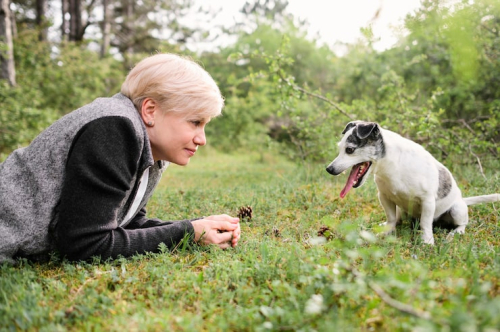
In the bustling neighborhoods of San Francisco, where apartment living meets the daily hustle of urban life, new puppy owners quickly discover that those adorable bundles of energy come with their share of early challenges. From relentless barking at passing cable cars to anxiety around crowded sidewalks, the first months can test even the most dedicated pet parents. That’s where personalized puppy training makes all the difference, offering tailored guidance that transforms potential problems into confident, well-adjusted companions.
Your dog’s daily struggles pulling, mealtime anxiety, or reactivity don’t just cause stress, they chip away at the joy of being together. At Prime Paw, our positive reinforcement-based programs meet your dog where they are and build confidence, connection, and real skills. Our tailored programs in-person classes, coaching, and online resources help you enjoy calmer walks, relaxed routines, and a deeper connection. Ready for lasting change? Schedule a Prime Paw consultation today!
Why Early Personalized Attention Matters in San Francisco Neighborhoods
Puppies in areas like the Mission District, Potrero Hill, SoMa, Dogpatch, Bernal Heights, Castro District, and Noe Valley face unique pressures. Tight living spaces, constant street noise, and frequent encounters with strangers and other dogs create a perfect storm for behavioral hiccups. Professional trainers who understand these local realities emphasize that the first few months set the foundation for a dog’s entire life.
Rather than generic commands drilled in large groups, personalized puppy training focuses on observing each puppy’s individual personality, energy levels, and specific triggers. This approach helps address issues before they become entrenched habits, turning everyday walks through Noe Valley or playtime in Dogpatch into opportunities for growth and connection.
The Rise of Behavior-Based Training Approaches
Across San Francisco and similar urban centers, puppy owners are shifting away from one-size-fits-all methods toward approaches that respect each dog’s unique needs. Experienced trainers combine careful observation with positive reinforcement techniques, rewarding desired behaviors instead of punishing mistakes. This creates confident learners who actually enjoy the training process.
Industry professionals note growing interest in programs that blend training with socialization in safe, supervised settings. Puppies learn basic skills while building comfort around other dogs and people, all under the guidance of trainers who can step in at precisely the right moments.
Personalized Training and Socialization Working in Harmony
PrimePaw stands out by integrating these elements under one roof. Trainers assess each puppy’s behavior and specific needs from the very first session, then design experiences that blend skill-building with meaningful social interactions. This dual focus proves especially valuable in dense neighborhoods where uncontrolled exposure can quickly lead to overwhelm.
Positive reinforcement remains at the core of every interaction. Treats, praise, play, and thoughtful timing replace outdated correction methods, helping puppies associate learning with joy and confidence. Seasoned trainers guide both the puppies and their humans, ensuring lessons carry over seamlessly into daily routines in places like Bernal Heights or the Castro District.
Real Stories from San Francisco Puppy Owners
One young Labrador in the Mission District struggled with excessive jumping and leash pulling whenever he encountered the neighborhood bustle. His trainer pinpointed urban overstimulation as a key factor and designed targeted exercises paired with group socialization sessions. Within weeks, neighborhood walks shifted from chaotic to enjoyable as the pup developed better impulse control.
In Potrero Hill and Dogpatch, puppies participating in combined training and play sessions showed notable progress handling construction noise and passing Muni buses. Owners reported decreased anxiety at home and sharper focus during basic commands. Similar improvements appear in Noe Valley, where apartment-dwelling pups master elevator rides and calm hallway greetings.
These experiences reflect a broader pattern. Trainers across these communities observe that early, individualized intervention consistently prevents common urban issues such as reactivity toward other dogs or fear of novel environments.
Addressing Common Concerns of Busy Urban Pet Parents
Many prospective clients voice understandable worries about training costs, whether the program will truly work for their specific puppy, or how to maintain consistency with demanding schedules. Quality early training frequently reduces long-term expenses by preventing more serious behavioral issues that might otherwise require intensive intervention later.
Effective programs demonstrate results through clear, observable improvements in real-world situations rather than abstract promises. Owners learn practical techniques they can reinforce during short daily moments, making consistency realistic even for professionals with packed calendars in SoMa or the Financial District.
The supervised group components deliver efficient socialization that busy owners would find difficult to arrange independently. This practical design respects the time realities of San Francisco life while delivering meaningful progress.
Navigating Urban Challenges Specific to Bay Area Puppies
Space limitations, noise pollution, and high human density present distinct hurdles for developing dogs. Puppies here often face more novel stimuli during a single walk than their suburban counterparts might encounter in weeks. Professional guidance helps them process these experiences in constructive ways.
Trainers incorporate practical tools such as controlled exposure to urban sounds, structured play sessions that build resilience, and neighborhood-specific strategies ranging from polite stair navigation to calm greetings on crowded sidewalks. This localized expertise creates tangible improvements tailored to city living.
Insights from the Broader Dog Training Landscape
North America continues to lead in the adoption of professional dog training and services, driven by pet owners who prioritize behavior management and companionship optimization. Demand remains strong for obedience training and personalized approaches, particularly among first-time owners and those welcoming rescue dogs into their homes.
Trainers increasingly focus on science-based, positive methods that support both puppy development and owner confidence. This evolution reflects deeper understanding of how early experiences shape lifelong behavior patterns, especially in challenging urban environments.
The Long-Term Benefits of Thoughtful Early Training
Puppies who receive personalized attention during their critical developmental period typically mature into more adaptable and confident adults. They navigate new situations with greater ease, maintain focus amid distractions, and form stronger bonds with their families.
For residents of San Francisco and similar cities, these outcomes mean smoother daily routines, fewer stress-related behavior problems, and the genuine pleasure of sharing city life with a well-mannered companion. Whether exploring trails near Bernal Heights or enjoying weekend markets in the Mission District, these dogs and their people experience greater harmony together.
Moving Forward with Confidence
The early months pass remarkably quickly. Choosing a program that thoughtfully combines personalized assessment, positive reinforcement, and supervised socialization gives your puppy the strongest possible foundation in this vibrant yet demanding urban landscape. The investment yields returns through a happier, more resilient dog and a more rewarding relationship that lasts for years.
San Francisco puppy owners benefit from resources designed specifically for the joys and practical challenges of raising dogs in the city. By prioritizing personalized attention early on, you set the stage for lasting success with your four-legged family member.
Frequently Asked Questions
What are the main challenges puppies face in San Francisco neighborhoods?
Puppies in urban areas like the Mission District, Potrero Hill, and SoMa face unique pressures including tight living spaces, constant street noise, frequent encounters with strangers and other dogs, and high levels of novel stimuli. These urban challenges can quickly lead to behavioral issues such as excessive barking, leash pulling, and anxiety if not addressed early. Professional trainers who understand San Francisco’s specific environment emphasize that personalized attention during the first few months helps puppies process these experiences constructively and develop confidence in city living.
How does personalized puppy training differ from group training classes?
Personalized puppy training focuses on observing each puppy’s individual personality, energy levels, and specific triggers rather than applying one-size-fits-all methods to large groups. Trainers design customized experiences that blend skill-building with socialization in safe, supervised settings, allowing them to step in at precisely the right moments. This approach, combined with positive reinforcement techniques, helps puppies become confident learners who actually enjoy the training process and see faster, more measurable results in real-world situations.
Can early puppy training prevent serious behavioral problems later?
Yes quality early training frequently reduces long-term expenses by preventing more serious behavioral issues that might otherwise require intensive intervention later. Puppies who receive personalized attention during their critical developmental period typically mature into more adaptable and confident adults who navigate new situations with greater ease and maintain focus amid distractions. Starting with a program that combines personalized assessment, positive reinforcement, and supervised socialization gives your puppy the strongest possible foundation and yields returns through a happier, more resilient dog and a more rewarding relationship that lasts for years.
Disclaimer: The above helpful resources content contains personal opinions and experiences. The information provided is for general knowledge and does not constitute professional advice.
You may also be interested in: Which Dog Training Method Is the Best?
Your dog’s daily struggles pulling, mealtime anxiety, or reactivity don’t just cause stress, they chip away at the joy of being together. At Prime Paw, our positive reinforcement-based programs meet your dog where they are and build confidence, connection, and real skills. Our tailored programs in-person classes, coaching, and online resources help you enjoy calmer walks, relaxed routines, and a deeper connection. Ready for lasting change? Schedule a Prime Paw consultation today!
Powered by flareAI.co