
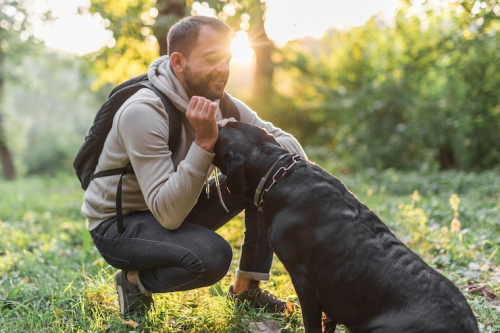
In the sun-dappled parks of San Francisco’s Mission District or along the hilly paths of Potrero Hill, puppy owners know the daily dance all too well: the excited tug on the leash, the sudden zoomies at the sight of another dog, the occasional forgotten recall command. For many in neighborhoods like SoMa, Dogpatch, Bernal Heights, the Castro District, Noe Valley, and beyond, raising a well-mannered companion can feel like a full-time job. Yet the solution is simpler and more effective than most realize. positive reinforcement dog training has quietly become the preferred method for turning chaotic pups into confident, happy companions and it’s reshaping how Californians approach pet parenting every day.
Your dog’s daily struggles pulling, mealtime anxiety, or reactivity don’t just cause stress, they chip away at the joy of being together. At Prime Paw, our positive reinforcement-based programs meet your dog where they are and build confidence, connection, and real skills. Our tailored programs in-person classes, coaching, and online resources help you enjoy calmer walks, relaxed routines, and a deeper connection. Ready for lasting change? Schedule a Prime Paw consultation today!
What Is Positive Reinforcement Dog Training?
At its core, positive reinforcement is exactly what the name suggests: rewarding the behaviors you want to see more of, rather than punishing the ones you don’t. Trainers use treats, praise, toys, or playtime the moment a puppy sits instead of jumps, walks calmly on leash instead of pulling, or comes when called. The science is straightforward dogs repeat what earns them good things. This method builds trust rather than fear, creating a bond that lasts a lifetime.
Unlike older, dominance-based approaches that relied on corrections or intimidation, positive reinforcement focuses on encouragement. It works for every breed and every age, from bouncy eight-week-old Labradors in Bernal Heights to slightly older rescue mixes adjusting to life in the Castro. The beauty lies in its simplicity: anyone can learn the basics, yet the results feel almost magical when applied consistently. Owners in these vibrant San Francisco neighborhoods quickly discover that this approach turns everyday interactions into opportunities for learning and connection.
Why Positive Reinforcement Outshines Traditional Methods
Traditional training often leaned on force or fear, which could suppress behavior temporarily but rarely solved the root issue. Dogs trained that way might comply out of anxiety, not understanding. Positive reinforcement flips the script. It teaches puppies to make good choices because those choices feel rewarding, not scary.
Owners notice calmer walks through SoMa streets, fewer reactive outbursts at dog-friendly patios in Dogpatch, and genuine eagerness to learn. The method also reduces stress for both ends of the leash. Puppies stay enthusiastic about training sessions, and humans avoid the guilt that comes with harsher techniques. In a city as energetic as San Francisco, where dogs accompany owners everywhere from Noe Valley coffee shops to Bernal Heights hikes, this kinder approach simply fits the lifestyle better. It fosters genuine cooperation instead of reluctant obedience, making every outing more enjoyable and stress-free.
The Rising Demand for Professional Dog Training in North America
Dog owners today are more committed than ever to giving their pets the best start possible. Recent industry analysis shows the global dog training services market was valued at USD 3.53 billion in 2024, with North America leading the charge. That growth reflects a broader shift: people see training not as a luxury but as an essential part of responsible pet ownership. In San Francisco, where apartments are compact and sidewalks busy, the need for well-mannered dogs has never been clearer. This demand highlights how urban pet parents are turning to proven methods that deliver real results without overwhelming busy schedules.
PrimePaw’s Personalized Approach: Training That Fits Your Puppy’s Unique Personality
What sets effective programs apart is their willingness to meet each dog exactly where it is. Personalized puppy training based on each dog’s behavior and needs delivers faster progress because it skips the one-size-fits-all script. Some puppies need extra help with focus amid city distractions; others thrive once they learn to channel their energy through games. Experienced trainers read the subtle signals tail position, ear set, energy level and adjust on the spot.
This tailored method respects that every pup is an individual. A shy rescue from the Castro District might require gentle confidence-building, while a high-drive herding mix from Potrero Hill benefits from structured play that burns off steam without chaos. The result? Owners see real change in weeks, not months. By focusing on positive reinforcement methods with experienced trainers, PrimePaw ensures each session feels supportive and effective for the specific challenges San Francisco puppies face every day.
Training Plus Socialization in One Safe, Supervised Location
One of the smartest efficiencies in modern puppy classes is combining training with socialization under careful supervision. Instead of rushing between separate playgroups and lessons, dogs learn commands while practicing polite greetings, calm body language, and appropriate play all in a controlled environment designed with safety first.
In San Francisco’s variable weather and dense urban setting, having a dedicated indoor-outdoor space removes the guesswork. Puppies practice recall while other dogs mill about at a distance. They learn to ignore tempting scents or sudden noises without the risk of an uncontrolled encounter. Owners leave sessions feeling relieved rather than exhausted, knowing their pup gained both skills and confidence in a single visit. This integrated approach makes training more practical for busy lives across the Mission District, SoMa, and neighboring communities.
Overcoming the Most Common Objections
Many first-time owners hesitate for three familiar reasons. The first is concern about training cost. Yet when you consider the alternative replacing chewed furniture, dealing with ongoing stress, or facing behavioral issues that limit where you can take your dog the investment quickly pays for itself in peace of mind and quality of life.
The second doubt is whether training will actually work for their particular puppy. Positive reinforcement has a proven track record across thousands of dogs precisely because it works with natural canine learning rather than against it. Progress might look different for each animal, but the method rarely fails when followed with consistency.
The third barrier is lack of time to attend classes consistently. Busy professionals in SoMa or parents in Noe Valley appreciate programs that respect real schedules. Weekly sessions that bundle training and socialization cut down on travel and decision fatigue, making it easier to stay committed without rearranging life entirely. These practical solutions address the real concerns San Francisco pet owners face daily.
Practical Ways to Reinforce Training at Home
- Capture the good stuff. Keep treats handy and reward the moment your puppy chooses to sit instead of jump when guests arrive.
- Keep sessions short and fun. Five minutes several times a day beats one long, frustrating session.
- Use life rewards. Opening the door for a walk or tossing a favorite toy can be just as powerful as food once your dog understands the game.
- Stay consistent across the household. Everyone from kids in Bernal Heights apartments to roommates in the Mission should use the same cues and rewards.
These simple strategies turn ordinary moments into powerful training opportunities, helping puppies in San Francisco’s lively neighborhoods build solid habits without extra effort.
The Long-Term Payoff for Dogs and Their People
Puppies trained with positive reinforcement grow into adults who are more resilient, confident, and genuinely happy. They handle the unpredictable sounds of city buses or the excitement of weekend hikes in the hills with less anxiety. Owners report deeper bonds, easier vet visits, and the simple joy of watching their dog make good choices unprompted.
In a place like San Francisco, where dogs are woven into daily life, that reliability opens doors literally. More café patios, more trail adventures, more spontaneous moments of connection. The training becomes less about fixing problems and more about unlocking potential. Families and professionals alike discover that investing in this approach creates companions who enrich every aspect of urban living, from quiet evenings in the Castro to bustling weekends in Dogpatch.
Final Thoughts: A Gentler Path Forward
Positive reinforcement dog training isn’t a passing trend; it’s a return to understanding dogs on their own terms. For owners across San Francisco’s vibrant neighborhoods, it offers a practical, science-backed way to raise puppies that are a pleasure to live with and a joy to share with the community. The methods are accessible, the results are lasting, and the journey itself strengthens the human-canine bond in ways no other approach can match.
If your puppy is still figuring out the rules of city living, consider giving positive reinforcement a serious look. The payoff isn’t just better behavior it’s a happier dog and a more relaxed owner, ready to enjoy every walk, every park visit, and every quiet moment at home together. Your future self and your dog will thank you for choosing this thoughtful, effective path.
Frequently Asked Questions
What is positive reinforcement dog training and how does it work?
Positive reinforcement dog training is a science-backed method that rewards desired behaviors using treats, praise, toys, or playtime the moment they occur, rather than punishing unwanted ones. Dogs naturally repeat actions that earn them good things, so this approach builds lasting habits rooted in trust rather than fear. It works for every breed and age, from young puppies to adult rescue dogs, and turns everyday interactions into learning opportunities.
Is positive reinforcement dog training more effective than traditional methods?
Yes positive reinforcement consistently outperforms older, dominance-based methods that relied on corrections or intimidation. Traditional techniques may suppress behavior temporarily, but dogs trained that way often comply out of anxiety rather than genuine understanding. Positive reinforcement teaches dogs to make good choices because those choices feel rewarding, resulting in calmer behavior, greater enthusiasm for training sessions, and a stronger bond between dog and owner.
How long does it take to see results from positive reinforcement puppy training?
With a personalized approach tailored to a puppy’s individual personality and needs, owners typically begin seeing meaningful progress within weeks rather than months. Short, frequent sessions ideally five minutes several times a day are more effective than long, infrequent ones. Consistency across the whole household and integrating training into daily routines (like walks and mealtimes) accelerates results significantly.
Disclaimer: The above helpful resources content contains personal opinions and experiences. The information provided is for general knowledge and does not constitute professional advice.
You may also be interested in: Trainers Evaluate Methods for Reducing Separation Anxiety Without Medication
Your dog’s daily struggles pulling, mealtime anxiety, or reactivity don’t just cause stress, they chip away at the joy of being together. At Prime Paw, our positive reinforcement-based programs meet your dog where they are and build confidence, connection, and real skills. Our tailored programs in-person classes, coaching, and online resources help you enjoy calmer walks, relaxed routines, and a deeper connection. Ready for lasting change? Schedule a Prime Paw consultation today!
Powered by flareAI.co