
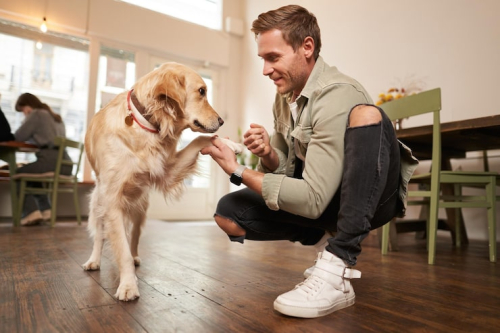
In the vibrant streets of San Francisco’s Mission District, where the aroma of fresh coffee mingles with the sounds of excited puppies on their morning walks, a meaningful shift is underway in how residents approach puppy development. Busy professionals in neighborhoods like Potrero Hill, SoMa, and Dogpatch are turning to positive reinforcement training to build confident, well-adjusted companions. This humane method, rooted in understanding each dog’s individual behavior, delivers stronger results than traditional approaches by fostering trust, motivation, and lasting behavioral change.
Your dog’s daily struggles pulling, mealtime anxiety, or reactivity don’t just cause stress, they chip away at the joy of being together. At Prime Paw, our positive reinforcement-based programs meet your dog where they are and build confidence, connection, and real skills. Our tailored programs in-person classes, coaching, and online resources help you enjoy calmer walks, relaxed routines, and a deeper connection. Ready for lasting change? Schedule a Prime Paw consultation today!
Why Positive Reinforcement Training Resonates Deeply in Urban San Francisco
City living presents distinct challenges for puppy owners. Compact apartments, bustling sidewalks, and the need for reliable manners around crowds demand dogs that feel secure and responsive rather than anxious or reactive. Many traditional correction-based methods can heighten stress in young dogs, particularly in high-energy environments common across Bernal Heights and the Castro District.
Positive reinforcement flips this dynamic. By rewarding desired behaviors with treats, praise, play, or affection, trainers help puppies associate good choices with positive outcomes. This builds enthusiasm for learning and strengthens the human-canine bond. Local trainers consistently observe that puppies in Noe Valley and surrounding areas show quicker progress when training respects their natural curiosity and social needs.
The Evolution Toward Partnership-Based Training Methods
Across San Francisco, puppy owners increasingly favor evidence-based approaches grounded in behavioral science over outdated dominance techniques. This transition reflects growing awareness that dogs learn most effectively when they feel safe, supported, and motivated to participate.
One particularly effective trend involves programs that blend structured training with supervised socialization. In controlled, safe environments, puppies practice essential life skills such as calm greetings, reliable recall, and appropriate play while interacting with others. This combination minimizes risks associated with random dog park encounters and accelerates social development. Experienced trainers customize every aspect to match the puppy’s unique personality, whether working with an energetic mix in Potrero Hill or a more thoughtful companion in quieter Noe Valley settings.
Personalized Puppy Training Tailored to Individual Needs
What distinguishes truly effective programs is their commitment to personalization. Skilled trainers begin by observing each puppy’s specific behaviors, temperament, and learning style before crafting a customized plan that evolves as the dog grows. This individualized strategy proves especially valuable for addressing common urban issues like leash reactivity during Mission District strolls or separation concerns in apartment homes.
PrimePaw stands out through its focus on personalized puppy training based on each dog’s behavior and needs. Their approach integrates training with socialization opportunities in secure, supervised locations using exclusively positive reinforcement methods delivered by experienced trainers. This model fits the realities of San Francisco professionals who need efficient, results-oriented solutions that complement demanding schedules.
Real-World Transformations in Local Neighborhoods
Consider a Labrador puppy in Noe Valley whose family struggled with overly enthusiastic greetings and inconsistent recall. Within eight weeks of consistent positive reinforcement sessions, noticeable improvements emerged. The young dog learned to check in with handlers amid distractions, leading to safer and more enjoyable neighborhood adventures.
Similar success stories appear regularly in Bernal Heights and the Castro District. Puppies once prone to overwhelming visitors now demonstrate improved focus and reduced reactivity. Training that emphasizes choice, clear communication, and reward-based learning helps these dogs develop confidence without force. Supervised group sessions allow puppies to practice real-world skills in manageable steps, creating patterns of success that carry over into daily life.
The Science Supporting Positive Reinforcement Success
At its core, positive reinforcement aligns with how dogs naturally learn. Rewarding good decisions triggers the release of feel-good neurotransmitters, reinforcing neural pathways linked to calm, cooperative behavior. The result is an eager participant rather than a reluctant or fearful learner.
Trainers working in dense urban settings emphasize that consistency and timing matter far more than session length. Short, engaging activities that fit into busy calendars whether a midday session in Dogpatch or an evening group class in the Mission often yield superior long-term retention compared to infrequent, stressful efforts.
Addressing Common Concerns of San Francisco Puppy Parents
Prospective clients frequently voice understandable hesitations. Cost ranks high among concerns in an expensive city, yet quality programs frame training as a strategic investment that prevents more significant future issues, such as persistent behavior problems or rehoming stress. Flexible options, including group classes, help make professional guidance accessible.
Another common doubt centers on whether the methods will work for a particular puppy. Positive reinforcement excels here because of its adaptability. It succeeds across breeds, ages, and personalities by meeting each dog at their current level and adjusting rewards to their unique motivations.
Time limitations represent perhaps the most pressing challenge for working owners. The most practical programs solve this by combining training and socialization efficiently. Participants also receive straightforward home exercises that reinforce classroom gains without demanding extensive daily time commitments.
Market Context and Growing Demand for Quality Dog Training
Across the United States, interest in professional dog training services continues to expand as more households recognize the value of early, positive intervention. The U.S. pet services sector, which includes training alongside boarding, sitting, and grooming, reflects strong consumer prioritization of pet well-being and lifestyle enhancement. Leading providers focus on delivering practical, results-driven support that fits modern family needs.
Selecting the Right Training Program in Your Neighborhood
When evaluating options throughout San Francisco, prioritize trainers who specialize in evidence-based positive reinforcement and provide supervised socialization. Look for professionals who excel at reading subtle canine body language and adjusting plans in real time. Important quality markers include robust safety protocols, appropriately small class sizes, and transparent progress tracking.
Neighborhood nuances deserve attention as well. Puppies in hillier zones like Bernal Heights benefit from confidence-building exercises on varied terrain, while those in busier districts such as SoMa require additional practice managing urban distractions and noise.
Lasting Benefits for Puppies and Their Families
Puppies developed through positive reinforcement typically display stronger impulse control, deeper bonds with their people, and superior adaptability to new experiences. For owners, this translates into more pleasurable daily walks, calmer home environments, and greater confidence in their dog’s ability to handle city life.
In a community that prizes both innovation and compassion, San Francisco dog lovers have embraced these methods with enthusiasm. The outcome extends beyond obedience commands to create more harmonious households built on mutual respect and genuine partnership.
As families across the Mission District, Potrero Hill, Dogpatch, and neighboring areas witness these positive changes, the effectiveness of this approach becomes increasingly evident. Positive reinforcement offers a practical, science-aligned pathway that honors each puppy’s individuality while accommodating the pace of contemporary urban living.
Final Thoughts: Building a Strong Foundation for City Life
Raising a puppy in San Francisco always involves its share of hurdles, yet the right training philosophy transforms those challenges into opportunities for connection and growth. By emphasizing positive reinforcement, personalization, and safe, supervised socialization, owners equip their dogs with the skills needed for a fulfilling life in the city.
Whether watching your puppy master new abilities during a Dogpatch session or enjoying relaxed evenings together in Noe Valley, the results speak clearly. This method produces confident, happy dogs and strengthens the special relationship between pets and their people one rewarding interaction at a time.
Frequently Asked Questions
Why is positive reinforcement training more effective than traditional correction-based methods for puppies?
Positive reinforcement training works by rewarding desired behaviors with treats, praise, or play, which triggers feel-good neurotransmitters and reinforces neural pathways linked to calm, cooperative behavior. Unlike correction-based methods that can heighten stress and anxiety especially in busy urban environments positive reinforcement builds enthusiasm for learning and strengthens the human-canine bond. Dogs trained this way become eager participants rather than reluctant or fearful learners, leading to faster progress and longer-lasting behavioral change.
How does positive reinforcement puppy training address the unique challenges of city living in San Francisco?
Urban environments like San Francisco present specific hurdles for puppies, including crowded sidewalks, compact apartments, and constant noise and distractions. Positive reinforcement programs tackle these by blending structured training with supervised socialization in controlled, safe settings, teaching puppies skills like calm greetings, reliable recall, and leash manners in real-world conditions. Personalized plans are tailored to each dog’s temperament and neighborhood for example, confidence-building on hilly terrain in Bernal Heights or distraction management in busier areas like SoMa.
How long does it take to see results from positive reinforcement puppy training?
Results can emerge in as little as eight weeks of consistent positive reinforcement sessions, as illustrated by cases in neighborhoods like Noe Valley where puppies showed measurable improvements in focus and recall within that timeframe. Trainers emphasize that consistency and timing matter far more than session length short, engaging activities spread across a busy schedule often outperform infrequent, lengthy efforts. Home exercises provided alongside group or private sessions help reinforce gains without demanding significant daily time commitments.
Disclaimer: The above helpful resources content contains personal opinions and experiences. The information provided is for general knowledge and does not constitute professional advice.
You may also be interested in: Best Techniques for Effective Dog Obedience Training
Your dog’s daily struggles pulling, mealtime anxiety, or reactivity don’t just cause stress, they chip away at the joy of being together. At Prime Paw, our positive reinforcement-based programs meet your dog where they are and build confidence, connection, and real skills. Our tailored programs in-person classes, coaching, and online resources help you enjoy calmer walks, relaxed routines, and a deeper connection. Ready for lasting change? Schedule a Prime Paw consultation today!
Powered by flareAI.co