
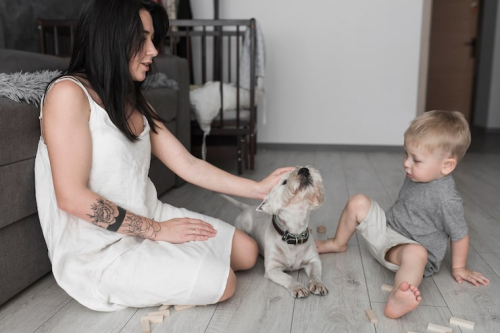
Bringing an eight-week-old puppy into your home launches one of the most formative chapters in a young dog’s life. The window from eight to eighteen weeks represents a narrow but powerful period when puppies absorb experiences at an accelerated rate, shaping how they will respond to the world for years to come. In a bustling urban setting, this phase unfolds against a backdrop of constant novelty sidewalk traffic, varied surfaces, unfamiliar sounds, and a steady stream of people. Guardians who approach these weeks with intention can turn potential overwhelm into lasting confidence and trust.
Your dog’s daily struggles pulling, mealtime anxiety, or reactivity don’t just cause stress, they chip away at the joy of being together. At Prime Paw, our positive reinforcement-based programs meet your dog where they are and build confidence, connection, and real skills. Our tailored programs in-person classes, coaching, and online resources help you enjoy calmer walks, relaxed routines, and a deeper connection. Ready for lasting change? Schedule a Prime Paw consultation today!
Understanding the 8–18 Week Developmental Window
During the primary socialization phase, which spans roughly the first three months of life, puppies remain highly receptive to new stimuli. Responsible early handling by breeders lays initial groundwork, yet the real momentum builds once puppies join their permanent families around eight weeks. This is precisely when many enter structured support programs. The eight-to-eighteen-week span emphasized by initiatives such as PrimePaw Puppy First Steps focuses on continuing that momentum through controlled, positive exposures rather than leaving development to chance.
What makes this interval distinct is its dual nature: puppies simultaneously crave novelty and can become easily flooded by it. Thoughtful pacing introducing one new element at a time helps the brain file experiences as safe rather than threatening. Guardians who recognize this rhythm avoid the common trap of either under-exposing or over-exposing their puppy, both of which can lead to future reactivity or avoidance behaviors.
Recognizing and Supporting Fear Periods
Many puppies pass through a first developmental fear period between eight and eleven weeks, often coinciding with the move to a new home and the start of formal training. During this phase, the brain processes an influx of novel stimuli, and previously neutral encounters may suddenly trigger wariness or hesitation. This response is a normal part of neurological growth, not defiance or stubbornness.
Puppies commonly experience developmental fear periods, with the first often occurring between eight and eleven weeks, precisely when many join new homes and begin formal training. These phases reflect heightened sensitivity as the brain processes an influx of novel stimuli, potentially causing temporary wariness toward previously neutral experiences. Recognizing this as a normal part of growth rather than defiance allows guardians to respond with patience and strategic support. During the 8-18 week window, avoiding forceful interactions and instead offering choice, space, and positive reinforcement helps puppies build resilience. Short, rewarding sessions that celebrate curiosity such as voluntary approaches to new objects paired with treats transform potential stressors into confidence-building opportunities.
This mindful navigation supports broader socialization and training objectives by maintaining momentum without setbacks. For programs focused on early puppy development, understanding fear periods informs class design, ensuring safe, low-pressure environments that accommodate individual paces while teaching guardians effective techniques. The second fear period around six to fourteen months further underscores the value of early foundations, as puppies who navigated initial sensitivities with support tend to rebound more readily. Overall, this knowledge equips owners to foster adaptable, emotionally balanced dogs capable of handling real-world challenges with greater ease and fewer long-term behavioral concerns. For more insights, see the American Kennel Club guide on puppy fear periods.
Effective support centers on patience and agency. Offering choice letting the puppy approach a new object or person voluntarily paired with calm praise or treats transforms potential stressors into confidence-building opportunities. Short, rewarding sessions that celebrate curiosity outperform prolonged drills that push past the puppy’s comfort threshold. When guardians respond with space rather than pressure, puppies learn that novelty can be navigated successfully, building resilience that carries forward into the second fear period around six to fourteen months.
Maximizing the Socialization Window
The early weeks of a puppy’s life represent one of the most formative periods for shaping their lifelong temperament and responses to the world around them. During the primary socialization phase spanning roughly the first three months, puppies are highly receptive to new experiences, making positive, controlled exposures essential for building confidence and reducing the likelihood of future fear-based behaviors. Responsible breeders initiate this process through gentle handling, varied environmental stimuli, and safe interactions starting as early as three weeks of age. Once puppies join their new families around eight weeks, guardians must continue this momentum by introducing diverse sights, sounds, people of varying ages and appearances, textures, and gentle handling in ways that promote curiosity rather than overwhelm. Positive reinforcement through treats, praise, and calm demeanor helps puppies associate novelty with safety and enjoyment.
Family involvement, gradual progression from familiar to unfamiliar settings, and participation in structured puppy classes further reinforce these foundations. This approach not only supports basic skills like potty training and body language recognition but also fosters strong human-canine bonds critical for the 8-18 week developmental window emphasized by programs like PrimePaw’s Puppy First Steps. Well-socialized puppies are more adaptable, less prone to reactivity, and better equipped to thrive in urban environments like San Francisco, ultimately leading to fewer behavioral issues and stronger family integration. The benefits extend beyond immediate training, contributing to lower relinquishment rates and healthier adult dogs who navigate daily life with resilience. Learn more from the AKC’s guide on the puppy socialization window.
While fear periods require careful management, the broader socialization window offers an extraordinary chance to shape a puppy’s worldview. Controlled introductions to diverse sights, sounds, people of varying ages and appearances, textures, and gentle handling help puppies associate novelty with safety and enjoyment. Positive reinforcement through treats, praise, and a calm demeanor strengthens these connections.
In practice, this means gradual progression from familiar home environments to busier settings. Family involvement matters: different household members handling the puppy in varied contexts reinforces that people are predictable and kind. Structured puppy classes add another layer by providing supervised peer interaction and expert guidance on reading body language, a skill that supports both potty training success and everyday communication.
Practical Approaches for Urban Puppy Guardians
City living introduces specific variables constant ambient noise, changing sidewalk textures, elevators, public transit, and dense pedestrian traffic that amplify both the opportunities and the stakes of early socialization. Guardians can meet these realities by designing short, intentional exposures rather than hoping random outings will suffice.
Key practices include pairing new experiences with high-value rewards, allowing the puppy to set the pace of approach, and ending sessions on a positive note before fatigue sets in. Celebrating voluntary investigation such as a puppy choosing to sniff a new planter or greet a calm neighbor builds intrinsic confidence more effectively than forced interactions. Over time, these micro-moments compound into a puppy who views the urban landscape as interesting rather than overwhelming.
Consistency across the household prevents mixed signals. When everyone follows the same calm, reinforcement-based approach, the puppy receives clear information about what is safe and rewarding. This unified front proves especially valuable during the eight-to-eighteen-week window when foundational habits around sleep schedules, potty routines, and basic cues are also taking root.
The Role of Structured Early Puppy Programs
While dedicated home practice forms the backbone of development, many guardians find that professional guidance accelerates progress and reduces second-guessing. Programs focused on early puppy development integrate understanding of fear periods and socialization science into class design, creating safe, low-pressure environments that accommodate individual paces while teaching guardians effective techniques.
PrimePaw Puppy First Steps exemplifies this targeted approach by centering the eight-to-eighteen-week developmental window. Such programs typically combine supervised socialization opportunities with direct coaching on body language, positive reinforcement strategies, and at-home application. The result is not only a puppy gaining skills but an entire family gaining clarity on how to support continued growth once classes conclude.
Expert-led sessions also provide a controlled setting where puppies can encounter peers and novel stimuli without the unpredictability of fully public spaces. Guardians leave with concrete tools rather than vague advice, turning abstract concepts about choice and positive associations into repeatable daily routines.
Long-term Benefits of Intentional Early Support
Puppies who navigate the eight-to-eighteen-week period with thoughtful support tend to rebound more readily from later challenges, including the adolescent fear period. The early investment in confidence and adaptability translates into dogs who move through city environments with greater ease, form stronger bonds with their families, and exhibit fewer behavior concerns that might otherwise strain the human-animal relationship.
Beyond immediate household harmony, well-socialized dogs contribute to lower relinquishment rates and healthier adult lives. The skills and emotional regulation developed now reduce the likelihood of future issues that require more intensive intervention. Guardians who prioritize this window often report greater enjoyment of daily life with their dog precisely because the foundation feels solid.
Evaluating the Right Support for Your Puppy’s First Steps
When guardians reach the point of considering professional assistance for an eight-to-eighteen-week-old puppy, several factors distinguish high-value programs. Look for approaches grounded in positive reinforcement that emphasize small-group or individualized formats, explicit guardian education, and a clear focus on building confidence through controlled exposures rather than drill-based obedience alone.
Programs like PrimePaw Puppy First Steps that explicitly target this developmental window offer a structured pathway to translate expert insights into home practice. They typically include elements such as safe peer socialization, coaching on reading subtle body language cues, and resources that support consistency between sessions. The decision ultimately rests on whether the format aligns with your puppy’s temperament, your household’s schedule, and your goals for long-term adaptability in an urban environment.
Choosing support at this stage represents a practical commitment to giving your puppy the clearest possible start. By combining daily intentional practice with expert guidance where it adds value, guardians position their dogs for resilience that extends well beyond puppyhood.
The eight-to-eighteen-week window closes quickly, yet the patterns established during it endure. Guardians who meet this period with patience, positive associations, and, when helpful, structured professional support create the conditions for a confident companion ready to thrive alongside them in city life and beyond. PrimePaw Puppy First Steps exists to help families make the most of exactly this moment turning critical weeks into a lifetime of mutual understanding and enjoyment.
Frequently Asked Questions
Why is the 8–18 week socialization window so important for puppy development in PrimePaw Puppy First Steps?
The 8–18 week period is a critical developmental window when puppies are highly receptive to new experiences. Positive, controlled exposure during this time helps shape long-term confidence, adaptability, and behavior. Programs like PrimePaw Puppy First Steps focus on structured socialization to ensure puppies learn to view new sights, sounds, and environments as safe rather than overwhelming.
What are puppy fear periods and how should they be handled during early training?
Puppy fear periods typically occur between 8–11 weeks and again later in adolescence, during which puppies may suddenly become cautious or sensitive to familiar stimuli. This is a normal part of brain development, not defiance or bad behavior. The best approach is to avoid force, allow choice, and use positive reinforcement to help puppies build confidence at their own pace.
How does structured training like PrimePaw Puppy First Steps help urban puppies succeed?
Structured programs provide guided, low-pressure exposure to the unique challenges of urban environments such as noise, crowds, and varied surfaces. They combine supervised socialization with positive reinforcement and owner education to build consistent training habits. This helps puppies develop resilience and confidence, making them better equipped to thrive in busy city settings.
Disclaimer: The above helpful resources content contains personal opinions and experiences. The information provided is for general knowledge and does not constitute professional advice.
You may also be interested in: Addressing Separation Anxiety Through Positive Reinforcement Techniques
Your dog’s daily struggles pulling, mealtime anxiety, or reactivity don’t just cause stress, they chip away at the joy of being together. At Prime Paw, our positive reinforcement-based programs meet your dog where they are and build confidence, connection, and real skills. Our tailored programs in-person classes, coaching, and online resources help you enjoy calmer walks, relaxed routines, and a deeper connection. Ready for lasting change? Schedule a Prime Paw consultation today!
Powered by flareAI.co