
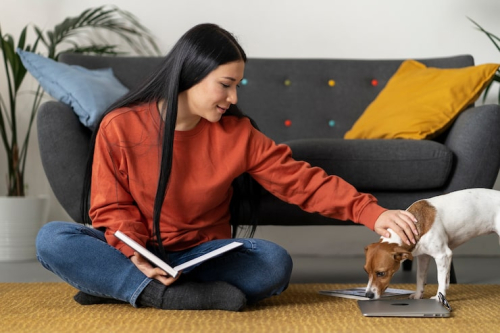
When a young puppy freezes mid-step to listen to a distant siren or dives nose-first into a pile of leaves, something remarkable is happening: its brain is wiring itself for a lifetime of learning and resilience. These seemingly small moments form the foundation of puppy enrichment activities that genuinely support cognitive development. Far beyond keeping a pup occupied, thoughtfully designed mental stimulation during the first months of life produces sharper problem-solvers, more emotionally stable adults, and dogs that form exceptionally strong bonds with their people.
Your dog’s daily struggles pulling, mealtime anxiety, or reactivity don’t just cause stress, they chip away at the joy of being together. At Prime Paw, our positive reinforcement-based programs meet your dog where they are and build confidence, connection, and real skills. Our tailored programs in-person classes, coaching, and online resources help you enjoy calmer walks, relaxed routines, and a deeper connection. Ready for lasting change? Schedule a Prime Paw consultation today!
The Remarkable Plasticity of the Puppy Brain
Between approximately eight and sixteen weeks of age, a puppy’s brain undergoes explosive growth. Neural connections form and strengthen at an astonishing rate, creating the basic circuitry that will govern learning speed, stress recovery, and adaptability for the rest of the dog’s life. This narrow developmental window often called the “critical period” offers a unique opportunity to shape long-term behavior through positive, varied experiences.
Research consistently shows that puppies exposed to a rich array of safe, novel stimuli develop denser gray matter in regions associated with memory, spatial reasoning, and emotional regulation. Without sufficient mental challenge during these weeks, many dogs later struggle with novelty, exhibit heightened reactivity, or default to boredom-driven behaviors such as excessive barking or destructive chewing. The encouraging reality is that meaningful enrichment requires no special credentials just consistency, observation, and a willingness to let curiosity lead.
Household Items That Double as Brain Builders
Some of the most effective cognitive exercises use objects already found around the house. Turning mealtime into a puzzle dramatically increases engagement: a simple treat-dispensing ball or a muffin tin with tennis balls covering kibble forces the puppy to problem-solve rather than inhale dinner in seconds. These routines teach persistence, impulse control, and the powerful concept that effort produces reward.
- Scent Games: Scatter a handful of small treats across a room or hallway and encourage searching. Because olfaction is a dog’s dominant sense, these exercises deliver intense mental satisfaction while simultaneously building confidence every time the pup locates a hidden prize.
- DIY Obstacle Play: Arrange sofa cushions into a gentle maze, drape a blanket over two chairs to form a tunnel, or place a large cardboard box on its side. Navigating these low-pressure challenges enhances body awareness, coordination, and the ability to assess and adapt to new physical environments.
- Quick Command Chains: Teach brief sequences such as “touch → sit → down” in three- to five-minute bursts. Frequent, short sessions maintain high motivation and prevent mental fatigue while reinforcing focus and quick thinking.
Rotating activities every few days keeps the brain guessing and prevents habituation the point at which a once-challenging task becomes routine and loses its cognitive value.
Harnessing the Outdoor World for Deeper Learning
Nature provides an unmatched classroom. A leisurely “sniff walk” where the puppy sets the pace and direction lets the dog collect a flood of sensory data that sharpens observation skills and decision-making. Pausing to examine a new texture, investigate rustling bushes, or watch a squirrel dart up a tree becomes active learning rather than passive exercise.
Well-supervised playdates with compatible age-mates add another dimension: social cognition. Puppies practice reading subtle body language, negotiating space, and recovering from minor social missteps. These interactions, when kept brief and positive, build emotional resilience that helps dogs later handle vet visits, houseguests, or unexpected changes with greater calm.
Transforming Daily Routines into Cognitive Workouts
The most sustainable enrichment blends seamlessly into ordinary life. Before opening the front door, ask for a polite sit-stay. Freeze a stuffed rubber toy for afternoon decompression. Scatter breakfast kibble across the lawn so the morning walk doubles as a foraging expedition. Each of these micro-habits strengthens self-regulation and reinforces that calm behavior unlocks desirable outcomes.
Owners who maintain this approach almost invariably notice the same pattern: puppies who receive regular mental exercise settle more quickly after excitement, show reduced reactivity to strangers, and display genuine enthusiasm when presented with new tasks. The difference becomes especially clear at night mentally satisfied dogs tend to sleep more soundly, giving everyone in the household better rest.
Knowing When Professional Support Makes Sense
While many puppies thrive on home-based enrichment, some benefit significantly from expert guidance particularly high-drive breeds, individuals with early behavioral challenges, or owners who feel uncertain about interpreting signals of stress or frustration. Professional dog training services continue to gain popularity as more families recognize the long-term value of structured support. Rising pet adoption and greater awareness of mental wellness have fueled steady demand for qualified trainers who can create personalized plans.
Experienced instructors often introduce controlled novelty through group classes, private sessions, or short board-and-train programs. These environments expose puppies to diverse stimuli in a safe, graduated way, accelerating progress and helping prevent minor issues from hardening into persistent habits.
Common Mistakes That Undermine Progress
Enthusiasm sometimes leads to overload. Introducing too many new activities simultaneously can overwhelm a young nervous system, resulting in shutdown, avoidance, or anxiety signals such as excessive yawning, lip-licking, or sudden withdrawal. The wiser strategy is to add one element at a time and watch closely for genuine enjoyment versus stress.
Another frequent misstep is treating enrichment as a replacement for foundational care. Adequate sleep, balanced nutrition, and age-appropriate physical exercise remain non-negotiable; mental stimulation amplifies their benefits, not the other way around. Finally, expecting overnight transformation sets unrealistic expectations cognitive gains accumulate gradually. Celebrating incremental successes such as the first independent puzzle solution keeps both puppy and owner motivated.
The Lifelong Echoes of Early Enrichment
Dogs who receive consistent, high-quality mental stimulation in puppyhood tend to carry distinct advantages into adulthood: faster acquisition of new skills, lower baseline anxiety in novel settings, and noticeably better problem-solving ability even in old age. Perhaps the most meaningful outcome, however, is relational. The hours spent exploring, puzzling, and discovering together forge a level of mutual understanding that purely physical activities rarely achieve.
Across households, owners consistently describe the same shift: a dog that once seemed restless or easily frustrated becomes noticeably more engaged, settled, and joyful. In an era when many companion animals spend significant portions of the day alone, regular cognitive enrichment serves as both preventive medicine and a daily source of purpose for the entire family.
Your First Step Starts Now
No elaborate setup or unlimited hours are required. Choose one activity described here, commit to it daily for a week, and observe the subtle changes that emerge. A quick scent game before meals, a brief obstacle course in the hallway, or a frozen toy at nap time each small investment compounds.
The real reward lies in those moments when you catch the exact instant your puppy solves something new: ears forward, tail wagging in tight circles, eyes bright with discovery. That spark is the visible proof of a mind expanding and the quiet promise of many happy, confident years ahead.
Frequently Asked Questions
What are the best puppy enrichment activities for cognitive development?
The best puppy enrichment activities combine mental challenge with everyday routines. Scent games, DIY obstacle courses made from household items (cushions, blankets, cardboard boxes), treat-dispensing puzzles at mealtime, and short command chains like “touch → sit → down” are all highly effective. Rotating activities every few days prevents habituation and keeps the brain actively engaged.
When is the best age to start mental stimulation activities for puppies?
The ideal window for puppy mental stimulation is between 8 and 16 weeks of age, often called the “critical period.” During this time, neural connections form rapidly, shaping a dog’s capacity for learning, stress recovery, and adaptability for life. Puppies exposed to varied, safe, and novel stimuli during these weeks develop denser gray matter in regions linked to memory, spatial reasoning, and emotional regulation.
Can puppy enrichment activities reduce behavioral problems like excessive barking or destructive chewing?
Yes regular cognitive enrichment is one of the most effective ways to prevent and reduce common behavioral problems in dogs. Without sufficient mental challenge early in life, many dogs develop heightened reactivity, boredom-driven chewing, or excessive barking. Puppies who receive consistent mental stimulation settle more quickly after excitement, show reduced reactivity to strangers, and tend to sleep more soundly benefiting the entire household.
Disclaimer: The above helpful resources content contains personal opinions and experiences. The information provided is for general knowledge and does not constitute professional advice.
You may also be interested in: PrimePaw Homepage – Prime Paw
Your dog’s daily struggles pulling, mealtime anxiety, or reactivity don’t just cause stress, they chip away at the joy of being together. At Prime Paw, our positive reinforcement-based programs meet your dog where they are and build confidence, connection, and real skills. Our tailored programs in-person classes, coaching, and online resources help you enjoy calmer walks, relaxed routines, and a deeper connection. Ready for lasting change? Schedule a Prime Paw consultation today!
Powered by flareAI.co