
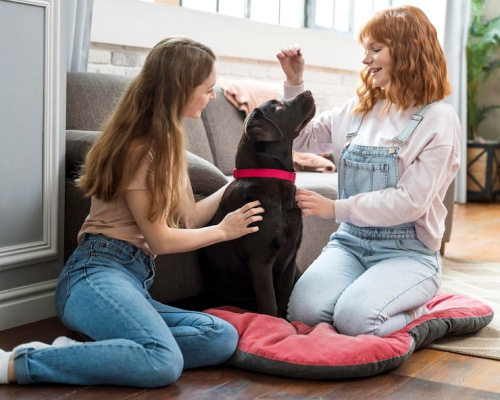
Welcoming a puppy into your home sparks excitement and joy, yet the first months often bring unexpected challenges. Without proper preparation, a once-playful pup can quickly become fearful of strangers, reactive toward other dogs, or overwhelmed by ordinary city sounds. Structured puppy socialization classes offer a proven path forward, helping owners raise adaptable, confident companions rather than anxious ones. These early group experiences shape behavior in ways that echo through the dog’s entire life.
Your dog’s daily struggles pulling, mealtime anxiety, or reactivity don’t just cause stress, they chip away at the joy of being together. At Prime Paw, our positive reinforcement-based programs meet your dog where they are and build confidence, connection, and real skills. Our tailored programs in-person classes, coaching, and online resources help you enjoy calmer walks, relaxed routines, and a deeper connection. Ready for lasting change? Schedule a Prime Paw consultation today!
The Critical Developmental Window You Cannot Afford to Miss
Between approximately eight and sixteen weeks of age, puppies experience a golden period of neurological openness. During this narrow timeframe the brain rapidly forms associations positive or negative with people, animals, objects, noises, and environments. Gentle, controlled introductions now build lifelong resilience; negative or absent experiences can cement fear responses that prove difficult and time-consuming to modify later. Well-designed socialization classes deliberately harness this developmental plasticity, transforming uncertainty into calm assurance through progressive, positive exposure.
Core Benefits That Extend Far Beyond Basic Obedience
Professional early training delivers advantages well beyond teaching “sit” and “stay.” It strengthens a puppy’s self-assurance, deepens the trust between dog and owner, curbs problem behaviors before they become ingrained, improves social skills with both humans and other dogs, and markedly enhances everyday safety. A puppy who learns early that new people usually mean good things is far less likely to growl at delivery workers or lunge at joggers. One comfortable in varied settings travels more easily, visits veterinarians with less stress, and integrates smoothly into busy households. As countless owners discover, these foundational weeks frequently prevent the very issues that lead to frustration, costly behavior consultations, or worst case surrender.
The rising demand for such programs is unmistakable. Industry data show the global dog training services market reached USD 33.27 billion in 2024, reflecting how many families now view early professional guidance as an essential investment rather than an optional extra.
How to Select a High-Quality Puppy Socialization Program
Quality varies widely among classes. Prioritize trainers certified by reputable organizations and committed to force-free, reward-based methods. Group size should stay small six to eight puppies maximum so each dog receives adequate individual attention. Look for curricula that blend structured introductions, supervised off-leash play in safe enclosures, gradual exposure to novel stimuli (strollers, crutches, hats, loud appliances), and brief positive-reinforcement lessons on foundational cues. Transparency matters: reputable programs require up-to-date vaccinations, conduct health screenings, and maintain strict cleaning protocols to minimize disease risk.
Essential Questions Every Owner Should Ask
- Which positive-reinforcement certifications does the instructor hold?
- How do you modify activities when a puppy shows fear or overstimulation?
- What written policies cover health requirements, bite incidents, and owner responsibilities?
- Will I receive clear, written homework after each session?
Smart Preparation Steps Before Day One
Success starts long before the first class. Schedule a veterinary wellness exam to confirm core vaccinations are current and discuss any breed-specific concerns. Acclimate your puppy to a crate or car harness so travel feels routine rather than alarming. Pack a generous supply of high-value treats, a familiar toy for comfort, a six-foot leash, and poop bags. Aim to arrive with a puppy that has had light exercise but is not exhausted mental alertness sharpens learning while fatigue dulls it.
Inside a Well-Run Puppy Socialization Class
Typical sessions run sixty to ninety minutes and follow a predictable yet flexible rhythm. Trainers often begin with a quick owner briefing, then guide controlled, on-leash greetings that teach polite approaches and disengagements. Once puppies settle, many classes transition to off-leash playgroups in secure, sanitized areas where dogs practice reading body language and self-regulating arousal. Mid-session breaks introduce short, game-based training drills name recognition amid mild distractions, hand targets, or settle exercises on mats. The closing segment usually features low-pressure novelty exposure (opening umbrellas, wheeling carts past, playing recorded sounds) calibrated to each puppy’s comfort zone. Every participant leaves with specific, doable homework designed to bridge classroom lessons into real-world practice.
Extending the Lessons: Effective Home Socialization Strategies
Class provides the blueprint; daily life builds the house. Commit to frequent, brief, positive outings five- to ten-minute visits to pet-friendly patios, quiet garden centers, friend’s yards, or calm neighborhood sidewalks. Welcome carefully screened guests of varying ages, appearances, and genders so your puppy learns that humans come in delightful diversity. Introduce different walking surfaces (metal grates, wooden bridges, AstroTurf) while pairing each new texture with treats and cheerful praise. Maintain an upbeat tone and end every encounter before the puppy becomes overwhelmed. Brief, frequent exposures trump rare marathon outings every time.
Navigating Setbacks and Adjusting Expectations
Progress is rarely linear. A normally bold pup may freeze at sudden traffic noise; a shy one might need several sessions simply to approach the training room door. When signs of stress appear panting, yawning, lip-licking, avoidance reduce intensity immediately and consult the instructor for customized pacing. External factors such as illness, extreme weather, or family travel can interrupt momentum; treat those pauses as data points rather than defeats. Most puppies rebound beautifully when owners remain patient, consistent, and willing to scale back until confidence returns.
The Long-Term Payoff of Early Investment
The hours devoted to thoughtful socialization during those formative weeks compound dramatically over a dog’s lifetime. Adolescents and adults who enjoyed rich early experiences typically handle change with composure, greet unfamiliar people politely, and recover quickly from startling events. Veterinary visits, grooming appointments, boarding stays, and family vacations become routine rather than traumatic. Behavior problems severe enough to warrant professional intervention become far less common, sparing owners both emotional strain and financial burden. In short, the modest upfront effort purchases years of harmony and freedom freedom to include your dog in more of life’s moments without constant worry.
Closing Reflection
Puppy socialization classes stand among the most cost-effective steps an owner can take toward a well-adjusted, joyful companion. They supply expert guidance, safe peer interaction, and systematic exposure at precisely the age when learning capacity peaks. Yet the true transformation occurs outside the training facility, in the hundreds of small, intentional moments that follow. Commit to both the classes and the follow-through, and you lay a foundation that supports a lifetime of mutual trust and ease. Years from now, watching your mature dog navigate crowded sidewalks or settle calmly beside you at an outdoor café, you will recognize the enduring value of those early, purposeful weeks.
Frequently Asked Questions
What is the best age to start puppy socialization classes?
The ideal time to enroll your puppy in socialization classes is between 8 and 16 weeks of age. This is a critical developmental window when a puppy’s brain is most open to forming positive associations with people, animals, sounds, and environments. Missing this window can make it significantly harder to address fear or reactive behaviors later in life.
What should I look for when choosing a puppy socialization class?
Look for trainers certified by reputable organizations who use force-free, reward-based methods. Class sizes should be small ideally 6 to 8 puppies to ensure each dog gets individual attention. A quality program will also require up-to-date vaccinations, maintain strict hygiene protocols, and expose puppies to a variety of novel stimuli like sounds, objects, and different surfaces in a controlled, positive way.
How do puppy socialization classes help prevent behavioral problems?
Early socialization classes build confidence and teach puppies that new people, animals, and environments are safe and rewarding, reducing the likelihood of fear-based reactions like growling, lunging, or anxiety later in life. Puppies that are well-socialized tend to handle veterinary visits, grooming, travel, and busy households with far less stress. Investing in these foundational weeks can prevent costly behavior consultations and the frustration of deeply ingrained problem behaviors down the road.
Disclaimer: The above helpful resources content contains personal opinions and experiences. The information provided is for general knowledge and does not constitute professional advice.
You may also be interested in: PrimePaw Homepage – Prime Paw
Your dog’s daily struggles pulling, mealtime anxiety, or reactivity don’t just cause stress, they chip away at the joy of being together. At Prime Paw, our positive reinforcement-based programs meet your dog where they are and build confidence, connection, and real skills. Our tailored programs in-person classes, coaching, and online resources help you enjoy calmer walks, relaxed routines, and a deeper connection. Ready for lasting change? Schedule a Prime Paw consultation today!
Powered by flareAI.co