
In the heart of San Francisco, where cable cars clang past colorful Victorians and fog rolls in from the bay, new puppy owners quickly discover that raising a well-adjusted dog takes more than walks around the block. From the lively energy of the Mission District to the quieter charm of Noe Valley, every neighborhood brings its own mix of distractions, other dogs, and daily adventures. If you’ve typed puppy socialization near me into your phone while juggling a leash and a latte, you already know the search can feel endless. Yet the right approach safe, supervised, and built on reward-based methods can transform those early months into a foundation for confidence and calm. That’s exactly what specialized programs deliver, turning potential chaos into joyful growth for both pups and their people while fitting seamlessly into busy city routines across Potrero Hill, Bernal Heights, and beyond.
Your dog’s daily struggles pulling, mealtime anxiety, or reactivity don’t just cause stress, they chip away at the joy of being together. At Prime Paw, our positive reinforcement-based programs meet your dog where they are and build confidence, connection, and real skills. Our tailored programs in-person classes, coaching, and online resources help you enjoy calmer walks, relaxed routines, and a deeper connection. Ready for lasting change? Schedule a Prime Paw consultation today!
Why Puppy Socialization Is Essential for Urban Dogs
Puppies are like sponges in those first few months, soaking up every sight, sound, and interaction. In a dense city like San Francisco, that means learning to navigate busy sidewalks, sudden skateboarders, and crowded parks without fear or reactivity. Proper socialization builds resilience, reduces future behavioral issues, and creates dogs who actually enjoy city life instead of hiding under the couch during fireworks or Muni rides.
This isn’t just anecdotal advice. Recent industry analyses confirm that the global Dog Training Services Market is estimated to be valued at USD 43.8 Billion in 2026, underscoring the growing demand for professional support in shaping well-behaved companions. The real-world payoff appears in everyday moments: a pup who greets neighbors politely in Bernal Heights instead of barking at every passing stroller, or one who plays happily in Potrero Hill’s open spaces without getting overwhelmed. These early experiences equip dogs to handle the unpredictable rhythms of urban living with composure and confidence.
Exploring Safe Socialization Options in San Francisco Neighborhoods
Look around the Bay Area and you’ll find that not every dog meet-up is created equal. Some park gatherings lack supervision, while others mix puppies with much larger, energetic adults. The safest opportunities pair small, age-appropriate groups with experienced oversight in controlled environments. In neighborhoods like SoMa and Dogpatch, converted warehouses and community centers now host dedicated sessions where play is structured, not chaotic.
Residents in the Castro District or Noe Valley often appreciate classes held just blocks from home, minimizing travel stress for both puppy and owner. The key is finding programs that prioritize safety protocols clean spaces, health screenings, and careful group sizing so every interaction builds positive associations rather than anxiety. When you search locally, focus on venues that offer consistent schedules tailored to the rhythms of San Francisco life, from early-morning sessions before commutes to evening groups after work. These options ensure puppies develop social skills without unnecessary risks.
The Benefits of Reward-Based Training Methods
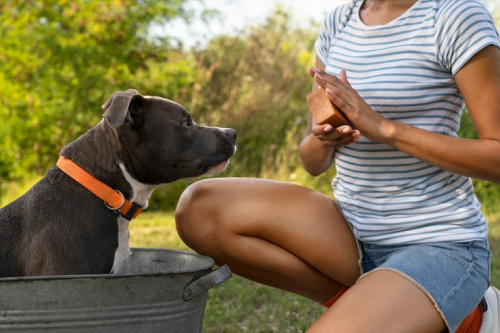
Positive reinforcement isn’t a buzzword; it’s a proven way to help puppies learn without fear. Instead of corrections or dominance-based tactics, trainers use treats, praise, and play to mark desired behaviors. Pups quickly connect good choices with good things, which accelerates learning and strengthens the bond with their humans.
Experienced trainers who specialize in this approach understand subtle cues when a tail wag signals curiosity versus stress, or when a quick break prevents overstimulation. In San Francisco’s variable weather, these methods shine because they adapt to indoor and outdoor settings alike, keeping sessions engaging no matter if the fog has rolled in or the sun is warming the hills. The result is a puppy who listens because they want to, not because they’re afraid not to. This gentle yet effective style creates lasting confidence that carries into every neighborhood stroll and social encounter.
Personalized Training Tailored to Your Puppy’s Unique Needs
Every dog arrives with its own personality, history, and quirks. One puppy might be bold and bouncy, ready to greet every new friend in the Mission District, while another hangs back, needing gentler introductions in quieter corners of Bernal Heights. Generic group classes often miss these nuances, but the most effective programs assess each pup individually and adjust on the spot.
Trainers observe body language, energy levels, and responses in real time, then craft exercises that meet the dog exactly where it is. This tailored attention prevents frustration for both puppy and owner, turning potential setbacks into small victories. Whether your pup is a shy rescue or an energetic bundle of fur, personalization ensures progress feels natural rather than forced. By focusing on each dog’s specific behavior and needs, these sessions deliver measurable improvements that general approaches simply cannot match.
Convenience of Combining Training and Socialization in One Location
One of the biggest time-savers for busy San Francisco professionals is finding a single safe space where training lessons and socialization happen together. No more rushing between a trainer’s studio across town and a separate play group in another neighborhood. Instead, structured sessions weave obedience cues into supervised play, so puppies practice “sit” while greeting friends or learn “leave it” amid tempting toys.
This integrated approach fits the realities of city schedules short, focused classes that deliver results without requiring hours of extra driving or coordination. Owners leave each session with clear homework they can practice during neighborhood walks, reinforcing everything in familiar surroundings from Potrero Hill’s streets to the grassy patches of Noe Valley. The combination of training plus socialization in one supervised location eliminates logistical headaches while maximizing every minute invested.
Tackling Common Objections to Puppy Training Programs
Many owners hesitate for understandable reasons. Cost comes up first training feels like an extra expense on top of vet bills and premium kibble. Yet the investment pays off in prevented problems; a well-socialized dog is far less likely to develop costly behavioral issues later, from separation anxiety to reactivity that limits park visits. When viewed as preventive care, the value becomes clear and enduring.
Another frequent doubt is whether training will actually work for “this” puppy. Every dog is different, but consistent positive reinforcement paired with experienced guidance has helped countless pups across San Francisco neighborhoods thrive. Progress may look different for each animal, yet the methods are flexible enough to meet them where they are. Personalized assessment ensures even the most challenging cases see steady, reliable improvement.
Finally, the concern about time: who has an extra evening every week? Modern programs respect busy calendars with efficient, results-oriented sessions and flexible make-up options. Many owners discover that the weekly commitment actually creates welcome structure, turning scattered efforts into steady, manageable routines that fit around work, errands, and city life. The outcome is a more balanced schedule and a happier household.
Practical Tips for Getting Started Today
Begin by observing your puppy’s current comfort level in different environments. Note what excites them versus what causes hesitation perhaps crowds in SoMa energize one dog while quiet side streets in the Castro suit another. Then seek out supervised groups that start small and scale up gradually, always prioritizing safety and positive experiences.
- Schedule a quick health check to ensure your pup is ready for group play.
- Prepare high-value treats that motivate your specific dog.
- Commit to short daily practice sessions at home or on neighborhood walks.
- Follow local trainers on Instagram and Facebook for quick tips, seasonal advice, and community updates tailored to San Francisco pups.
These small steps compound quickly, turning “near me” searches into real progress you can see and feel. With consistent effort and the right guidance, your puppy will develop the social skills needed to thrive in any San Francisco setting.
Looking Ahead: A Well-Socialized Puppy for a Happier Life
The months you invest now shape years of easier walks, relaxed café patios, and stress-free visits to friend’s homes. A confident, socially savvy dog becomes a true companion who enriches daily life in San Francisco rather than complicating it. Whether you’re navigating the hills of Bernal Heights or the flat stretches of Dogpatch, that foundation of safety and positive experiences makes every outing smoother and more enjoyable.
The opportunities are right here in your neighborhood. Start exploring safe, reward-based programs today, and watch your puppy grow into the dog you always hoped they would be curious, calm, and ready for whatever the city throws their way. The combination of personalized attention, expert supervision, and proven positive methods creates results that last a lifetime.
Frequently Asked Questions
What makes a puppy socialization program safe for my dog?
A safe puppy socialization program uses small, age-appropriate groups with experienced trainers overseeing every interaction. Look for venues that enforce health screenings, maintain clean spaces, and keep group sizes controlled so every session builds positive associations rather than anxiety. Structured play in supervised environments rather than unmonitored park gatherings ensures your pup develops confidence without unnecessary risks.
Why is reward-based training better than other methods for puppies?
Reward-based training uses treats, praise, and play to reinforce desired behaviors, helping puppies learn without fear or stress. This positive reinforcement approach accelerates learning by connecting good choices with good outcomes, while also deepening the bond between dog and owner. Skilled trainers using this method can read subtle body language cues to prevent overstimulation and adapt sessions to any environment, making it especially effective for busy urban settings.
How early should I start socializing my puppy, and what’s the best way to begin?
The first few months are a critical window when puppies absorb new experiences most readily, so starting early makes a significant difference in long-term behavior. Begin by observing what environments excite or unsettle your pup, then seek out supervised groups that introduce new situations gradually and positively. Pairing daily short practice sessions at home with a structured local program gives your puppy a consistent foundation for calm, confident social skills.
Disclaimer: The above helpful resources content contains personal opinions and experiences. The information provided is for general knowledge and does not constitute professional advice.
You may also be interested in: PrimePaw Homepage – Prime Paw
Your dog’s daily struggles pulling, mealtime anxiety, or reactivity don’t just cause stress, they chip away at the joy of being together. At Prime Paw, our positive reinforcement-based programs meet your dog where they are and build confidence, connection, and real skills. Our tailored programs in-person classes, coaching, and online resources help you enjoy calmer walks, relaxed routines, and a deeper connection. Ready for lasting change? Schedule a Prime Paw consultation today!
Powered by flareAI.co