
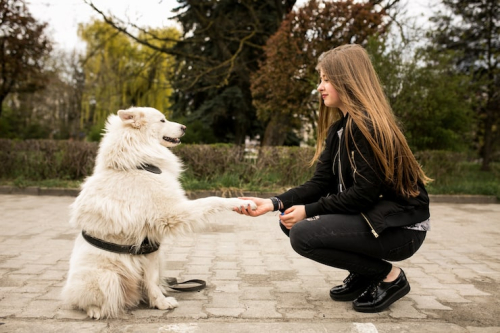
In the bustling streets of San Francisco, where apartment buildings stand alongside vibrant parks and cable cars rattle past busy sidewalks, puppy owners face distinct challenges. From navigating crowded sidewalks in the Mission District to arranging playdates in Noe Valley’s community spaces, raising a confident, well-adjusted dog requires far more than basic commands. Local puppy training programs are increasingly shifting their focus toward social skills and emotional resilience, helping young dogs thrive in urban environments.
These programs understand that a puppy’s earliest experiences lay the foundation for lifelong behavior. Rather than concentrating solely on “sit” and “stay,” experienced trainers prioritize real-world socialization and confidence-building exercises designed specifically for city living. This modern approach resonates strongly across neighborhoods including Potrero Hill, SoMa, Dogpatch, Bernal Heights, Castro District, and Noe Valley, where pet owners actively seek practical solutions for harmonious daily life with their dogs.
Your dog’s daily struggles pulling, mealtime anxiety, or reactivity don’t just cause stress, they chip away at the joy of being together. At Prime Paw, our positive reinforcement-based programs meet your dog where they are and build confidence, connection, and real skills. Our tailored programs in-person classes, coaching, and online resources help you enjoy calmer walks, relaxed routines, and a deeper connection. Ready for lasting change? Schedule a Prime Paw consultation today!
Why Urban Puppies Need Specialized Social Skills Training
San Francisco’s dense urban setting delivers constant stimuli: honking horns, skateboarders weaving through crowds, and frequent encounters with other dogs and people. Puppies that miss key early socialization windows can develop anxiety or reactivity, turning routine walks into stressful experiences for both pets and owners.
Trainers working in the city have noted that apartment-raised puppies often receive less varied environmental exposure than those in more spacious settings. Well-designed programs bridge this gap through carefully controlled yet realistic scenarios. Many owners observe that puppies completing these sessions navigate city noises and social interactions with noticeably greater ease, significantly reducing fear-based behaviors as they mature.
Emerging Trends in City Puppy Training Programs
Behavior-focused puppy classes are gaining strong momentum across the Mission District and SoMa. These sessions move beyond conventional obedience training to incorporate play-based learning that enhances problem-solving abilities and emotional regulation.
A prominent development includes the integration of confidence-building exercises such as gentle obstacle courses, supervised social meetups, and positive reinforcement games. In Dogpatch, trainers creatively utilize warehouse-style venues for indoor agility setups that replicate urban obstacles like stairs, narrow pathways, and sudden sounds. Similar innovative approaches are appearing in other major cities across North America and Europe, where trainers adapt programs to local urban realities.
In Noe Valley and the Castro District, programs increasingly support multi-dog households, which have grown more common as residents welcome companions for mutual emotional support. Early socialization here emphasizes reading canine body language, peaceful resource sharing, and positive group dynamics essential skills for homes with multiple dogs.
Confidence-Building Techniques That Deliver Results
Leading programs consistently prioritize positive reinforcement over correction-based methods. Trainers create activities that encourage puppies to explore new situations at their own pace, rewarding natural curiosity and calm responses. Games as simple as “find it,” using hidden treats, help develop problem-solving confidence while deepening the owner-pet bond.
Group classes held in Bernal Heights parks effectively simulate real urban encounters. Puppies learn to greet other dogs politely and stay relaxed around strangers. Sessions often include role-playing practical scenarios from elevator rides to busy café patios preparing dogs for everyday San Francisco life while building adaptable social skills valued by owners throughout the United States, Canada, and Europe.
Pet owners particularly value how these techniques promote independence. A puppy that learns to approach novel environments with guidance typically matures into an adult dog capable of handling veterinary visits, travel, and new social settings with minimal stress. This focus on emotional development reflects broader industry trends where professional trainers emphasize behavior management and companionship optimization.
Choosing the Right Puppy Training Program
When selecting a program, prioritize trainers who rely on science-based, positive reinforcement methods. Important factors include small class sizes that allow individualized attention, transparent socialization protocols, and instructors with proven experience addressing urban dog challenges.
Consider your puppy’s specific age and personality. Programs for very young puppies, generally 8 to 16 weeks old, emphasize gentle exposure and play, while slightly older pups benefit from more structured skill development. Many providers in San Francisco and similar markets offer both group classes and private sessions, providing flexibility for busy schedules and individual needs.
- Early socialization windows: The most impactful learning period occurs before 16 weeks, making timely enrollment particularly important for long-term success.
- Consistency across environments: Quality programs equip owners with tools to transfer skills from the training space to home life and neighborhood outings.
- Ongoing support: Seek trainers who supply practical resources and follow-up guidance for continued practice between formal sessions.
Real-World Benefits for Urban Pet Owners
Puppies that develop robust social skills and confidence typically enjoy higher quality of life and form stronger bonds with their families. They become more comfortable joining outings to dog-friendly cafés, exploring trails in the Presidio, or participating in community events without anxiety.
This holistic approach effectively addresses common urban challenges such as separation anxiety and noise reactivity. Building resilience during formative months helps prevent issues that might later demand more intensive behavioral support. Across North America, where many households value professional guidance for pet behavior, these programs demonstrate clear practical value.
Local examples abound of puppies who once startled at passing bicycles now confidently exploring Golden Gate Park. These transformations illustrate a deeper understanding that effective training shapes how dogs perceive and interact with their world, extending well beyond basic commands.
Integrating Training Into Demanding City Schedules
Many San Francisco professionals find it challenging to maintain consistent training routines amid busy work lives. Forward-thinking programs respond with flexible scheduling options, concise intensive sessions, and virtual resources that support home practice.
Weekend group classes in neighborhood parks efficiently combine socialization opportunities with physical exercise. Some trainers collaborate with local dog walkers and daycare services to ensure continuity during weekdays. These practical adaptations make quality training accessible even for time-pressed urban households across the United States, Canada, and Europe.
The returns on this investment appear in smoother daily routines, fewer behavioral obstacles, and reduced overall stress for everyone involved. Professional training services continue evolving to better serve modern pet owners who seek customized support that enhances their pet’s comfort and lifestyle.
Common Questions About Socialization and Confidence Programs
How early should training begin? Reputable programs typically welcome puppies once they have received initial vaccinations, often around eight weeks, with careful attention to safe, controlled introductions.
Will group classes overwhelm a shy puppy? Experienced instructors carefully assess each dog’s comfort level and make appropriate modifications, creating positive experiences tailored to individual needs.
Can these programs benefit rescue puppies? Yes. Many older puppies and young adult dogs gain tremendous advantages from targeted socialization that addresses gaps in their early experiences.
Looking Ahead: Puppy Development in Modern Cities
As pet ownership continues to flourish in urban centers, demand grows for thoughtful, context-specific training approaches. San Francisco’s progressive programs offer valuable models for other metropolitan areas, showing how focused early intervention produces confident, adaptable dogs.
Professional training plays an increasingly important role in responsible pet ownership by supporting behavior management and strengthening human-animal bonds. The emphasis on social skills and confidence reflects an evolving recognition of dogs as emotional companions who perform best when prepared for their surroundings.
Whether observing your puppy confidently master playground equipment in Potrero Hill or enjoying relaxed walks through the Castro, the outcomes are compelling. For those exploring options, PrimePaw’s puppy training programs represent this contemporary standard, combining deep local knowledge with effective, positive methods to help San Francisco dogs and their owners thrive together.
The core insight remains clear: by investing in socialization and confidence during these critical early months, today’s puppies develop into tomorrow’s adaptable, happy companions equipped for urban adventures and beyond. This thoughtful approach benefits not only individual households but contributes to more harmonious communities where dogs and people coexist successfully.
Frequently Asked Questions
When should I enroll my puppy in a socialization and confidence training program?
The ideal time to enroll your puppy is as early as 8 weeks old, once they’ve received their initial vaccinations. The most critical learning window closes around 16 weeks, so timely enrollment is essential for long-term behavioral success. Starting early helps prevent anxiety and reactivity from developing as your puppy matures.
What makes urban puppy training programs different from standard obedience classes?
Urban puppy training programs go beyond basic commands like “sit” and “stay” to focus on real-world socialization, emotional resilience, and confidence-building tailored to city life. Classes often simulate urban scenarios such as elevator rides, busy sidewalks, and sudden loud noises using positive reinforcement techniques. This prepares puppies to handle the constant stimuli of city environments like crowded streets and unfamiliar people with calm and confidence.
Can rescue puppies or shy dogs benefit from socialization and confidence training?
Absolutely. Rescue puppies and shy dogs often have gaps in early socialization that targeted training programs are specifically designed to address. Experienced instructors assess each dog’s comfort level individually and adapt exercises to create positive, low-stress experiences. Many young adult rescue dogs show significant improvements in confidence and social behavior through these science-based, positive reinforcement methods.
Disclaimer: The above helpful resources content contains personal opinions and experiences. The information provided is for general knowledge and does not constitute professional advice.
You may also be interested in: Dog Training Methods with Maureen Keene of Keene Kanine
Your dog’s daily struggles pulling, mealtime anxiety, or reactivity don’t just cause stress, they chip away at the joy of being together. At Prime Paw, our positive reinforcement-based programs meet your dog where they are and build confidence, connection, and real skills. Our tailored programs in-person classes, coaching, and online resources help you enjoy calmer walks, relaxed routines, and a deeper connection. Ready for lasting change? Schedule a Prime Paw consultation today!
Powered by flareAI.co