
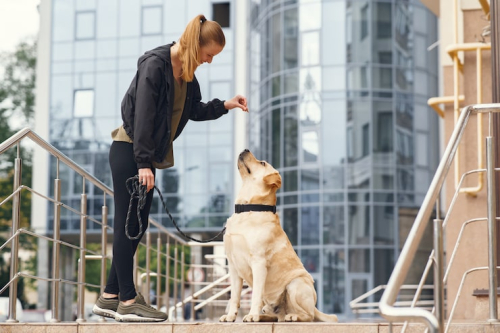
In San Francisco’s high-stakes professional world, where long hours at screens meet sudden fog rolls and weekend plans vanish under urgent deadlines, bringing home a new puppy can feel like signing up for a second full-time job. Yet growing numbers of busy tech workers, consultants, and entrepreneurs are successfully raising happy, well-behaved dogs without sacrificing career momentum. The secret lies in efficient, realistic training strategies designed around packed calendars rather than traditional dog-training schedules. These approaches respect both the city’s intense pace and the deep emotional rewards that come from a confident canine companion.
Recent industry data underscores this shift: North America commands the largest share of the global pet services market. Rising disposable incomes are driving pet owners to invest thoughtfully in premium, time-efficient services including personalized training that genuinely improve quality of life for both humans and animals. In the Bay Area that willingness translates into demand for smart, flexible solutions rather than time-intensive commitments.
Your dog’s daily struggles pulling, mealtime anxiety, or reactivity don’t just cause stress, they chip away at the joy of being together. At Prime Paw, our positive reinforcement-based programs meet your dog where they are and build confidence, connection, and real skills. Our tailored programs in-person classes, coaching, and online resources help you enjoy calmer walks, relaxed routines, and a deeper connection. Ready for lasting change? Schedule a Prime Paw consultation today!
Why San Francisco Makes Puppy Training Uniquely Demanding
Compact living spaces leave little room for spontaneous zoomies. Steep streets test even adult dog’s stamina, let alone a puppy still mastering balance. Commutes that stretch well beyond nine-to-five limit hands-on time. Public transit, crowded sidewalks, and the ever-present aroma of gourmet takeout create endless distraction opportunities. Add frequent travel for work conferences and the near-constant background noise of urban life, and the usual advice to “spend hours socializing your pup” quickly becomes unrealistic. Fortunately, these same challenges reward creative, high-leverage methods that deliver outsized results in minimal time.
Building Reliable Behavior Through Micro-Training Moments
Forget marathon obedience classes that demand entire evenings. The most successful busy owners rely on frequent, ultra-short training sessions typically five to ten minutes slotted into natural breaks in the day. Reinforce a solid “sit” while coffee brews. Practice “down” during the two-minute wait for the elevator. Run through “leave it” on the walk to the corner store. Because puppies learn through repetition rather than duration, these bite-sized lessons accumulate rapidly when they happen consistently.
Flexibility is the real superpower here. When a morning session gets derailed by an early stand-up meeting, shift the work to lunch or the evening dog walk. The critical ingredients remain the same: positive reinforcement, crystal-clear criteria, and an upbeat tone that keeps both of you engaged even after fourteen-hour workdays.
Four High-Impact Commands Every Urban Puppy Needs
- Sit and Stay Instant tools for managing greetings at the door or creating space during video calls.
- Come when called Essential safety skill in a city ringed by busy streets and tempting off-leash temptation zones like Fort Funston and Ocean Beach.
- Leave It Lifesaver on sidewalks littered with chicken bones, pizza crusts, and the occasional forgotten edible.
- Heel / Loose-leash walking Turns nerve-wracking treks through SoMa or the Financial District into relaxed, enjoyable outings.
Master these four foundations and most everyday urban scenarios become manageable without requiring an exhaustive repertoire of tricks.
Choosing Time-Efficient Local Training Support
San Francisco’s pet industry has evolved to serve professionals who value results over face time. Look for trainers offering focused 30-minute private sessions that fit neatly between meetings or early drop-off windows. Lunch-hour group classes near Caltrain and BART stations let you train and still make the next connection. Many reputable providers now emphasize realistic urban expectations and deliver progress in compact, high-value blocks instead of multi-weekend boot camps.
Smart Tech That Extends Your Reach
Modern tools close the gap when physical presence isn’t possible. Smartphone apps deliver timed training reminders synced to your calendar and log progress so you can see gains even during crunch weeks. Wi-Fi-enabled treat-dispensing cameras allow remote rewards for calm crate behavior while you’re stuck in back-to-back stand-ups. Smart speakers can cue simple routines (“place”) during the final stretch of evening emails. Small, strategic tech investments maintain momentum when geography or workload pull you away from home.
Three Tech Tactics to Implement This Week
- Program a recurring lunch-break alarm for a quick two-minute recall drill in a quiet courtyard.
- Place a treat camera in the crate area to reinforce relaxed settling during work hours.
- Use a basic habit-tracking app to record daily micro-sessions and celebrate small weekly milestones.
Socializing Effectively in a High-Stimulation City
Urban puppies encounter overwhelming stimuli daily sirens, skateboards, delivery scooters, crowds so deliberate, controlled exposure remains essential. Keep outings brief and positive: three to five minutes watching foot traffic from a café patio, a short loop around a less hectic corner of Golden Gate Park, or carefully managed greetings with vaccinated, calm neighbor dogs. The objective is steady confidence-building rather than exhaustive “socialization marathons” that leave both pup and owner exhausted.
Navigating Inevitable Setbacks Without Losing Progress
Regression happens. A previously house-trained puppy may suddenly have accidents after a change in routine. Teething can turn favorite shoes into chew toys. The healthiest response combines prevention with compassion. Use strategically timed crate time and long-lasting puzzle toys to make alone periods constructive rather than stressful. When problems appear, first examine what shifted in your schedule or household rhythm, then make small, targeted adjustments instead of overhauling everything at once. Consistency over perfection keeps forward movement alive.
The Long-Term Return on Early Training Investment
A puppy who reliably responds to basic cues becomes a true partner in San Francisco life easy companion for foggy Ocean Beach sunrises, relaxed picnics in Dolores Park, spontaneous weekend escapes to Point Reyes. The mental bandwidth saved from constant management translates into deeper presence during the moments that matter most. Beyond convenience, thoughtful early training forges a bond built on mutual trust and understanding, turning the daily return home into one of the brightest parts of even the most demanding week.
Professional ambition and responsible puppy parenthood are not mutually exclusive in this city. By embracing efficient, evidence-based strategies tailored to real urban constraints, busy San Franciscans can raise well-adjusted, joyful dogs while continuing to thrive in demanding careers. The iconic hills remain steep, but with the right approach the journey on two legs and four becomes far more enjoyable.
Frequently Asked Questions
What are the best puppy training techniques for busy professionals in San Francisco?
The most effective approach for busy professionals is micro-training short, five-to-ten minute sessions slotted into natural breaks throughout the day, like while coffee brews or during an elevator wait. Because puppies learn through repetition rather than duration, these frequent bite-sized lessons add up quickly. Focusing on four high-impact commands sit/stay, come when called, leave it, and loose-leash walking covers the most common urban scenarios without requiring an exhaustive routine.
How can I socialize my puppy in a busy city like San Francisco without overwhelming them?
In a high-stimulation environment full of sirens, crowds, and scooters, the key is controlled, brief exposure rather than lengthy socialization marathons. Short outings of three to five minutes watching foot traffic from a café patio or a calm loop through Golden Gate Park build confidence gradually without exhausting your pup. The goal is steady, positive experiences that help your puppy associate city life with safety and reward.
What tech tools can help me train my puppy when I’m working long hours?
Several smart tools can bridge the gap when you’re away from home. Wi-Fi-enabled treat-dispensing cameras let you remotely reward calm crate behavior during back-to-back meetings, while smartphone apps can send timed training reminders synced to your calendar. A basic habit-tracking app also helps you log daily micro-sessions and recognize progress even during hectic work weeks.
Disclaimer: The above helpful resources content contains personal opinions and experiences. The information provided is for general knowledge and does not constitute professional advice.
You may also be interested in: PrimePaw Homepage – Prime Paw
Your dog’s daily struggles pulling, mealtime anxiety, or reactivity don’t just cause stress, they chip away at the joy of being together. At Prime Paw, our positive reinforcement-based programs meet your dog where they are and build confidence, connection, and real skills. Our tailored programs in-person classes, coaching, and online resources help you enjoy calmer walks, relaxed routines, and a deeper connection. Ready for lasting change? Schedule a Prime Paw consultation today!
Powered by flareAI.co