
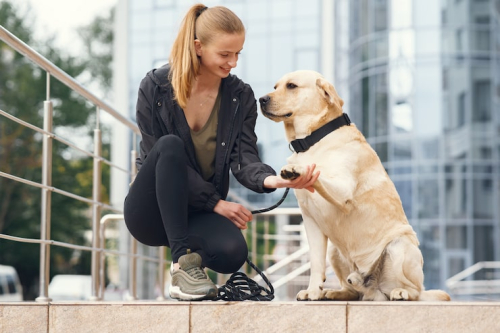
As dog owners weave through the colorful streets of San Francisco’s Mission District or pause for a breather in the grassy expanses of Bernal Heights, one quiet truth emerges: the bond with a new puppy can feel both joyful and overwhelming. Leash pulling during a walk through Potrero Hill, unexpected barking in the Castro District, or unpredictable energy in Noe Valley these moments are universal. Yet more and more local pet parents are discovering a better way forward with force-free puppy training. This isn’t about quick fixes or outdated commands. It’s about understanding how dogs actually learn, building trust instead of fear, and creating lasting harmony in the places where San Franciscans and their pups actually live.
The shift feels timely. As the U.S. pet services market generated revenue of USD 6,076.9 million in 2023, it signals that owners are investing more thoughtfully in professional guidance. But the real story isn’t in the numbers it’s in the calmer walks, the confident greetings, and the deeper connection that follows when training respects a dog’s natural way of learning.
Your dog’s daily struggles pulling, mealtime anxiety, or reactivity don’t just cause stress, they chip away at the joy of being together. At Prime Paw, our positive reinforcement-based programs meet your dog where they are and build confidence, connection, and real skills. Our tailored programs in-person classes, coaching, and online resources help you enjoy calmer walks, relaxed routines, and a deeper connection. Ready for lasting change? Schedule a Prime Paw consultation today!
Why Old-School Methods No Longer Fit Today’s Dogs
For decades, many training approaches relied on dominance, corrections, and tools that created discomfort. These methods often produced short-term compliance but at a cost: anxious dogs, damaged trust, and behaviors that resurfaced under stress. In a city like San Francisco, where dogs encounter crowded sidewalks, off-leash parks, and ever-changing environments daily, fear-based training simply doesn’t hold up. Puppies exposed to harsh corrections can become more reactive, not less, especially in stimulating neighborhoods like SoMa or Dogpatch.
Modern trainers now recognize that dogs learn best when they feel safe. Science has moved on, and so has the conversation among informed owners who want their puppies to thrive, not just obey. The old dominance model, once popular, has been largely replaced by methods that prioritize welfare and long-term behavioral health, particularly important for urban dogs who face constant stimulation and limited space.
The Science Behind Positive Reinforcement
Positive reinforcement is not a trend it is the application of decades of behavioral science. By rewarding desired behaviors with treats, play, praise, or access to something the dog loves, trainers strengthen neural pathways that make those behaviors more likely to repeat. Studies consistently show that dogs trained this way learn faster, retain lessons longer, and exhibit lower stress levels than those trained with aversive methods.
This approach draws directly from operant conditioning principles refined over generations. Instead of suppressing unwanted actions through discomfort, it builds new, desirable habits through motivation. For a puppy navigating the sensory overload of San Francisco streets, this means learning to focus on their person not because they fear correction, but because good things happen when they do. The result is a more resilient learner who carries those skills into everyday city life, from busy crosswalks in the Mission District to relaxed outings in Noe Valley.
Force-Free Training: Respecting the Dog in Front of You
Force-free training means never using pain, fear, or intimidation no choke chains, no prong collars, no yelling. It recognizes that every dog is an individual with emotions, past experiences, and unique motivations. This philosophy aligns with ethical standards embraced by leading veterinary behaviorists and professional organizations worldwide.
In practice, it creates confident learners. A puppy who once lunged at passing dogs in Noe Valley learns instead to look to their handler for guidance, knowing a reward awaits. The result is a dog who feels secure rather than suppressed a crucial distinction when living in close quarters with neighbors, pedestrians, and other animals. This respectful method fosters genuine partnership, turning potential conflicts into opportunities for connection and growth.
Personalized Training Based on Each Dog’s Behavior and Needs
No two puppies are alike, even within the same litter. One might be bold and curious in the Dogpatch; another shy and observant in Bernal Heights. Personalized training starts with careful observation of the individual dog’s body language, triggers, and motivations. Trainers then craft a plan that meets that specific puppy where they are adjusting pace, rewards, and challenges accordingly.
This tailored method prevents frustration for both dog and owner. Instead of forcing a one-size-fits-all curriculum, it builds skills that actually stick because they make sense to the dog in front of you. In the diverse neighborhoods of San Francisco, where each block presents its own challenges and opportunities, this individualized focus ensures real progress that fits the unique lifestyle of every pup and their family.
Training Plus Socialization in One Safe, Supervised Location
One of the smartest innovations in modern puppy development is combining structured training with controlled socialization under the same roof. Rather than hoping random park encounters teach good manners, professional programs create intentional, safe group sessions where puppies learn focus amid distraction while practicing real-world skills.
In a supervised setting, trainers can intervene at the perfect teaching moment guiding play, managing arousal levels, and reinforcing calm greetings. Puppies leave these sessions not just better trained but genuinely more comfortable around other dogs and people, a huge advantage for city life in neighborhoods where encounters happen constantly. This integrated approach maximizes every visit, turning potential chaos into structured confidence-building experiences.
Experienced Trainers Using Positive Reinforcement Methods
Success hinges on the humans guiding the process. Experienced trainers who specialize in force-free techniques bring deep knowledge of canine communication, timing, and motivation. They read subtle signals most owners miss and know exactly when and how to reward to accelerate learning.
These professionals turn abstract science into practical, everyday skills. Their expertise ensures that every session advances the puppy’s confidence without ever crossing into coercion creating results that owners can see and feel on their next walk through the Castro or along the waterfront. With years of hands-on work, they adapt techniques to each dog’s personality, delivering consistent, measurable progress that strengthens the human-canine bond.
Addressing the Real Concerns San Francisco Owners Have
Many prospective clients hesitate for understandable reasons. Some worry about the investment required for quality training. Others wonder whether positive methods will actually work for their strong-willed pup. And nearly everyone struggles with busy schedules that make consistent attendance feel impossible.
- Concern about training cost: While quality programs represent an upfront commitment, they deliver measurable value fewer behavior issues, less stress, and skills that prevent costly problems later. Owners often describe it as an investment in years of easier, more enjoyable life together.
- Not sure if training will work for their puppy: Science is clear: positive reinforcement outperforms traditional methods in both speed and durability of learning. Because it works with a dog’s natural motivations rather than against them, even skeptical owners see rapid progress once they begin.
- Lack of time to attend classes consistently: Thoughtfully designed programs minimize wasted time by focusing sessions on high-impact skills and providing tools for home practice between classes. The integrated training-and-socialization format maximizes learning in each visit, making every minute count.
These concerns are valid, yet the structure of modern programs directly addresses them by delivering efficient, proven results tailored to busy urban lives.
Why This Modern Approach Fits San Francisco Life
From the steep hills of Potrero Hill to the community vibe of the Mission District, San Francisco demands adaptable, confident dogs. Modern training prepares puppies for the realities of urban living polite sidewalk etiquette, calm elevator rides, and comfortable interactions in shared green spaces. It respects the fast-paced, multicultural, pet-friendly culture that makes the city special while giving owners practical tools that actually work here.
Local dog parents who choose this path report more than just better behavior. They describe renewed confidence in their puppies and deeper enjoyment of daily adventures together whether it’s a foggy morning stroll or a sunny afternoon in the park. The approach aligns perfectly with the city’s emphasis on compassion, community, and evidence-based choices, turning everyday challenges into opportunities for stronger bonds.
A New Chapter for You and Your Puppy
The purely positive, force-free, and science-based approach isn’t about perfection. It’s about partnership. It’s about stepping into each training session knowing that every treat, every marker word, and every patient pause builds something lasting: a relationship rooted in trust rather than control.
For those raising puppies in San Francisco’s distinctive neighborhoods, this modern method offers more than good manners. It offers peace of mind, stronger bonds, and the freedom to truly enjoy life with a dog who feels understood. The tools are available. The science is settled. The only question left is how much richer your daily walks and your daily life could become once you embrace it. With personalized attention, safe socialization, and expert positive reinforcement, every San Francisco pup can flourish, creating memories that last well beyond the puppy years.
Frequently Asked Questions
What is force-free puppy training and how does it differ from traditional methods?
Force-free puppy training is an approach that never uses pain, fear, or intimidation eliminating tools like choke chains, prong collars, or harsh corrections. Unlike traditional dominance-based methods that often produce short-term compliance at the cost of trust and increased anxiety, force-free training uses positive reinforcement to build genuine confidence and lasting behavioral habits. Dogs trained this way learn faster, retain lessons longer, and show lower stress levels, making it especially effective for urban environments like San Francisco where puppies face constant stimulation.
Does positive reinforcement training actually work for strong-willed or difficult puppies?
Yes positive reinforcement is grounded in decades of behavioral science and consistently outperforms aversive methods in both the speed and durability of learning. Because it works *with* a dog’s natural motivations rather than against them, even stubborn or high-energy puppies respond well once owners begin. By rewarding desired behaviors with treats, play, or praise, trainers strengthen neural pathways that make those behaviors more likely to repeat, turning even challenging pups into resilient, confident learners.
How does combining puppy training with socialization benefit my dog’s development?
Structured programs that integrate training and socialization under supervised conditions give puppies the chance to practice real-world skills like calm greetings and focus amid distractions in a controlled, safe setting. Unlike unpredictable park encounters, these sessions allow trainers to intervene at the perfect teaching moment, guiding play and reinforcing good behavior in real time. The result is a puppy that is not only better trained but genuinely more comfortable around other dogs and people, a critical advantage for city life where encounters happen constantly.
Disclaimer: The above helpful resources content contains personal opinions and experiences. The information provided is for general knowledge and does not constitute professional advice.
You may also be interested in: Trainers Discuss Best Practices for Introducing Dogs to Children and New Family Members
Your dog’s daily struggles pulling, mealtime anxiety, or reactivity don’t just cause stress, they chip away at the joy of being together. At Prime Paw, our positive reinforcement-based programs meet your dog where they are and build confidence, connection, and real skills. Our tailored programs in-person classes, coaching, and online resources help you enjoy calmer walks, relaxed routines, and a deeper connection. Ready for lasting change? Schedule a Prime Paw consultation today!
Powered by flareAI.co