
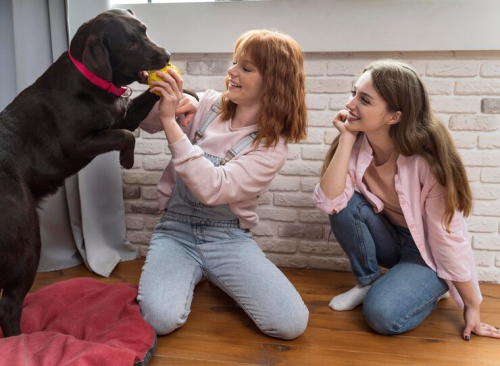
In the bustling neighborhoods of San Francisco, from the vibrant Mission District to the hills of Potrero Hill, new puppy owners quickly learn that early experiences shape lifelong behavior. Yet many overlook the critical role of early social development until subtle signs of fear or reactivity appear. That’s where supervised socialization sessions offer a proven, structured solution, helping young dogs build confidence and dramatically reduce aggression risks amid the city’s energetic pace.
Your dog’s daily struggles pulling, mealtime anxiety, or reactivity don’t just cause stress, they chip away at the joy of being together. At Prime Paw, our positive reinforcement-based programs meet your dog where they are and build confidence, connection, and real skills. Our tailored programs in-person classes, coaching, and online resources help you enjoy calmer walks, relaxed routines, and a deeper connection. Ready for lasting change? Schedule a Prime Paw consultation today!
The Critical Window for Puppy Development
Puppies go through a highly sensitive developmental phase, typically between eight and sixteen weeks of age, during which their brains are wired to form lasting impressions from every new encounter. Positive, controlled exposure to other dogs, people, sounds, and environments during this period creates a solid foundation for emotional balance that endures well into adulthood. Without deliberate guidance, even attentive owners in lively areas like SoMa and Dogpatch can unintentionally leave gaps that later manifest as hesitation or defensive responses.
Urban density in San Francisco heightens the importance of this window. Sidewalks crowded with pedestrians, passing bicycles, and fellow dogs create constant stimuli that can overwhelm an unprepared puppy, turning routine outings into sources of anxiety rather than opportunities for growth.
Why Aggression Risks Increase Without Proper Socialization
Aggression in young dogs seldom arises from an innately difficult temperament. Instead, it most often stems from underlying fear rooted in limited or unmanaged early interactions. A puppy that has not learned to interpret subtle body language may react defensively to a simple greeting or become frozen when encountering unfamiliar situations. These early patterns grow more entrenched as the dog matures physically and gains strength.
In neighborhoods such as Bernal Heights and the Castro District, where shared green spaces and community events bring dogs into frequent contact with diverse stimuli, the absence of early preparation can transform mild caution into more serious behavioral challenges, restricting where owners feel comfortable taking their pets.
The Power of Supervised Socialization Sessions
Supervised socialization sessions bring small, carefully matched groups of puppies together in controlled environments where every interaction remains under the direct oversight of professional trainers. Unlike the uncontrolled atmosphere of public parks, these settings enable immediate intervention, redirection of overly rough play, and reinforcement of positive moments, ensuring that lessons learned are both safe and lasting.
The greatest impact occurs when socialization is thoughtfully combined with foundational training. By integrating both elements in one safe, supervised location, puppies develop essential manners alongside genuine social confidence. This unified approach proves far more effective and efficient than addressing each skill in isolation.
Personalized Training Tailored to Every Puppy’s Unique Needs
Every puppy enters these sessions with its own distinct personality and starting point. Some arrive bold and outgoing, while others hang back, cautious amid the activity. High-quality programs customize activities to match each dog’s behavior and individual requirements rather than following a rigid template. Experienced trainers monitor closely, fine-tuning pace and challenges to help each participant achieve consistent success and build self-assurance.
At the core of this work lies positive reinforcement, which rewards desired behaviors with treats, praise, or play while avoiding methods that could undermine trust. This approach not only lowers the potential for aggression but also deepens the bond between dog and owner, establishing mutual respect that carries over into everyday life across San Francisco’s varied districts.
Addressing Common Concerns of Busy Local Owners
Prospective participants in areas like Noe Valley often express valid hesitations. They question the investment required for professional sessions, wonder whether the training will truly suit their particular puppy, or worry about maintaining consistent attendance given demanding schedules. These concerns merit clear, experience-based responses.
- The investment question: Quality programs represent a meaningful commitment, yet they frequently prevent far costlier problems down the road, including specialized behavior support or the ongoing stress of managing reactivity. The return appears in smoother daily routines, greater peace of mind, and expanded opportunities for shared adventures.
- Will it work for my puppy?: Methods grounded in positive reinforcement and expert oversight have guided countless puppies toward confident navigation of their world. Results vary by individual, but steady participation consistently delivers measurable progress in social skills and overall demeanor.
- Time commitment challenges: Well-designed sessions respect real-world constraints by delivering high-impact learning within efficient time frames. Owners often find that the structure ultimately grants them more freedom once their dogs become reliable and at ease in varied settings.
Why Local Context and Community Make the Difference
Dog owners throughout San Francisco seek programs attuned to the realities of city life steep terrain, rolling fog, and neighborhoods where dogs regularly share space with a diverse mix of residents. Supervised sessions that understand these local dynamics serve as practical training grounds, allowing puppies to practice skills directly applicable to daily urban experiences, from polite sidewalk encounters to relaxed behavior during community events.
Beyond technical training, the communal element strengthens outcomes. Connecting with other owners facing similar rewards and hurdles builds a supportive network that extends well past class hours, transforming the often solitary task of puppy raising into a collaborative journey.
Enrichment, Well-Being, and the Evolving Pet Landscape
Across the United States, pet owners continue to treat their dogs as cherished family members, devoting greater attention and resources to their physical and emotional health. This shift is reflected in the expanding pet market, where owners invest more thoughtfully in ways that enrich their companion’s lives. The growing emphasis on mental stimulation and social development makes supervised socialization sessions particularly relevant today.
Just as carefully selected enrichment activities promote mental engagement at home, real-world group experiences teach communication, impulse control, and adaptability in ways that solitary walks or toys alone cannot match. Together, they foster well-rounded dogs whose calmer, happier dispositions owners notice in every interaction.
Getting Started and Achieving Lasting Results
Selecting the right program involves evaluating experienced staff, appropriate group sizing, and a clear dedication to positive, individualized methods. Once enrolled, owners typically observe rapid gains: puppies display increased confidence, respond more reliably to cues, and greet novel situations with curiosity instead of apprehension. Daily walks transform from tense ordeals into enjoyable outings, while playdates become realistic possibilities rather than risky undertakings.
The early commitment to supervised socialization yields compounding benefits as puppies mature into adults fully equipped to join family activities whether exploring the waterfront in Dogpatch or venturing on weekend hikes beyond city limits. By mitigating aggression risks proactively, these sessions open doors to richer experiences that strengthen the human-canine relationship and elevate everyday living.
Building a Confident Future for San Francisco Dogs
Raising a well-adjusted dog in a dynamic city like San Francisco demands more than love and routine care. It requires informed, proactive measures during the brief but formative weeks when learning capacity peaks. Supervised socialization sessions deliver a reliable pathway, merging professional expertise, safety, and personalization to equip puppies for success in urban environments.
By confronting potential issues before they solidify, these programs help produce dogs that genuinely thrive amid the city’s vitality rather than simply managing it. The outcome extends beyond reduced behavioral challenges to something more profound: deeper, more harmonious companionship the very reward every owner envisions when welcoming that first wide-eyed puppy into their home. The thoughtful investment made now translates into years of easier, more fulfilling shared adventures throughout San Francisco and beyond.
Frequently Asked Questions
Are supervised puppy socialization sessions worth the cost?
While quality socialization programs represent a meaningful upfront investment, they frequently prevent far more costly problems down the road such as specialized behavioral therapy or the ongoing stress of managing a reactive dog in public. Owners typically notice rapid gains: puppies become more confident, respond reliably to cues, and approach new situations with curiosity rather than fear. The long-term payoff is a well-adjusted adult dog that can comfortably join family outings, making daily walks and social interactions genuinely enjoyable rather than stressful.
At what age should puppies start supervised socialization sessions?
Puppies have a critical developmental window typically between eight and sixteen weeks of age, during which their brains are most receptive to forming lasting impressions from new experiences. Starting supervised socialization sessions during this period gives young dogs the best foundation for emotional balance and confident behavior. Waiting too long can allow fear-based responses to become entrenched, making them harder to address as the dog grows stronger and older.
How do supervised socialization sessions reduce aggression risks in young dogs?
Aggression in young dogs most often stems from fear rooted in limited or poorly managed early interactions not from a naturally difficult temperament. Supervised sessions place puppies in controlled, professional settings where trainers can immediately intervene, redirect rough play, and reinforce positive behavior, ensuring every interaction builds confidence rather than anxiety. Combined with positive reinforcement training, this approach teaches puppies to read social cues correctly and respond calmly, significantly lowering the likelihood of defensive or aggressive reactions later in life.
Disclaimer: The above helpful resources content contains personal opinions and experiences. The information provided is for general knowledge and does not constitute professional advice.
You may also be interested in: Canine Researchers Present Findings on the Effects of Owner Consistency in Training Success
Your dog’s daily struggles pulling, mealtime anxiety, or reactivity don’t just cause stress, they chip away at the joy of being together. At Prime Paw, our positive reinforcement-based programs meet your dog where they are and build confidence, connection, and real skills. Our tailored programs in-person classes, coaching, and online resources help you enjoy calmer walks, relaxed routines, and a deeper connection. Ready for lasting change? Schedule a Prime Paw consultation today!
Powered by flareAI.co