
In the bustling streets of San Francisco’s Mission District, where young professionals juggle demanding careers and spirited puppies, one training approach stands out for its quiet effectiveness: consistent positive reinforcement in dog training. Far from the outdated scold-and-correct methods of the past, this reward-based philosophy is transforming how local dog owners connect with their pets, turning chaotic walks in Potrero Hill into harmonious adventures and easing the daily grind in SoMa.
Your dog’s daily struggles pulling, mealtime anxiety, or reactivity don’t just cause stress, they chip away at the joy of being together. At Prime Paw, our positive reinforcement-based programs meet your dog where they are and build confidence, connection, and real skills. Our tailored programs in-person classes, coaching, and online resources help you enjoy calmer walks, relaxed routines, and a deeper connection. Ready for lasting change? Schedule a Prime Paw consultation today!
The Foundations of Positive Reinforcement
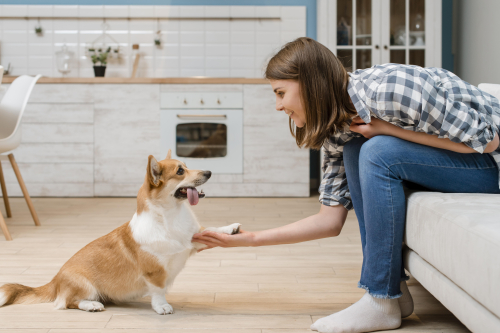
Positive reinforcement is elegantly simple: reward the behaviors you want to see more of. A treat, a clicker sound, enthusiastic praise each marker tells the dog, “Yes, that’s exactly what I’m looking for.” In neighborhoods like Dogpatch and Bernal Heights, where tight living quarters and busy sidewalks demand good manners, this method builds confidence rather than fear.
Experienced trainers at PrimePaw have seen firsthand how puppies respond when training feels like play rather than pressure. Instead of suppressing natural instincts, the approach channels them productively. A young Labradoodle who once pulled toward every passing skateboard now trots calmly beside its owner, tail wagging, because good choices earn immediate rewards.
Why San Francisco Dog Owners Are Embracing This Approach
Urban life in the Castro District and Noe Valley presents unique challenges. Shared courtyard spaces, packed dog parks, and the constant hum of city energy require dogs that are not only obedient but socially adept. Positive reinforcement excels here because it pairs structured training with supervised socialization all in one safe, welcoming environment.
PrimePaw’s personalized programs take this further by tailoring sessions to each dog’s unique personality and the owner’s lifestyle. One puppy might need extra help with recall near busy streets in the Mission, while another benefits from gentle exposure to bicycles in Bernal Heights. This customization addresses a common concern among busy professionals: whether training will actually fit into their packed schedules. Short, focused classes that combine learning and play make consistency achievable.
Emerging Trends in Modern Puppy Training
Across San Francisco, dog owners are moving away from punitive techniques toward methods that strengthen the human-animal bond. Local trainers report higher engagement when puppies associate learning with joy rather than correction. This shift reflects a broader cultural change in how we view our pets not just as companions, but as family members deserving patience and understanding.
Programs that integrate behavior training with socialization sessions are particularly popular. Puppies learn commands while interacting safely with others, building both skills and confidence simultaneously. For owners worried about cost, these combined sessions deliver more value per visit, making professional guidance more accessible than separate classes and unstructured park time.
Real Results in Local Neighborhoods
Consider the difference seen in a lively Mission District puppy group. Over several weeks of consistent positive reinforcement, participants mastered basic commands while learning to navigate distractions common to city life. Leash pulling decreased dramatically, and recall improved even amid the tempting scents of street food vendors.
In Bernal Heights, trainers using clicker training and strategic treat placement helped owners transform chaotic leash walks into pleasant outings. Puppies learned to check in with their people rather than bolt after squirrels, creating calmer, more enjoyable daily routines for everyone involved.
Noe Valley dog parents have shared similar stories. Their puppies display increased confidence in new situations, reduced anxiety during grooming or vet visits, and stronger connections at home. These aren’t abstract improvements they translate into less stress for owners and happier, better-adjusted dogs.
Addressing Common Concerns Head-On
Many first-time puppy parents wonder if positive reinforcement is “too soft” to work with energetic or stubborn breeds. The evidence from local training programs suggests otherwise. By focusing on what motivates each individual dog, trainers achieve reliable results without intimidation. The method builds trust, making dogs more eager to learn and owners more consistent in their approach.
Time constraints represent another frequent objection. PrimePaw’s model acknowledges the reality of San Francisco life long commutes, irregular hours, and limited space. Classes are designed for efficiency, with techniques that owners can practice in short bursts throughout the week. The combination of professional guidance and practical home strategies helps even the busiest households maintain progress.
Cost concerns are valid, yet many owners discover that investing early prevents more expensive issues later, from damaged furniture to stressed relationships with neighbors. Personalized programs often prove more economical than repeated private sessions or dealing with behavior problems that have become entrenched.
The Science and Heart Behind the Method
Positive reinforcement leverages how dogs naturally learn through consequences that feel good. This creates enthusiastic learners rather than reluctant compliers. In supervised group settings, puppies also develop crucial social skills, learning appropriate play styles and reading body language from peers under expert guidance.
The approach particularly shines for urban dogs who encounter constant novel stimuli. A well-socialized puppy who has practiced calm responses in controlled environments handles the unpredictable energy of city streets with greater resilience. Owners report stronger bonds, fewer incidents of unwanted behavior, and more moments of genuine enjoyment together.
Practical Tips for Getting Started
- Start small: Focus on one or two behaviors at a time, using high-value rewards that truly motivate your puppy.
- Be consistent: Everyone in the household should use the same cues and reward system to avoid confusion.
- Combine training with socialization: Look for programs that offer both in safe, structured environments.
- Track progress: Keep a simple journal of successes it helps maintain motivation during challenging phases.
- Seek professional guidance: Experienced trainers can customize approaches and troubleshoot specific issues common in San Francisco living.
Long-Term Benefits for Dogs and Their People
The true power of consistent positive reinforcement reveals itself over months and years. Dogs develop into confident, well-mannered companions who enhance rather than complicate urban life. Owners gain peace of mind knowing their pets can handle the demands of city living while maintaining joyful personalities.
In neighborhoods from SoMa to Noe Valley, these trained dogs become neighborhood favorites reliable playmates at dog parks, calm passengers on Muni, and cherished family members who strengthen community connections. The investment of time and resources returns dividends in the form of reduced stress, stronger relationships, and dogs that truly thrive.
Moving Forward with Your Puppy
Whether you’re navigating puppyhood in a compact Potrero Hill apartment or managing an energetic dog in the vibrant Dogpatch arts scene, positive reinforcement offers a humane, effective path forward. By choosing methods that respect both the dog’s nature and the owner’s reality, San Francisco pet parents are writing a new chapter in companion animal care one marked by patience, understanding, and genuine partnership.
The puppies bounding through our parks and sidewalks today will become the well-adjusted adult dogs of tomorrow. With consistent, compassionate training, that future looks bright for everyone involved.
Frequently Asked Questions
Does positive reinforcement dog training actually work for stubborn or high-energy breeds?
Yes positive reinforcement is effective for all breeds, including energetic or stubborn ones. Rather than using intimidation or correction, the method focuses on what motivates each individual dog, building trust and making them more eager to learn. Local trainers in San Francisco have consistently seen reliable results with even the most spirited puppies using reward-based techniques.
How can busy city dog owners fit consistent puppy training into their schedules?
Positive reinforcement training is well-suited to urban lifestyles because it can be broken into short, focused practice sessions throughout the day. Programs like those offered in San Francisco are designed with efficiency in mind combining behavior training and socialization in single sessions to maximize value. Professional trainers also provide practical home strategies so owners can maintain progress even with long commutes and irregular hours.
What are the long-term benefits of positive reinforcement training for dogs living in urban environments?
Over time, consistent positive reinforcement produces confident, well-socialized dogs that can handle the unpredictable stimuli of city life from crowded sidewalks to street food vendors. Owners report stronger bonds, reduced anxiety in situations like vet visits and grooming, and fewer incidents of unwanted behavior like leash pulling. The early investment in reward-based training also helps prevent costly behavioral problems down the line.
Disclaimer: The above helpful resources content contains personal opinions and experiences. The information provided is for general knowledge and does not constitute professional advice.
You may also be interested in: The Evolution of Modern-Day Dog Training & Obedience
Your dog’s daily struggles pulling, mealtime anxiety, or reactivity don’t just cause stress, they chip away at the joy of being together. At Prime Paw, our positive reinforcement-based programs meet your dog where they are and build confidence, connection, and real skills. Our tailored programs in-person classes, coaching, and online resources help you enjoy calmer walks, relaxed routines, and a deeper connection. Ready for lasting change? Schedule a Prime Paw consultation today!
Powered by flareAI.co