
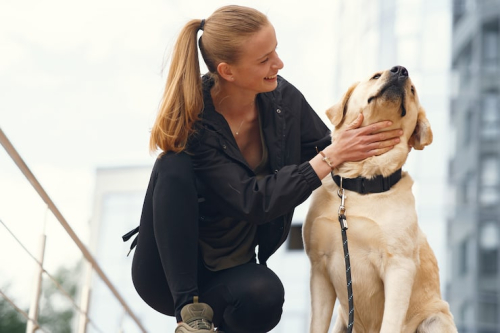
Picture your puppy racing across the open fields of Bernal Heights or confidently navigating the bustling sidewalks of the Mission District without a single tug on the leash. Chaos settles into calm within moments, and those frantic pulls evolve into eager, attentive steps right at your side. This rewarding scene unfolds every day for dog owners across San Francisco who have embraced the science behind positive reinforcement dog training. Far from a fleeting trend, it stands as a thoroughly researched, highly effective approach grounded in the natural ways dogs learn. It builds genuine trust instead of relying on fear, delivering behavioral changes that endure for a lifetime and strengthen the bond between pet and owner.
Your dog’s daily struggles pulling, mealtime anxiety, or reactivity don’t just cause stress, they chip away at the joy of being together. At Prime Paw, our positive reinforcement-based programs meet your dog where they are and build confidence, connection, and real skills. Our tailored programs in-person classes, coaching, and online resources help you enjoy calmer walks, relaxed routines, and a deeper connection. Ready for lasting change? Schedule a Prime Paw consultation today!
What Positive Reinforcement Really Means
At its core, positive reinforcement rewards the exact behaviors you want to see more often. The instant your puppy sits, stays, or comes when called, you deliver a treat, a quick game with a favorite toy, or sincere praise. This immediate feedback makes the action far more likely to repeat in the future. The method feels completely natural because it mirrors how people learn best through encouragement and support rather than criticism or force. In supervised group environments that blend training with socialization, puppies absorb the lesson that smart choices bring positive results. There are no sharp corrections or loud commands. Only clear cues paired with instant rewards create an atmosphere where learning feels safe and enjoyable for every dog.
This personalized approach tailors every exercise to the individual puppy’s unique behavior and needs, ensuring faster progress and deeper understanding. Owners in neighborhoods like Potrero Hill and SoMa quickly notice how their dogs respond with enthusiasm instead of hesitation.
The Brain Science That Makes It Work
Dogs experience a powerful surge of dopamine the brain’s feel-good chemical whenever a rewarding outcome follows a desired action. This neurochemical boost solidifies the link between the behavior and the pleasant result, encouraging the brain to repeat it. Extensive studies in operant conditioning confirm that behaviors reinforced through rewards take root more quickly and remain reliable far longer than those shaped by punishment. Your puppy participates willingly because the experience feels good, not because it fears consequences. This fundamental shift transforms training from a chore into a collaborative, joyful partnership that lasts well beyond the classroom.
Why Traditional Methods Fall Short
Many older training approaches depended on dominance displays, leash corrections, or stern scolding to establish control. Although these tactics sometimes produce short-term obedience, they often create lasting side effects including heightened stress, damaged trust, and increased risk of fear-based aggression. Positive reinforcement avoids these drawbacks completely. It protects the emotional connection between dog and owner while maintaining a calm, supportive learning space. Puppies trained this way demonstrate sharper focus, fewer unwanted behaviors, and more dependable recall even amid the distractions of lively city streets in Dogpatch or the Castro District.
Personalization: Matching the Method to the Dog
Every puppy arrives with its own personality, energy level, and learning style. One may charge forward with bold curiosity while another hangs back with quiet sensitivity. Skilled trainers observe tiny signals tail carriage, ear position, eye contact and fine-tune the pace, rewards, and challenges to suit that individual dog. Whether the goal is better impulse control or greater confidence around other animals, the entire program adapts in real time. This individualized strategy speeds up results and eliminates unnecessary frustration for both the puppy and the owner living in a busy San Francisco neighborhood.
Training and Socialization, All in One Safe Place
The strongest programs go well beyond basic commands. They integrate socialization directly into every session so puppies master polite play, calm greetings, and steady focus amid real-world distractions. In one carefully supervised location, young dogs practice essential life skills without the dangers of random park encounters. The outcome is a balanced companion who remains relaxed and responsive whether strolling through Noe Valley or enjoying a quiet moment in a local café.
Experienced Trainers Turn Science Into Success
Understanding canine behavior science provides the foundation, yet hands-on expertise completes the picture. Seasoned trainers know precisely when to increase difficulty, when to insert a short break, and how to sustain high motivation throughout each session. They transform what might feel like work into an engaging game that both dog and owner anticipate with excitement. That depth of experience ensures every class minute translates into meaningful, lasting improvement once you return home.
Overcoming the Most Common Concerns
Prospective clients frequently voice three main worries when considering professional training. The first involves cost, yet the long-term payoff fewer behavioral issues, reduced household damage, and more pleasant daily walks makes the investment practical and worthwhile. The second centers on doubt that the training will work for their particular puppy. The science is unequivocal: positive reinforcement succeeds across breeds, ages, and temperaments when delivered consistently by knowledgeable professionals. The third concern is limited time in a fast-paced city. Structured classes fit neatly into busy schedules with short, highly effective sessions available right in convenient San Francisco locations.
- Cost concerns ease when owners see the everyday improvements that eliminate ongoing frustration.
- Doubt about effectiveness fades as puppies demonstrate reliable new skills within weeks.
- Time limitations dissolve through focused group formats that maximize learning in minimal hours.
The Growing Demand for Better Dog Training
Pet owners today place greater value than ever on professional support that truly understands canine behavior. The dog training services market was valued at USD 33.27 billion in 2024, a clear sign of how deeply families appreciate expert guidance. In North America especially, more households are choosing science-based methods to raise confident and content dogs. This shift reflects a wider cultural change in which pets are seen as true family members deserving the best tools to build stronger, more harmonious relationships.
From Puppyhood to Lifelong Companionship
The true strength of positive reinforcement lies in both its simplicity and its enduring power. Begin with small, consistent steps and watch your dog’s confidence grow steadily. The same principles that prove effective in early group classes continue to deliver benefits as your puppy matures into adulthood whether you are exploring trails near Potrero Hill or sharing a relaxed evening at home. The foundation you establish now supports years of mutual trust and enjoyment.
Putting Knowledge Into Action
Grasping the science is the essential first step. The next is selecting a program that translates that knowledge into careful, expert practice. Seek trainers who prioritize rewards, read your dog’s individual cues, and design sessions where learning remains safe and genuinely fun. In a vibrant, fast-moving city like San Francisco, the right approach turns everyday walks from a source of stress into a shared adventure filled with connection and calm.
The science behind positive reinforcement dog training is not locked away in laboratories. It reveals itself in every joyful wag and attentive glance. It demonstrates that kindness paired with clarity achieves far more than force ever could. For dogs and the people who cherish them, this method is not merely effective it is truly transformative.
Frequently Asked Questions
How does positive reinforcement dog training actually work scientifically?
Positive reinforcement dog training works by triggering a dopamine release in a dog’s brain whenever a desired behavior is immediately followed by a reward such as a treat, toy, or praise. This neurochemical response strengthens the connection between the behavior and the positive outcome, making the dog more likely to repeat it. Research in operant conditioning confirms that reward-based behaviors are learned faster and remain reliable longer than those shaped through punishment or correction.
Is positive reinforcement dog training effective for all dog breeds and temperaments?
Yes positive reinforcement is proven effective across all breeds, ages, and temperaments when applied consistently by knowledgeable trainers. Skilled trainers read individual cues like tail carriage, ear position, and eye contact to tailor the pace, rewards, and challenges to each dog’s unique personality. Whether your puppy is boldly curious or quietly sensitive, the program adapts in real time to deliver faster results with less frustration.
Why is positive reinforcement better than traditional dog training methods?
Traditional training methods that rely on dominance displays, leash corrections, or stern scolding may produce short-term obedience but often cause lasting side effects including heightened stress, damaged trust, and increased risk of fear-based aggression. Positive reinforcement avoids these drawbacks entirely by creating a calm, supportive learning environment that protects the emotional bond between dog and owner. Dogs trained this way show sharper focus, fewer unwanted behaviors, and more dependable recall even in busy, distraction-filled environments.
Disclaimer: The above helpful resources content contains personal opinions and experiences. The information provided is for general knowledge and does not constitute professional advice.
You may also be interested in: Canine Researchers Present Findings on the Effects of Owner Consistency in Training Success
Your dog’s daily struggles pulling, mealtime anxiety, or reactivity don’t just cause stress, they chip away at the joy of being together. At Prime Paw, our positive reinforcement-based programs meet your dog where they are and build confidence, connection, and real skills. Our tailored programs in-person classes, coaching, and online resources help you enjoy calmer walks, relaxed routines, and a deeper connection. Ready for lasting change? Schedule a Prime Paw consultation today!
Powered by flareAI.co