
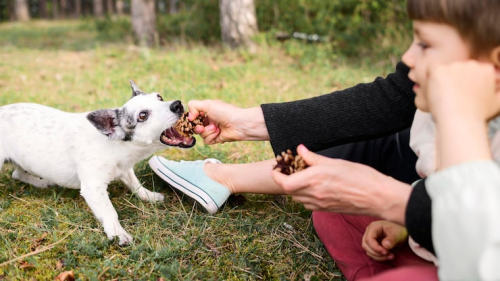
In the vibrant neighborhoods of San Francisco including the Mission District, Potrero Hill, SoMa, Dogpatch, Bernal Heights, Castro District, and Noe Valley dog owners are embracing a gentler, more effective way to raise well-behaved companions. Gone are the days of relying on dominance-based tricks or flashy commands that create tension rather than trust. Instead, a thoughtful approach using treats as part of positive reinforcement training is gaining ground, offering results that feel natural and lasting.
This evolution reflects a growing recognition of how dogs truly learn best through encouragement rather than correction. For busy professionals and families navigating the fast pace of city life in these communities, a humane method that aligns with real schedules and urban realities delivers meaningful change without added stress.
Your dog’s daily struggles pulling, mealtime anxiety, or reactivity don’t just cause stress, they chip away at the joy of being together. At Prime Paw, our positive reinforcement-based programs meet your dog where they are and build confidence, connection, and real skills. Our tailored programs in-person classes, coaching, and online resources help you enjoy calmer walks, relaxed routines, and a deeper connection. Ready for lasting change? Schedule a Prime Paw consultation today!
Why Positive Reinforcement Outshines Traditional Training Methods
Many dog owners recall television trainers issuing sharp commands or applying corrections to achieve quick obedience. While such techniques sometimes produced immediate compliance, they frequently left pets anxious, confused, or disengaged over time. Positive reinforcement changes the dynamic entirely by rewarding desired behaviors with praise, play, or well-timed treats.
Dogs naturally repeat actions that bring positive outcomes. When a puppy offers a calm sit and immediately receives a small, appealing reward along with warm affection, the lesson sinks in because it feels good, not coercive. This process builds a stronger bond between owner and dog, transforming training from a chore into an opportunity for connection.
In lively local parks across Bernal Heights or Noe Valley, where dogs of all sizes and temperaments mingle, this method fosters confident, socially skilled pets that handle group interactions with ease.
The Strategic Power of Treats in Training
Treats become powerful communication tools rather than mere bribes when used with intention and precision. The secret lies in perfect timing delivering the reward at the exact moment the desired behavior occurs so the dog clearly understands the connection.
Begin modestly. A young puppy mastering focus amid the distractions of Potrero Hill’s energetic streets might respond best to a tiny bit of chicken or a soft training treat, far more effectively than a raised voice. As reliability grows, treats can be faded naturally while praise and affection remain constant rewards.
This approach never means overindulgence. It harnesses a dog’s natural motivations. High-value rewards prove especially useful during tougher lessons, such as reliable recall when tempting distractions appear in Mission District green spaces.
Combining Training and Socialization in One Safe Environment
Modern positive methods shine by integrating skill development with essential socialization in a single, controlled setting. Puppies no longer face separate stressful experiences; they practice commands while safely engaging with other dogs under professional supervision.
In these group sessions, participants work on fundamentals like “sit,” “stay,” and polite loose-leash walking while learning to navigate the excitement of new canine friends. The integrated format helps head off common problems such as reactivity or overstimulation that can stem from fragmented training efforts.
For San Francisco residents juggling intense work lives in SoMa or Dogpatch, consolidating everything into one welcoming, supervised location eliminates a significant hurdle. Progress unfolds efficiently without constant shuttling between activities.
Personalized Training Tailored to Each Puppy’s Needs
No two dogs are alike. Distinct personalities, energy levels, and learning paces mean generic programs often miss the mark, leaving owners discouraged when standard advice fails to resonate.
Skilled trainers who customize sessions around each puppy’s specific behaviors and requirements achieve consistently superior outcomes. An energetic Cattle Dog mix in the Castro District might need targeted help with impulse control, while a shy rescue in Noe Valley benefits from gentle confidence-building exercises around unfamiliar people.
This individualized attention extends to practical urban challenges maneuvering busy sidewalks, offering calm greetings outside neighborhood cafés, or remaining composed during noisy cable car journeys.
Overcoming Common Objections to Professional Training
Many prospective clients express concern about the cost of structured training. Yet professional guidance frequently proves economical in the long run by preventing expensive behavioral issues or repeated visits for stress-related problems.
Others question whether the methods will suit their particular puppy. Positive reinforcement stands out for its remarkable adaptability, succeeding across breeds, ages, and histories when delivered with patience and consistency. The emphasis remains on clear communication rather than any single flawless technique.
Time pressures feel especially acute in dynamic San Francisco. Fortunately, concise, focused classes that yield visible progress often integrate more smoothly into packed calendars than inconsistent home efforts. Flexible scheduling and continued support between sessions further ease the commitment.
Strengthening the Human-Canine Bond Through Kind Methods
Effective training delivers far more than polished manners. It cultivates mutual respect and deeper understanding, helping dogs associate cooperation with joy while owners learn to read their pet’s subtle cues and emotional needs.
The outcome is a more harmonious home and a poised companion prepared for shared adventures whether exploring nearby trails, enjoying beach outings, or unwinding together after a demanding day.
Trainers drawing on extensive hands-on experience ensure every step prioritizes safety and steady, sustainable advancement, steering owners clear of pitfalls that could undermine trust or slow development.
What Rising Interest in Dog Services Reveals
As more people welcome dogs into their families as full members, demand for quality professional services continues to expand. North America has maintained a leading position in the broader dog services landscape, driven by strong pet ownership and heightened attention to behavioral well-being.
Within this space, training offerings particularly benefit from the shift toward humane, positive reinforcement approaches that create enduring improvements in behavior and the overall owner-pet relationship. People increasingly seek solutions that enhance connection rather than merely impose control.
Practical Steps to Begin Positive Reinforcement Training
Launching this journey requires no immediate perfection. Concentrate on small, attainable successes and acknowledge them warmly together. Home consistency reinforces lessons from group environments, generating encouraging momentum for both dog and owner.
Select programs and instructors who place safety, close supervision, and personalized care at the forefront. Prioritize environments that thoughtfully merge training exercises with socialization chances in clean, comfortable spaces designed with city puppies in mind.
A More Rewarding Path for Dogs and Owners Alike
Training with thoughtfully used treats instead of outdated dominance-based tricks opens the door to a genuine partnership rooted in trust and mutual enjoyment. Across San Francisco’s diverse, dog-friendly neighborhoods, this humane philosophy is fostering happier households and better-adjusted pets.
The next time your puppy responds with an enthusiastic yet controlled sit or maintains composure on a crowded sidewalk, pause to appreciate the foundation: clear understanding of what truly motivates them. A well-timed reward, delivered with authentic warmth, can turn everyday challenges into opportunities for growth and transform a new arrival into a cherished lifelong companion.
By choosing methods grounded in kindness and proven behavioral science, local dog owners demonstrate that the most successful training feels less like obligation and more like shared play creating bonds that endure far beyond the puppy stage and enrich daily life in these vibrant communities.
Frequently Asked Questions
Is positive reinforcement dog training more effective than traditional dominance-based methods?
Yes positive reinforcement training consistently outperforms dominance-based methods for long-term results. Rather than producing anxious or confused dogs, rewarding desired behaviors with treats, praise, or play builds genuine understanding and a stronger bond between owner and dog. Dogs naturally repeat actions that feel rewarding, making this approach both humane and highly effective across breeds, ages, and temperaments.
How do you use treats correctly in dog training without overindulging your dog?
The key is timing and intention delivering a small treat at the exact moment the desired behavior occurs so your dog clearly connects the action with the reward. Start with high-value treats for challenging lessons (like recall in a distracting environment), then gradually fade treat frequency as reliability improves, keeping praise and affection as ongoing rewards. Used strategically, treats are a communication tool, not a bribe, and portion sizes stay minimal throughout the process.
Can puppy training and socialization happen at the same time?
Absolutely modern positive reinforcement programs integrate skill-building and socialization in a single supervised setting, which is actually more effective than treating them separately. Puppies practice core commands like “sit,” “stay,” and loose-leash walking while safely interacting with other dogs, reducing the risk of reactivity or overstimulation later on. This combined approach is especially practical for busy owners, eliminating the need to shuttle between separate classes or activities.
Disclaimer: The above helpful resources content contains personal opinions and experiences. The information provided is for general knowledge and does not constitute professional advice.
You may also be interested in: Canine Researchers Present Findings on the Effects of Owner Consistency in Training Success
Your dog’s daily struggles pulling, mealtime anxiety, or reactivity don’t just cause stress, they chip away at the joy of being together. At Prime Paw, our positive reinforcement-based programs meet your dog where they are and build confidence, connection, and real skills. Our tailored programs in-person classes, coaching, and online resources help you enjoy calmer walks, relaxed routines, and a deeper connection. Ready for lasting change? Schedule a Prime Paw consultation today!
Powered by flareAI.co