
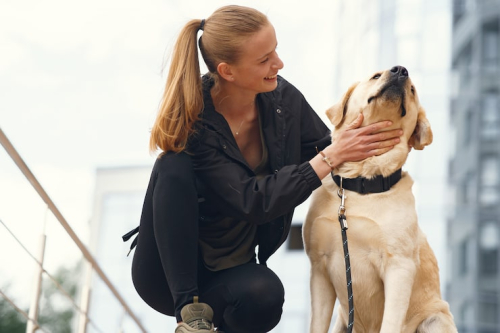
As dog owners in San Francisco navigate the joys and challenges of sharing their lives with canine companions, selecting the right training approach becomes essential for building a strong, trusting relationship. Positive reinforcement dog training stands out as a humane, effective method that focuses on rewarding desired behaviors rather than punishing unwanted ones. Understanding what to look for in a positive reinforcement dog trainer can help ensure your pup develops confidence, good manners, and a deeper bond with you.
Your dog’s daily struggles pulling, mealtime anxiety, or reactivity don’t just cause stress, they chip away at the joy of being together. At Prime Paw, our positive reinforcement-based programs meet your dog where they are and build confidence, connection, and real skills. Our tailored programs in-person classes, coaching, and online resources help you enjoy calmer walks, relaxed routines, and a deeper connection. Ready for lasting change? Schedule a Prime Paw consultation today!
Understanding Positive Reinforcement Training
Positive reinforcement, often called R+ training, rewards dogs for behaviors you want to see more of, using treats, praise, toys, or play. This science-backed approach encourages dogs to learn enthusiastically while avoiding fear or anxiety that can come from aversive methods. Unlike balanced dog training that might incorporate corrections or tools like choke chains, force-free methods prioritize the dog’s emotional well-being and long-term success.
Dogs trained with positive reinforcement tend to view learning sessions as fun interactions rather than stressful experiences. This builds confidence and strengthens the human-dog bond, making it particularly valuable for addressing common issues like leash manners, puppy socialization, or problem behaviors in busy urban environments like those found in neighborhoods across San Francisco.
Why Choose a Positive Reinforcement Dog Trainer
Pet owners seeking positive reinforcement versus balanced dog training often discover that reward-based methods deliver better results with fewer side effects. Scientific support from veterinary behavior organizations highlights how these techniques lead to higher obedience rates while reducing risks of increased anxiety or aggression.
Positive reinforcement training has emerged as the preferred method for teaching dogs new skills and addressing behaviors because it focuses on rewarding what the dog does right, creating an enjoyable learning experience that builds confidence and strengthens the bond between dog and guardian. Unlike balanced approaches that incorporate aversive techniques such as choke chains or corrections, purely positive or LIMA (Least Intrusive, Minimally Aversive) methods prioritize techniques with minimal risk of stress, fear, or harm. Scientific evidence from veterinary behavior organizations supports that reward-based training is more effective, leading to higher obedience rates and fewer side effects like increased anxiety or aggression. Trainers using this style monitor dogs closely for signs of discomfort and adjust plans accordingly, ensuring sessions remain fun and productive. For pet owners evaluating trainers, understanding the difference helps identify professionals who rely on rewards like treats, toys, or praise rather than punishment. This method works across all ages, breeds, and temperaments, helping dogs learn basic commands, loose-leash walking, and more complex behaviors while preserving their emotional health. Owners benefit too, gaining tools to communicate clearly and maintain consistency without confrontation. The result is a confident, eager learner who views training as a positive interaction rather than something to endure. Choosing a trainer committed to these principles supports better welfare outcomes and long-term behavioral success, making it a smart choice for families seeking ethical, science-backed guidance in raising well-mannered dogs.
In practice, this means dogs learn to associate training with positive outcomes, becoming eager participants rather than reluctant ones. For families dealing with behavioral challenges or starting with a new puppy, a trainer committed to these principles provides tools that support consistency at home without confrontation. The result is a well-adjusted dog that enjoys the process and forms deeper connections with its people.
Key Qualifications to Evaluate
When researching how to choose a dog trainer, credentials matter. Look for professionals affiliated with organizations like the Certification Council for Professional Dog Trainers, which demonstrate commitment to ongoing education and high standards. Experience with specific needs whether puppy classes, loose-leash walking, or addressing reactivity should align with your situation.
Ask about their training philosophy upfront. A quality positive reinforcement dog trainer will clearly explain their use of reward-based techniques and avoidance of aversive tools. They should emphasize setting dogs up for success through management, alternative behaviors, and patience rather than punishment.
Selecting the right dog trainer involves careful evaluation of their methods, philosophy, and approach to ensure they align with humane, effective practices that build trust and strengthen the human-dog bond. Positive reinforcement stands out as a science-based method that rewards desired behaviors with treats, praise, or play, encouraging dogs to repeat those actions while fostering enthusiasm for learning. This approach avoids aversive tools or corrections that can create fear or anxiety, instead focusing on teaching alternative behaviors and setting dogs up for success. When searching for a trainer, pet owners should inquire about their training philosophy upfront, confirming a commitment to reward-based techniques that prioritize the dog’s welfare and emotional well-being. Experience with specific needs, such as puppy socialization, leash manners, or addressing problem behaviors, is crucial, as is the format of sessions group classes for socialization opportunities or private sessions for individualized attention.
Credentials from organizations like the Certification Council for Professional Dog Trainers demonstrate dedication to ongoing education and professional standards. Observing a class allows guardians to assess the trainer’s patience, communication style, and ability to engage both dogs and humans positively. A quality trainer educates owners on dog behavior, body language, and learning principles, empowering families to maintain consistency at home. This investment leads to well-adjusted dogs that enjoy training sessions and form deeper connections with their people, making it essential for anyone committed to ethical, long-term training success. By prioritizing trainers who emphasize positive reinforcement, owners can avoid common pitfalls in an unregulated industry and achieve harmonious, joyful relationships with their companions.
Questions to Ask Potential Trainers
Effective evaluation starts with thoughtful questions. Inquire about their approach to common scenarios: How do they handle a dog that jumps on guests or pulls on the leash? What methods do they use for fearful or reactive dogs? Their answers should reflect humane dog training techniques focused on understanding body language and learning principles.
Find out about session formats. Group classes offer valuable socialization opportunities, especially beneficial in dense urban settings, while private sessions provide personalized attention. A skilled trainer educates owners on dog behavior alongside working with the dog, empowering families to maintain progress independently.
Observe a class or session if possible. Watch for the trainer’s patience, communication style, and ability to engage both dogs and humans positively. Dogs should appear relaxed and motivated, with plenty of rewards and breaks as needed.
Red Flags to Watch For
Not all trainers use ethical methods, even if they market themselves as positive. Be cautious of anyone promoting quick fixes, heavy reliance on aversive tools, or guarantees of perfect behavior. True force-free dog training methods acknowledge that behavior change takes time and consistency.
Avoid trainers who dismiss the importance of the dog’s emotional state or rely primarily on corrections. Professional positive reinforcement trainers monitor for signs of stress and adjust plans accordingly, ensuring sessions remain productive and enjoyable.
Benefits of Working with a Certified Professional
Investing in a certified dog trainer using positive reinforcement pays dividends in the form of a harmonious household and a confident companion. These experts help translate complex behavior science into practical, everyday strategies that families can implement consistently.
Many owners report stronger bonds and fewer behavioral issues after committing to this approach. By focusing on prevention and positive experiences, trainers help create environments where dogs thrive, reducing stress for everyone involved. This is especially relevant for multi-pet households or those balancing busy schedules in vibrant communities.
Integrating Training Into Daily Life
Successful training extends beyond formal sessions. A good trainer provides guidance on incorporating skills into routine activities during walks in local parks, playtime at home, or interactions with neighbors. They emphasize management strategies to prevent rehearsal of unwanted behaviors while teaching alternatives.
Consistency across family members is key. Look for trainers who equip owners with clear instructions and realistic expectations, helping sustain progress long after sessions end. This collaborative approach turns training into an ongoing, positive part of life together.
Getting Started in San Francisco
For dog owners in areas like the Mission District, Potrero Hill, or Noe Valley, finding a qualified positive reinforcement dog trainer who understands local lifestyles can make the process smoother. Consider trainers familiar with urban challenges such as limited space, frequent distractions, and diverse social environments.
Start by reaching out to professionals whose methods align with humane, science-based practices. Many offer initial consultations to discuss your specific goals and assess fit. This step helps ensure the training relationship supports both your dog’s needs and your family’s preferences.
Choosing wisely sets the foundation for a lifetime of joyful companionship. With the right guidance, positive reinforcement training becomes more than skill-building it becomes an enriching experience that deepens your connection with your dog.
selecting a positive reinforcement dog trainer involves careful attention to philosophy, credentials, methods, and personal fit. By prioritizing professionals who use humane techniques and focus on building trust, San Francisco dog owners can achieve lasting behavioral success and stronger relationships with their beloved companions. The investment in quality training pays off in a happier, more confident dog and a more harmonious home life.
Frequently Asked Questions
What is positive reinforcement dog training and how does it work?
Positive reinforcement dog training is a science-based, force-free method that rewards desired behaviors with treats, praise, toys, or play. Instead of using punishment or aversive tools, it encourages dogs to repeat good behaviors by creating positive associations with learning. This approach helps build confidence, reduces anxiety, and strengthens the bond between dogs and their owners. It is especially effective for teaching obedience skills, leash manners, and socialization in a stress-free way.
How do I choose a qualified positive reinforcement dog trainer?
When choosing a positive reinforcement dog trainer, look for professionals with certifications from reputable organizations like the Certification Council for Professional Dog Trainers. A good trainer will clearly explain their reward-based methods and avoid aversive tools such as choke chains or shock collars. It is also important to ask about their experience with your specific needs, such as puppy training or reactivity issues. Observing a class can help you evaluate their communication style and how comfortably dogs respond to their methods.
What are red flags when selecting a dog trainer?
Red flags include trainers who rely on punishment-based techniques, promote quick fixes, or guarantee immediate behavior changes. Be cautious of those who use aversive tools or ignore a dog’s emotional well-being during training sessions. Ethical positive reinforcement trainers understand that behavior change takes time and focus on setting dogs up for success. A lack of transparency about methods or dismissal of reward-based training can also indicate an unqualified or outdated approach.
Disclaimer: The above helpful resources content contains personal opinions and experiences. The information provided is for general knowledge and does not constitute professional advice.
You may also be interested in: Positive Reinforcement Dog Training Guide
Your dog’s daily struggles pulling, mealtime anxiety, or reactivity don’t just cause stress, they chip away at the joy of being together. At Prime Paw, our positive reinforcement-based programs meet your dog where they are and build confidence, connection, and real skills. Our tailored programs in-person classes, coaching, and online resources help you enjoy calmer walks, relaxed routines, and a deeper connection. Ready for lasting change? Schedule a Prime Paw consultation today!
Powered by flareAI.co