
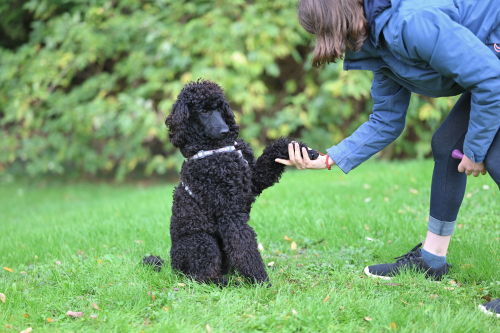
Bringing a new puppy into a busy household often raises questions about the best ways to support healthy development. Owners frequently notice that the first few months shape how their dog responds to daily life, from meeting neighbors on the sidewalk to handling the sounds and activity of an urban setting. Early training offers a practical path to building skills that help prevent many common behavior challenges from taking hold later.
Your dog’s daily struggles pulling, mealtime anxiety, or reactivity don’t just cause stress, they chip away at the joy of being together. At Prime Paw, our positive reinforcement-based programs meet your dog where they are and build confidence, connection, and real skills. Our tailored programs in-person classes, coaching, and online resources help you enjoy calmer walks, relaxed routines, and a deeper connection. Ready for lasting change? Schedule a Prime Paw consultation today!
Understanding the Puppy Socialization Window
The weeks before a puppy reaches twelve weeks of age mark a time of heightened openness to new experiences. During this period, puppies naturally explore their surroundings with curiosity, making it easier to introduce positive associations with people, places, and routines. Controlled exposure during these early weeks teaches them how to recover from mild stress and approach novelty with confidence instead of fear.
Experts highlight that this window provides an opportunity to lay foundations for emotional regulation. When puppies learn through gentle, structured interactions, they develop better adaptability. In environments with frequent new stimuli, such as city sidewalks, parks, and visitor-filled homes, these early lessons support calmer responses as the dog matures. Starting socialization thoughtfully helps reduce the likelihood that ordinary encounters will later trigger anxiety or overreactions.
The critical first weeks with a new puppy represent a prime opportunity to shape lifelong behavior patterns through consistent routines and careful exposure to the world. Establishing a household schedule right away helps puppies learn appropriate potty habits, manage chewing urges with suitable toys, and practice short periods of alone time to build independence and reduce future separation-related issues. Light, playful training sessions introducing basic cues like sit, come, and stay lay a foundation of clear communication that makes daily life smoother for both dog and owner. Socialization during this window, ideally before twelve weeks when puppies naturally become more cautious, involves inviting diverse people into the home environment and controlled outings that allow safe observation of new sights and sounds. These experiences teach puppies how to recover from mild stress and approach novelty with confidence rather than fear.
Bite inhibition, learned through appropriate play and gentle human interactions, becomes one of the most valuable safety skills, helping prevent escalation of mouthing into problematic behaviors later. Continuing socialization through structured puppy classes reinforces body language reading and appropriate interactions with other dogs. For San Francisco families bringing home a new puppy, prioritizing these early steps aligns directly with preventing common behavior challenges that lead to frustration, rehoming, or more intensive interventions down the line. Investing time upfront in positive, science-informed practices creates a resilient, well-adjusted companion who thrives in urban environments and strengthens the human-dog bond for years to come. This proactive approach not only reduces the likelihood of fear, aggression, or anxiety but also supports overall mental well-being, making everyday activities like walks, visitors, and grooming far more enjoyable. For more insights, see this expert guidance on early puppy socialization.
Evidence Supporting Early Training Benefits
A large-scale retrospective study examining more than one thousand dogs found that those who participated in puppy training classes before six months of age showed reduced odds of several adult behavior problems. The analysis linked early training to lower risks of aggression toward people or other dogs, compulsive behaviors, destructive chewing or digging, and excessive barking. Outcomes remained similar whether training began in the earliest weeks or a bit later within the pre-adolescent period, offering flexibility while underscoring the value of acting before six months.
The same research noted that puppies acquired by twelve weeks of age tended to have lower chances of developing fear, anxiety, or destructive tendencies. These findings point to the advantage of proactive steps during key developmental stages. For guardians navigating urban routines, early training supplies tools for managing reactivity and encouraging calm behavior amid the variety of sights and sounds that come with city living.
A large-scale retrospective study examining over a thousand dogs found compelling evidence that attending puppy training classes before six months of age significantly lowers the risk of several common adult behavior problems. Dogs who participated in early training showed reduced odds of aggression toward people or other dogs, compulsive behaviors, destructive chewing or digging, and excessive barking compared to those without such classes. The analysis revealed no meaningful difference in outcomes between starting training in the very early weeks versus slightly later within the pre-adolescent period, suggesting flexibility while still emphasizing the value of acting before six months. Additional insights from the data highlighted that puppies acquired by twelve weeks of age had lower chances of developing fear or anxiety and destructive tendencies. These findings underscore how structured early learning opportunities help dogs develop better emotional regulation and adaptability to human environments.
For new puppy guardians, this research reinforces the importance of enrolling in positive reinforcement-based programs during the key developmental window to build resilience against issues that often surface in adolescence or adulthood. In busy households like those in San Francisco, where dogs encounter frequent novel stimuli from city life, early training provides tools for managing reactivity and fostering calm responses. The study supports broader efforts to educate owners on proactive prevention rather than waiting for problems to emerge, ultimately contributing to stronger retention in homes and fewer surrenders to shelters. By focusing on reward-based methods that enhance communication and confidence, early training sets puppies up for success across various life stages and contexts. Learn more from this research on pre-adolescent training effects.
Establishing Routines and Basic Skills From the Start
Consistent household schedules in the first weeks help puppies learn appropriate potty habits and manage chewing urges with suitable toys. Short, regular periods of alone time build independence and lower the chance of future separation-related difficulties. These simple structures create predictability that supports overall well-being.
Light, playful sessions introducing basic cues such as sit, come, and stay lay the groundwork for clear communication between dog and owner. When these foundations are set early, daily interactions become smoother. Owners often find that puppies who practice these skills from the beginning respond more reliably during walks, greetings, and everyday household activities, reducing frustration for everyone involved.
Preventing Common Behavior Problems Through Proactive Steps
Many behavior challenges that appear in adolescence or adulthood trace back to gaps in early learning. Without structured guidance, puppies may develop stronger tendencies toward fear responses, excessive barking, or destructive habits when faced with new situations. Addressing these areas early through positive methods helps prevent escalation.
Research indicates that dogs with early training experience demonstrate better emotional regulation and adaptability to human environments. This proactive approach supports stronger retention in homes and fewer surrenders to shelters. By focusing on reward-based techniques that enhance communication and confidence, owners give their puppies resources to handle the demands of later life stages more effectively.
The Role of Positive Reinforcement in Puppy Obedience Training Basics
Methods centered on positive reinforcement strengthen the human-dog bond while teaching desirable behaviors. Reward-based approaches encourage puppies to offer wanted actions rather than relying on correction, which can create confusion or fear. This style of training aligns with building trust and clear expectations from the outset.
Structured puppy classes extend these principles by reinforcing body language reading and appropriate interactions with other dogs. Participants learn alongside peers in a supervised setting, gaining practice that translates to real-world encounters. Owners who invest in these evidence-informed practices often report more enjoyable daily activities, including walks, grooming sessions, and welcoming visitors.
Supporting Long-term Success in Urban Settings
Dogs raised with early training tend to thrive amid the variety of an urban lifestyle. They handle novel stimuli from city life with greater composure, whether navigating busy streets, sharing space in apartments, or meeting diverse people and animals. The skills developed early reduce the likelihood that reactivity or anxiety will interfere with quality time together.
Investing in these foundations during the critical window creates a resilient companion. Everyday routines become more pleasant, and the relationship between owner and dog grows stronger over the years. This preparation turns potential challenges into opportunities for connection and shared enjoyment.
Early training equips puppies with the tools they need to become well-adjusted members of the household. By prioritizing positive, science-informed practices during the most receptive developmental period, owners help set the stage for years of smoother interactions and a deeper bond. The effort made in those first months continues to pay dividends as the dog matures into a confident, responsive companion.
Frequently Asked Questions
Why is early puppy training important for preventing future behavior problems?
Early puppy training is critical because it shapes how dogs respond to new experiences and environments during their most receptive developmental stage. Introducing structure, routines, and positive reinforcement early helps reduce the likelihood of aggression, excessive barking, destructive chewing, and anxiety later in life. Puppies that receive early guidance are more likely to develop emotional regulation and adaptability, especially in busy or urban households. This foundation supports a calmer, more confident adult dog.
What is the puppy socialization window and why does it matter for behavior development?
The puppy socialization window refers to the period before about 12 weeks of age when puppies are especially open to new people, environments, and stimuli. Positive, controlled exposure during this time helps them build confidence and learn to recover from mild stress rather than developing fear-based reactions. Experiences introduced in this stage strongly influence long-term behavior patterns, including how dogs handle strangers, noises, and new settings. Proper socialization during this window reduces the risk of anxiety and reactivity later in life.
Are puppy obedience classes before 6 months effective in preventing behavior issues?
Yes, research shows that enrolling puppies in obedience training classes before six months of age significantly reduces the risk of common behavior problems. Dogs that attend early classes are less likely to develop aggression, compulsive behaviors, destructive habits, or excessive barking as adults. These programs also reinforce positive reinforcement techniques and improve communication between dogs and owners. Starting early provides flexibility in timing while still maximizing long-term behavioral benefits.
Disclaimer: The above helpful resources content contains personal opinions and experiences. The information provided is for general knowledge and does not constitute professional advice.
You may also be interested in: Addressing Separation Anxiety Through Positive Reinforcement Techniques
Your dog’s daily struggles pulling, mealtime anxiety, or reactivity don’t just cause stress, they chip away at the joy of being together. At Prime Paw, our positive reinforcement-based programs meet your dog where they are and build confidence, connection, and real skills. Our tailored programs in-person classes, coaching, and online resources help you enjoy calmer walks, relaxed routines, and a deeper connection. Ready for lasting change? Schedule a Prime Paw consultation today!
Powered by flareAI.co