
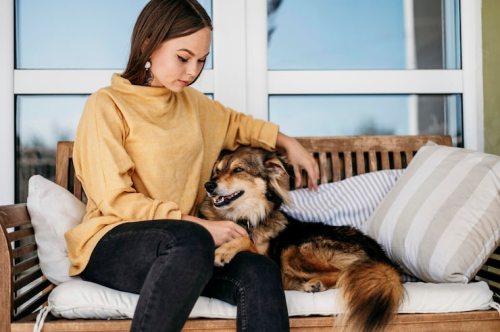
When a new puppy bounds into your life with boundless energy and those irresistible eyes, the last thing on most owner’s minds is the possibility of future distress when left alone. Yet the earliest weeks and months lay the critical foundation for how confidently your dog will handle solitude throughout its life. Taking proactive steps to prevent separation anxiety transforms potential challenges into opportunities for building emotional resilience, ensuring your pup views independence as safe and manageable rather than frightening.
Your dog’s daily struggles pulling, mealtime anxiety, or reactivity don’t just cause stress, they chip away at the joy of being together. At Prime Paw, our positive reinforcement-based programs meet your dog where they are and build confidence, connection, and real skills. Our tailored programs in-person classes, coaching, and online resources help you enjoy calmer walks, relaxed routines, and a deeper connection. Ready for lasting change? Schedule a Prime Paw consultation today!
Recognizing the True Nature of Separation Anxiety
Separation anxiety goes far beyond ordinary puppy mischief or boundary testing. It represents a deep-seated emotional response driven by fear of being abandoned by the family pack. Common indicators include intense barking or howling the instant you leave, targeted destruction of items carrying your scent, indoor accidents despite reliable house training, and behaviors such as pacing, excessive drooling, or desperate attempts to escape a crate. These actions stem from genuine distress rather than spite, highlighting a young dog’s struggle to self-soothe when its primary source of security vanishes.
Puppies arrive in the world biologically programmed for close social bonds, depending entirely on their mother and littermates for survival and comfort in the beginning. Contemporary lifestyles filled with work obligations and daily errands often conflict with this innate need. Without thoughtful early intervention, that mismatch can solidify into persistent anxiety that carries into adulthood. Spotting the warning signs promptly empowers owners to guide their puppy toward healthier coping mechanisms before problematic patterns take root.
The Critical Window During Puppyhood for Prevention
The period beginning the day you welcome your puppy home typically from eight weeks through about eighteen months offers an unparalleled opportunity for prevention. During this developmental phase, a dog’s brain rapidly forms associations related to safety, daily rhythms, and self-reliance. Gentle, consistent guidance at this stage helps wire positive connections, making future alone time feel routine rather than threatening. Delaying action until anxiety fully emerges demands significantly more effort to resolve.
Consider the analogy of teaching a young child water safety: beginning with supported, shallow experiences builds comfort and skill gradually. The same logic holds for puppies. Modest daily investments during these formative months yield lifelong benefits, reducing stress for both the dog and the household while fostering a more balanced companion.
Establishing Predictable Daily Routines
Consistency ranks among the most powerful tools for easing a puppy’s transition to independence. A reliable schedule encompassing feeding times, walks, interactive play sessions, and calm downtime signals to your pup that the world operates in an orderly, dependable fashion. Matching meal hours, following familiar walking routes, and ending evenings with the same soothing ritual all reinforce that departures remain temporary and unremarkable.
Initiate the process modestly by practicing brief separations while remaining inside the home perhaps stepping into another room for just a couple of minutes before returning with neutral composure. Gradually extend these intervals over successive days and weeks. The objective centers not on enforced isolation but on demonstrating that periods of solitude constitute a normal, uneventful slice of everyday life.
Implementing Effective Gradual Desensitization Techniques
Gradual desensitization stands as the cornerstone approach for heading off separation difficulties. This methodical process starts with rehearsing the typical pre-departure sequence reaching for keys, slipping on shoes, or gathering belongings without actually exiting. Repeat these actions frequently until your puppy shows minimal reaction, effectively neutralizing the emotional charge those cues once carried.
Progress to actual short exits, beginning with mere thirty seconds outside before re-entering calmly. Praise quiet, relaxed behavior subtly and proceed with normal activities rather than making a fuss. Extend durations incrementally, always ensuring returns occur prior to any rising distress. Enhance these sessions by providing engaging distractions such as a durable chew toy or a Kong stuffed with appealing fillings, reframing alone time as an enjoyable occasion rather than a source of worry. Though advancement may seem slow, each successful step strengthens your puppy’s capacity for calm independence.
Creating a Comfortable and Stimulating Alone-Time Environment
Leaving a puppy in a barren space invites anxiety to flourish. Instead, designate a secure, inviting area whether a properly ventilated crate or a gated puppy-proof zone equipped with comfortable bedding infused with your familiar scent, an assortment of safe toys, and perhaps a well-worn article of clothing for reassurance. The setting should evoke a welcoming sanctuary, not confinement.
Incorporate elements that engage the mind and senses. Food-dispensing puzzle toys encourage problem-solving and occupy attention productively. Background sounds like soft classical music or gentle white noise can buffer against disruptive external noises. Refresh the selection of toys periodically to sustain interest. Through these thoughtful preparations, the underlying message becomes evident: time spent alone can hold its own rewards and satisfactions.
Combining Physical Activity, Mental Enrichment, and Supportive Tools
Physical exercise plays a vital role in minimizing anxiety triggers. Regular age-appropriate outings, games of fetch, and brief training exercises help expend surplus energy that might otherwise manifest as restlessness or worry during absences. Equally important are cognitive challenges simple games like scent work or hiding treats that bolster focus and self-confidence.
Contemporary resources further simplify the process. Many pet owners now incorporate interactive training applications that deliver structured guidance on positive reinforcement methods, behavioral techniques, and targeted exercises for building independence. These tools make daily practice sessions convenient and effective, complementing hands-on efforts at home and rendering the overall training experience more accessible for busy households.
Integrating Professional Guidance When Needed
While the majority of puppies thrive under dedicated at-home protocols, certain cases benefit from expert intervention. Persistent or intensifying destructive tendencies, signs of self-harm, or prolonged vocalization warrant consultation with a qualified trainer or veterinary behavior specialist. These professionals can exclude underlying health concerns and develop individualized strategies, occasionally incorporating temporary supportive measures alongside behavior modification.
The broader landscape of pet care continues to evolve to meet such needs. Growing interest in premium and personalized services reflects owner’s increasing commitment to enhancing their pet’s emotional well-being and overall lifestyle. Early professional input can avert escalation, preserving a harmonious relationship grounded in mutual trust and enjoyment.
Fostering Enduring Emotional Confidence
Efforts to prevent separation anxiety ultimately transcend the avoidance of unwanted behaviors. They cultivate a dog that feels secure in its environment and capable of managing its own emotions. Every instance of relaxed solitude, every uneventful short departure, and every independently solved puzzle contributes to a sturdy framework of resilience that supports the dog across all life stages.
This path calls for patience, observation, and empathy, yet the outcomes prove profoundly rewarding: a composed companion who welcomes your return with genuine delight instead of overwhelming relief. The quiet dedication invested during puppyhood quietly forges a future characterized by steady assurance and a deeply connected partnership capable of weathering life’s inevitable separations with grace.
Frequently Asked Questions
What are the early signs of separation anxiety in puppies?
Early signs of separation anxiety include intense barking or howling the moment you leave, destructive behavior targeting items with your scent, indoor accidents despite being house-trained, and physical symptoms like pacing or excessive drooling. These behaviors stem from genuine fear of abandonment rather than defiance or mischief. Recognizing them early gives owners the opportunity to guide puppies toward healthier coping habits before the patterns become deeply ingrained.
When is the best time to start preventing separation anxiety in puppies?
The ideal prevention window begins the day you bring your puppy home typically from 8 weeks through about 18 months of age. During this critical developmental phase, a puppy’s brain is rapidly forming associations around safety, routine, and self-reliance. Starting gentle, consistent alone-time training early makes solitude feel routine rather than threatening, and is far less effort than addressing full-blown anxiety later.
How do you use desensitization to prevent separation anxiety in puppies?
Gradual desensitization involves slowly acclimating your puppy to departure cues and alone time in small, manageable steps. Start by rehearsing pre-leaving routines like grabbing keys or putting on shoes without actually leaving, until your puppy reacts calmly. Then practice real absences starting at just 30 seconds, slowly extending the duration while always returning before distress sets in. Pairing alone time with engaging distractions like a stuffed Kong or puzzle toy helps reframe solitude as a positive, rewarding experience.
Disclaimer: The above helpful resources content contains personal opinions and experiences. The information provided is for general knowledge and does not constitute professional advice.
You may also be interested in: Trainers Discuss Best Practices for Introducing Dogs to Children and New Family Members
Your dog’s daily struggles pulling, mealtime anxiety, or reactivity don’t just cause stress, they chip away at the joy of being together. At Prime Paw, our positive reinforcement-based programs meet your dog where they are and build confidence, connection, and real skills. Our tailored programs in-person classes, coaching, and online resources help you enjoy calmer walks, relaxed routines, and a deeper connection. Ready for lasting change? Schedule a Prime Paw consultation today!
Powered by flareAI.co