
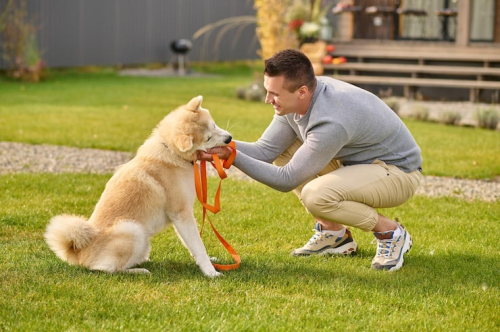
In the bustling neighborhoods of San Francisco from the vibrant streets of the Mission District to the hilly paths of Potrero Hill and the energetic vibe of SoMa new puppy parents often find themselves overwhelmed. One moment your adorable ball of fur is melting your heart; the next, it is turning your living room into a chew toy battlefield or pulling you down the sidewalk like a runaway sled. What if training did not have to feel like a constant battle or an expensive mystery?
That is where a smarter, more intuitive approach comes in. A thoughtful program such as Train Your Dog Like a Pro is not about rigid commands or quick fixes. It is about understanding your puppy’s unique personality and building habits that last, right in the heart of the Bay Area’s dog-loving communities like Dogpatch, Bernal Heights, the Castro District, and Noe Valley.
Your dog’s daily struggles pulling, mealtime anxiety, or reactivity don’t just cause stress, they chip away at the joy of being together. At Prime Paw, our positive reinforcement-based programs meet your dog where they are and build confidence, connection, and real skills. Our tailored programs in-person classes, coaching, and online resources help you enjoy calmer walks, relaxed routines, and a deeper connection. Ready for lasting change? Schedule a Prime Paw consultation today!
Why Puppy Training Matters More Than You Think
Every dog owner dreams of that well-behaved companion who walks calmly beside them, plays nicely with others, and feels confident in new situations. Yet many puppies arrive home with zero manners and boundless energy. The good news is that training done right strengthens the bond between you and your dog while reducing chaos at home.
Pet training services have grown steadily in popularity because they deliver tangible benefits: boosted confidence for dogs, fewer unwanted behaviors, improved sociability, and greater safety for everyone involved. These advantages help pets become more functional members of the family and community. In San Francisco’s tight-knit neighborhoods, where parks and sidewalks are shared daily, a trained dog is not a luxury it is a practical necessity for stress-free living.
The PrimePaw Difference: Personalized Training That Fits Your Life
What sets effective training apart is not flashy tricks but a thoughtful combination of personalization, safety, and proven methods. PrimePaw tailors each session to your dog’s individual behavior and needs rather than applying a one-size-fits-all program. Trainers observe how your puppy responds to different stimuli and adjust accordingly, creating a plan that truly fits.
Instead of separating training from real-world practice, the approach combines skill-building with socialization in one supervised, secure environment. Puppies learn not just commands but how to interact confidently with other dogs and people essential in busy areas like the Mission or Potrero Hill.
At its core, the method relies on positive reinforcement delivered by experienced trainers. Rewards and encouragement replace punishment, creating eager learners who associate good behavior with good things. This builds trust and makes sessions something both you and your dog look forward to.
Getting Started: Simple Foundations That Build Success
Effective training begins with the basics, approached in a way that feels natural rather than forced. Start in a quiet space at home or in a calm corner of your neighborhood park. Keep sessions short five to ten minutes several times a day to match a puppy’s attention span.
Focus first on name recognition. Say your dog’s name in an upbeat tone, then immediately reward with a treat or praise when they look at you. This simple step creates a foundation for all future communication.
Next comes the “sit” command, a gateway to better impulse control. Hold a treat above their nose, move it gently backward, and watch as their bottom naturally lowers. Mark the moment with a clicker or enthusiastic “yes!” and reward. Repeat until the cue alone works reliably.
Leash Manners Without the Tug-of-War
In walkable San Francisco neighborhoods, loose-leash walking transforms daily outings. Begin indoors or in a fenced area. Hold the leash loosely and stop whenever your puppy pulls. Wait for slack before moving forward again. Consistency here prevents years of frustration on crowded sidewalks in SoMa or Dogpatch.
Pair this with a “watch me” or focus cue using a treat held near your face. Your puppy learns that paying attention to you brings rewards, even amid distractions like other dogs or passing bikes.
Socialization Done Right: Building Confidence Safely
Puppies have a critical window for learning about the world, typically between eight and eighteen weeks. During this time, controlled exposure to new sights, sounds, people, and dogs shapes a balanced adult.
Group sessions in a safe, supervised setting allow puppies to practice play skills while learning boundaries. Trainers guide interactions, stepping in when needed to ensure positive experiences. This is especially valuable in dense urban areas where encounters happen daily.
Remember, quality matters more than quantity. A few well-managed introductions beat overwhelming free-for-alls that could create fear or reactivity.
Addressing Common Puppy Challenges
Many new owners worry about the cost of professional training or question whether it will truly make a difference for their energetic pup. Others struggle to find consistent time in busy schedules filled with work, commutes, and city life.
When training feels personalized and integrated into routines like combining walks with lessons or attending short group classes the investment pays off quickly in easier days and a stronger relationship. Positive methods often show results faster than owners expect because dogs naturally want to engage when learning is fun.
For time constraints, look for flexible options: drop-off services, neighborhood-based classes, or programs that include both training and exercise in one outing. In areas like Bernal Heights or Noe Valley, local access makes consistency realistic.
Advanced Steps: Taking Training to the Next Level
Once basics are solid, layer in more useful behaviors. The “down” command helps with calm settling at cafés or during home visits. “Stay” builds self-control, essential when doors open or guests arrive.
Recall coming when called can be lifesaving in off-leash areas or if a leash slips. Practice in gradually more distracting environments, always rewarding generously at first.
Incorporate real-life scenarios. Practice polite greetings so your dog does not jump on neighbors in the Castro District. Teach “leave it” to ignore tempting trash on sidewalks in the Mission.
Creating a Training Routine That Sticks
Success comes from integration, not isolation. Weave short training moments into everyday activities: before meals, during play, or on walks. Use high-value rewards like small pieces of chicken or cheese for new or difficult behaviors.
Track progress with a simple notebook or phone notes. Celebrate small wins those moments when your puppy chooses to check in with you amid distractions to stay motivated.
Experienced trainers emphasize patience and consistency over perfection. Every dog learns at their own pace, and setbacks are normal. The key is returning to positive methods with a clear plan.
Choosing the Right Support for Your Puppy
Not all training programs deliver the same results. Look for those emphasizing individualized attention, combined training and socialization opportunities, and gentle, science-informed techniques. In San Francisco, options that understand urban living busy streets, shared parks, diverse encounters make a meaningful difference.
Whether you are in Potrero Hill navigating hills with a pulling puppy or enjoying calmer moments in Noe Valley, the right guidance turns challenges into enjoyable progress.
Final Thoughts: A Better Life With Your Dog Starts Today
Training is not about creating a robot dog. It is about unlocking your puppy’s potential so you can enjoy the companionship you envisioned when you brought them home. With personalized, positive approaches that blend skill-building and safe socialization, even busy San Francisco families can raise confident, well-mannered dogs.
The steps are simpler than they seem when broken down and supported by experienced hands. Start small, stay consistent, and watch your relationship flourish amid the city’s unique energy. Your future self and your dog will thank you for taking that first intentional step.
Frequently Asked Questions
How do I stop my puppy from pulling on the leash during walks?
Loose-leash walking starts with consistency: hold the leash loosely and come to a complete stop every time your puppy pulls, only moving forward again once there is slack in the lead. Practicing first in a low-distraction environment like indoors or a fenced yard helps your puppy grasp the concept before tackling busy sidewalks. Pairing this technique with a “watch me” focus cue rewarding your dog for making eye contact with you teaches them that paying attention to you is more rewarding than pulling ahead.
What is the most effective method for training a new puppy at home?
The most effective approach combines positive reinforcement with short, consistent sessions of five to ten minutes several times a day to match a puppy’s attention span. Start with foundational skills like name recognition and the “sit” command in a quiet space before gradually introducing distractions. Rewarding good behavior with treats or praise rather than using punishment builds trust and makes your puppy an eager, confident learner.
When should I start socializing my puppy, and how do I do it safely?
Puppies have a critical socialization window typically between eight and eighteen weeks, making early exposure to new sights, sounds, people, and other dogs essential for raising a well-balanced adult. Controlled, supervised group sessions are ideal because they allow puppies to practice play skills and learn boundaries in a safe environment. Focus on quality over quantity a few well-managed introductions are far more beneficial than overwhelming free-for-all encounters that could trigger fear or reactivity.
Disclaimer: The above helpful resources content contains personal opinions and experiences. The information provided is for general knowledge and does not constitute professional advice.
You may also be interested in: Researchers Find Positive Reinforcement Methods Reduce Canine Stress in Shelter Environments
Your dog’s daily struggles pulling, mealtime anxiety, or reactivity don’t just cause stress, they chip away at the joy of being together. At Prime Paw, our positive reinforcement-based programs meet your dog where they are and build confidence, connection, and real skills. Our tailored programs in-person classes, coaching, and online resources help you enjoy calmer walks, relaxed routines, and a deeper connection. Ready for lasting change? Schedule a Prime Paw consultation today!
Powered by flareAI.co