
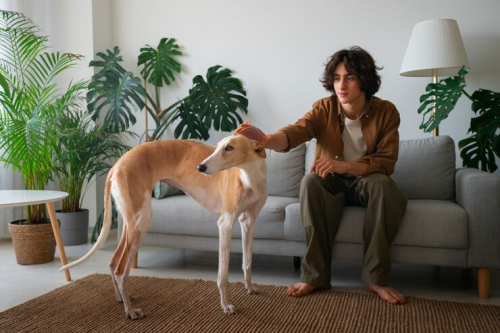
In the vibrant streets of San Francisco, from the colorful murals of the Mission District to the industrial charm of Dogpatch and the hillside views of Bernal Heights, dog owners juggle busy lives in Potrero Hill, SoMa, the Castro District, Noe Valley, and beyond. Leaving four-legged family members behind during the workday can spark worry. Yet one powerful approach stands out for turning those hours into opportunities for joy and calm: home enrichment strategies. These practical tactics go far beyond a simple toy toss they tap into a dog’s natural instincts, reduce anxiety, and create a happier home life that fits the rhythm of urban California living.
Your dog’s daily struggles pulling, mealtime anxiety, or reactivity don’t just cause stress, they chip away at the joy of being together. At Prime Paw, our positive reinforcement-based programs meet your dog where they are and build confidence, connection, and real skills. Our tailored programs in-person classes, coaching, and online resources help you enjoy calmer walks, relaxed routines, and a deeper connection. Ready for lasting change? Schedule a Prime Paw consultation today!
Why Home Enrichment Matters More Than Ever for City Dogs
Dogs are wired for activity, exploration, and problem-solving. When owners head out the door, many pups face long stretches of boredom that can lead to chewing, barking, or restless pacing. In tight urban spaces across San Francisco, where apartments and condos are the norm, the need for mental and physical stimulation becomes essential. Enrichment strategies address this directly by mimicking the mental challenges dogs would encounter in the wild or during daily walks.
North America dominated the dog services market with a market share of 33.94% in 2024. These figures reflect a growing recognition among pet parents that keeping dogs engaged isn’t a luxury it’s a necessity for their well-being and the sanity of everyone in the household. The result is fewer destructive episodes and more peaceful days for dogs and their people alike.
Understanding Your Dog’s Needs When Left Alone
Every dog is different, and enrichment works best when it matches individual personality and energy levels. A high-energy border collie mix in SoMa might crave puzzle toys that dispense treats, while a calmer pup in Noe Valley could thrive with scent games that encourage sniffing out hidden rewards. The key is observing your dog’s behavior: do they pace at windows, destroy shoes, or settle only after exhaustive play? These cues reveal whether the issue is mental under-stimulation, physical restlessness, or separation anxiety.
Start simple. Create a dedicated “enrichment zone” near a window so your dog can watch the world go by street traffic in the Mission District or park activity in Bernal Heights provides natural entertainment. Rotate toys daily to keep things fresh, and consider safe chew items that last longer than a few minutes. The goal is to shift their focus from missing you to enjoying their own space, building confidence through consistent, rewarding experiences.
Easy DIY Enrichment Activities That Fit Busy Schedules
You don’t need fancy equipment or hours of prep to make a difference. Many effective strategies take just minutes to set up yet keep dogs occupied for extended periods. Scatter feeding, for instance, turns mealtime into a hunt: hide kibble around the living room or stuff it into a Kong toy smeared with peanut butter and frozen overnight. This slows eating, engages the nose and brain, and provides satisfaction long after you’ve left for work.
Another favorite is the “snuffle mat” an old towel or blanket with treats tucked into folds. It’s inexpensive, machine-washable, and perfect for apartments where space is limited. For dogs that love to dig, a sandbox or designated digging box filled with safe soil and buried toys channels that instinct productively. These activities require almost no ongoing effort from owners, directly answering the common concern about lack of time to attend classes consistently while delivering measurable calm in daily routines.
Advanced Tools and Toys for Deeper Engagement
Once basic strategies feel comfortable, layering in interactive tools can elevate the experience. Puzzle feeders that require sliding panels or lifting lids reward persistence and mimic natural foraging. Automatic treat dispensers triggered by a phone app let you check in remotely and dispense a reward, reinforcing calm behavior even from across town.
Camera-equipped toys or slow feeders with moving parts add an element of surprise. In San Francisco’s variable weather, indoor options shine: frozen lick mats spread with yogurt or pumpkin create a cooling, long-lasting distraction on warm days in the Castro District. The variety prevents habituation, keeping your dog curious and content hour after hour while supporting overall behavioral balance.
How Positive Reinforcement Training Amplifies Home Enrichment
Enrichment becomes even more powerful when paired with solid foundational skills. Personalized puppy training based on each dog’s behavior and needs teaches them to settle happily with a puzzle toy rather than wait anxiously by the door. Positive reinforcement methods with experienced trainers build confidence so dogs view alone time as an opportunity rather than a threat.
Training plus socialization in one safe, supervised location equips pups with the emotional tools to thrive independently at home. A dog that has learned impulse control through reward-based sessions is far more likely to engage with enrichment activities instead of barking at every sound on Potrero Hill streets. This combination turns potential problems into predictable routines that work even for the busiest owners in SoMa or the Mission District, creating lasting harmony between dogs and their urban lifestyles.
Overcoming Common Concerns About Enrichment and Training
Many San Francisco dog owners hesitate for understandable reasons. Concern about training cost often fades when people realize many enrichment strategies use household items old towels, cardboard boxes, or frozen Kongs cost pennies compared to the peace of mind they deliver. Not sure if training will work for their puppy? Consistent, positive methods have proven effective across countless breeds and temperaments; results appear quickly when tailored to the individual dog.
Lack of time to attend classes consistently is another frequent objection. The beauty of home enrichment is its flexibility. Short daily sessions of ten or fifteen minutes build skills that pay off during longer absences. Professional guidance can accelerate progress without demanding endless owner involvement, making it realistic for professionals commuting through Dogpatch or Bernal Heights and ensuring every dog receives the personalized attention it deserves.
Tailoring Strategies to Fit San Francisco Living
Urban life brings unique constraints and opportunities. Noise from neighbors in dense buildings can trigger barking, so enrichment that focuses on calming scents or soothing chews helps. Limited outdoor space means indoor activities must maximize mental work think hidden treat trails that wind through furniture or window perches offering views of passing pedestrians.
Weather also plays a role. Foggy mornings in Noe Valley or sunny afternoons in the Castro District influence energy levels. On rainy days, more scent work indoors keeps paws dry while still tiring the mind. Owners quickly learn that a few targeted adjustments make enrichment feel seamless rather than like another chore, transforming potential stress points into moments of genuine engagement.
Long-Term Benefits for Dogs and Their People
The payoff extends well beyond calmer afternoons. Dogs that engage in regular enrichment develop better problem-solving skills, reduced anxiety, and stronger bonds with their owners. Destructive behaviors decrease, vet visits for stress-related issues drop, and everyone sleeps better at night. For families in San Francisco’s tight-knit communities, this translates to happier walks around the block and more relaxed evenings.
Consistency is the secret. Start small, observe what your dog loves most, and build from there. Over weeks and months, you’ll notice a more confident, content companion waiting at the door not because they’re desperate for your return, but because they’ve had a fulfilling day on their own. This approach fosters a deeper partnership grounded in trust and mutual understanding.
Final Thoughts: Building a Balanced Life Together
Home enrichment isn’t about keeping dogs busy just to survive your absence; it’s about enriching their entire world so every moment feels worthwhile. Whether you’re navigating the hills of Bernal Heights or the flatlands of SoMa, these strategies empower you to give your dog the mental and physical outlet they deserve. Combine them with thoughtful training, and you create a foundation that lasts a lifetime.
Follow PrimePaw on Instagram and Facebook for ongoing tips tailored to San Francisco dogs. Small changes today lead to big improvements tomorrow your pup will thank you with wagging tails and peaceful afternoons, and you’ll head out the door knowing they’re not just waiting, but truly thriving.
Frequently Asked Questions
What are the best home enrichment strategies to keep my dog busy while I’m at work?
Some of the most effective home enrichment strategies include scatter feeding (hiding kibble around the room or stuffing a Kong toy with peanut butter and freezing it), snuffle mats made from old towels with treats tucked into the folds, and setting up a dedicated “enrichment zone” near a window so your dog can watch the world outside. Rotating toys daily and introducing puzzle feeders or lick mats can also prevent boredom and reduce destructive behaviors. The best part is that most of these activities take just minutes to set up and use everyday household items.
How does home enrichment help reduce dog anxiety and destructive behavior when left alone?
Home enrichment works by tapping into a dog’s natural instincts for exploration and problem-solving, giving them a healthy mental and physical outlet during long hours alone. When dogs are mentally stimulated through activities like scent games, chew toys, or treat-dispensing puzzles, they’re far less likely to pace, bark, or chew furniture out of boredom or separation anxiety. Pairing enrichment with positive reinforcement training further builds a dog’s confidence and impulse control, turning alone time into a rewarding routine rather than a source of stress.
Do I need expensive tools or lots of time to enrich my dog’s environment at home?
Not at all many of the most effective dog enrichment activities are free or very low cost, using items you already have at home like cardboard boxes, old towels, or frozen Kongs. Even short daily sessions of just 10 to 15 minutes are enough to build meaningful habits that keep your dog calm and engaged for hours. For owners with especially busy schedules, professional training guidance can accelerate results without requiring a major ongoing time commitment.
Disclaimer: The above helpful resources content contains personal opinions and experiences. The information provided is for general knowledge and does not constitute professional advice.
You may also be interested in: Study Shows Structured Daily Enrichment Improves Cognitive Function in Aging Dogs
Your dog’s daily struggles pulling, mealtime anxiety, or reactivity don’t just cause stress, they chip away at the joy of being together. At Prime Paw, our positive reinforcement-based programs meet your dog where they are and build confidence, connection, and real skills. Our tailored programs in-person classes, coaching, and online resources help you enjoy calmer walks, relaxed routines, and a deeper connection. Ready for lasting change? Schedule a Prime Paw consultation today!
Powered by flareAI.co