
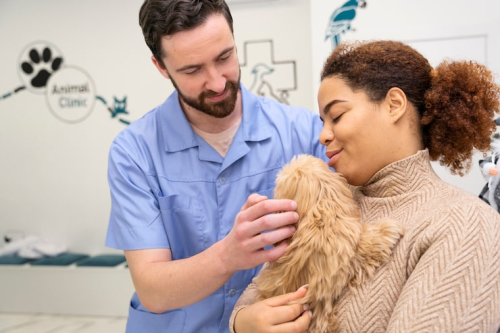
In the vibrant neighborhoods of San Francisco from the lively streets of the Mission District to the scenic slopes of Potrero Hill new puppy parents frequently feel swept up in the delightful yet demanding energy of their young dogs. Behind the playful nips and boundless enthusiasm rests a fundamental reality: the way we train our dogs influences not only their outward behavior but also their inner emotional health and the quality of the relationship we build with them. More and more, veterinary professionals are championing positive reinforcement training, particularly for making routine care and daily interactions smoother and less stressful.
This reward-based approach, which celebrates good choices instead of punishing mistakes, has moved well beyond any fad. It stands as a scientifically supported standard embraced across dog-loving communities in SoMa, Dogpatch, Bernal Heights, the Castro District, and Noe Valley. Gentle techniques help turn veterinary visits, grooming appointments, and everyday handling into far more positive experiences for pets and people alike.
Your dog’s daily struggles pulling, mealtime anxiety, or reactivity don’t just cause stress, they chip away at the joy of being together. At Prime Paw, our positive reinforcement-based programs meet your dog where they are and build confidence, connection, and real skills. Our tailored programs in-person classes, coaching, and online resources help you enjoy calmer walks, relaxed routines, and a deeper connection. Ready for lasting change? Schedule a Prime Paw consultation today!
The Veterinary Community’s Growing Consensus
Veterinarians and animal behaviorists have witnessed the drawbacks of older training styles that depend on force or intimidation. Such methods can increase fear and anxiety, sometimes contributing to lasting behavioral challenges. Positive reinforcement, by comparison, fosters confidence and deeper trust between dog and owner.
The American Veterinary Society of Animal Behavior (AVSAB) has issued clear guidance, recommending reward-based methods as the preferred standard for all canine training and behavior work. This position aligns with a wider movement in veterinary care toward low-stress handling and cooperative practices, enabling pets to take part willingly in their own medical routines.
Dogs trained through positive techniques often enter the clinic with reduced apprehension. They link the veterinary setting with pleasant outcomes treats, praise, and clear rewards rather than unpredictability or unease. Professional endorsement here stems from measurable gains in animal welfare and stronger human-animal connections.
Why Positive Reinforcement Excels for Routine Care
Picture bringing your puppy to the vet and seeing them step confidently onto the scale or calmly offer a paw. This scene becomes reality through steady positive reinforcement. By rewarding calm responses and introducing procedures gradually, owners and trainers help dogs view medical care as safe and even rewarding.
Many progressive clinics now integrate cooperative care programs that blend positive reinforcement with effective communication. Pets master simple targeting skills, such as touching a nose to a marked spot, which can extend to muzzles, scales, or exam tables. The outcomes include less reliance on sedation, more efficient visits, and noticeably happier patients.
Within San Francisco’s close-knit dog scenes, this philosophy strikes a chord. Puppies that receive combined training and socialization in one secure, supervised environment develop essential manners alongside the emotional resilience needed for real-life situations, including routine veterinary care.
Addressing Common Concerns from Puppy Parents
First-time dog owners in Bernal Heights or Noe Valley often question the value of investing in training. They wonder if the benefits justify the expense or whether the lessons will truly take hold with an active young dog, especially when consistent class attendance competes with demanding schedules in SoMa or the Mission District.
These doubts deserve attention. Effective training does call for dedication, yet the returns appear in a more peaceful home and a companion that proves easier to manage over the years. Positive reinforcement avoids the need for instant perfection; brief, regular sessions create durable patterns. For those pressed for time, programs that merge training with socialization in a single safe setting offer efficiency and compounded advantages.
Skilled trainers focus on customizing approaches to match each dog’s distinct temperament and requirements. A confident Labrador in Potrero Hill may respond differently than a more reserved rescue in the Castro District. This individualized attention directly counters doubts about results, allowing owners to witness clear, relevant improvements.
PrimePaw’s Approach in the Heart of San Francisco
Programs such as those offered by PrimePaw put these veterinary-endorsed principles into practice. Centered in the Mission District and serving neighborhoods throughout San Francisco, they deliver personalized puppy training that weaves positive reinforcement together with supervised socialization in one supportive location.
Trainers apply reward-based methods to cover basic cues as well as more subtle behavioral needs, always respecting the individual puppy’s rhythm. This integrated style builds confidence free from fear, transforming routine care from grooming sessions to veterinary appointments into smoother, more enjoyable events.
Families in Dogpatch, Bernal Heights, and surrounding areas value how these techniques reinforce the human-dog bond instead of testing it. The approach steers clear of harsh corrections or outdated dominance ideas, relying instead on transparent signals, patience, and generous rewards that turn learning into an engaging experience for both parties.
Real-World Impact on Dogs and Their Families
Benefits reach well past the clinic doors. Dogs shaped by positive reinforcement typically display lower stress levels in ordinary settings, whether weaving through busy sidewalks in SoMa or greeting others at local parks. They come to understand that cooperation brings good things, replacing any reliance on fear-based compliance.
Veterinary staff observe greater cooperation from patients with this background, leading to safer and more streamlined care. Owners gain reduced worry around appointments and greater pleasure in the routine joys of sharing life with a dog.
In a city as welcoming to dogs as San Francisco, where parks and community gatherings regularly unite pups, establishing these foundations early yields lasting value. Young dogs mature into balanced adults better equipped to manage surprises be it a startling sound or an unfamiliar touch during a check-up.
Overcoming the Myths Around Training Methods
Certain persistent notions claim that positive reinforcement feels too lenient or progresses too slowly to deliver meaningful change. Veterinary specialists respond with data showing that reward-based training frequently matches or surpasses other approaches in effectiveness while safeguarding emotional health.
Leading organizations in the field now actively discourage aversive tools and practices due to their potential harm to welfare and the owner-pet relationship. They instead highlight the strength of grasping how dogs learn and channeling motivation through positive rewards.
For busy households across the Bay Area, this translates to selecting techniques that mesh with daily realities without sacrificing principles or results. Training evolves into a joint adventure rather than a contest of control.
Getting Started with Positive Reinforcement at Home
Beginning at home requires no delay until a structured class. Straightforward actions marking wanted behaviors with a click or word and promptly delivering a valued reward can reshape daily exchanges. Frequency outweighs length; concise, upbeat sessions outperform extended, tense ones.
Direct attention toward successes. A calm sit before clipping the leash earns praise. Choosing a toy over nipping in play deserves celebration. Repeated reinforcement gradually turns these actions into reliable habits.
When expert support becomes useful, look for offerings that match veterinary standards: those centered on positive methods, delivered by seasoned trainers, and adapted to the specific dog.
Looking Ahead: A Kinder Future for Dog Training
With additional veterinary voices highlighting the strengths of positive reinforcement, the field of dog training keeps advancing. Across San Francisco neighborhoods from the Castro District to Bernal Heights, puppy parents lead by favoring empathy and understanding over forceful methods.
The outcome includes not only better-mannered dogs but richer relationships and lower overall stress. Routine care shifts from a potential ordeal into a chance for teamwork. Ultimately, this reflects what dog owners throughout the city and further afield seek most: a partnership grounded in trust, shared delight, and genuine connection.
Whether tackling the early days of puppyhood or polishing abilities with a growing dog, adopting these professionally backed approaches unlocks a more balanced life together. The veterinary community has delivered a clear message. The opportunity now lies with all of us to respond thoughtfully, placing kindness at the foundation of every interaction.
Frequently Asked Questions
Why do veterinarians recommend positive reinforcement training for dogs?
Veterinarians recommend positive reinforcement because it builds confidence and trust while reducing fear and anxiety in dogs. The American Veterinary Society of Animal Behavior (AVSAB) officially endorses reward-based methods as the preferred standard for all canine training. Unlike older force-based techniques, positive reinforcement helps dogs associate veterinary visits and routine care with pleasant outcomes, leading to better cooperation and improved animal welfare.
How does positive reinforcement training make veterinary visits less stressful for dogs?
Dogs trained with positive reinforcement learn to associate the clinic environment with treats, praise, and rewards rather than unpredictability or discomfort. Progressive clinics use cooperative care programs that teach dogs simple targeting skills like touching their nose to a marked spot which can be extended to scales, exam tables, and muzzles. This approach often reduces the need for sedation, results in more efficient appointments, and produces noticeably calmer, happier patients.
Can I start positive reinforcement training at home with my puppy?
Yes you can begin positive reinforcement at home right away without waiting for a formal class. The key is to mark desired behaviors with a click or verbal cue and immediately reward them with something your dog values. Short, upbeat sessions done frequently are more effective than long, stressful ones; for example, rewarding a calm sit before leashing or praising your puppy for choosing a toy over nipping helps turn those behaviors into reliable habits over time.
Disclaimer: The above helpful resources content contains personal opinions and experiences. The information provided is for general knowledge and does not constitute professional advice.
You may also be interested in: Behavioral Experts Advise on Helping Dogs Cope With Fireworks and Thunderstorms
Your dog’s daily struggles pulling, mealtime anxiety, or reactivity don’t just cause stress, they chip away at the joy of being together. At Prime Paw, our positive reinforcement-based programs meet your dog where they are and build confidence, connection, and real skills. Our tailored programs in-person classes, coaching, and online resources help you enjoy calmer walks, relaxed routines, and a deeper connection. Ready for lasting change? Schedule a Prime Paw consultation today!
Powered by flareAI.co