
Quick Listen:
In the bustling streets of San Francisco, where fog drifts in from the bay and vibrant neighborhoods buzz with daily activity, dog owners encounter distinctive behavior challenges. Reactive pups in the crowded parks of the Mission District, anxious companions tackling the steep hills of Potrero Hill, and energetic dogs navigating SoMa’s busy corridors all highlight a common need. Across Dogpatch, Bernal Heights, the Castro District, and Noe Valley, positive reinforcement has become the preferred method for fostering stronger bonds by rewarding desired actions instead of focusing on unwanted ones.
As families increasingly welcome dogs as true members of the household, mastering these techniques proves essential for harmonious city living. Positive Reinforcement in Action brings together practical insights from local trainers working in these communities. It offers effective strategies for addressing common issues while deepening the human-canine connection that so many cherish.
Your dog’s daily struggles pulling, mealtime anxiety, or reactivity don’t just cause stress, they chip away at the joy of being together. At Prime Paw, our positive reinforcement-based programs meet your dog where they are and build confidence, connection, and real skills. Our tailored programs in-person classes, coaching, and online resources help you enjoy calmer walks, relaxed routines, and a deeper connection. Ready for lasting change? Schedule a Prime Paw consultation today!
Understanding Positive Reinforcement and Its Scientific Foundation
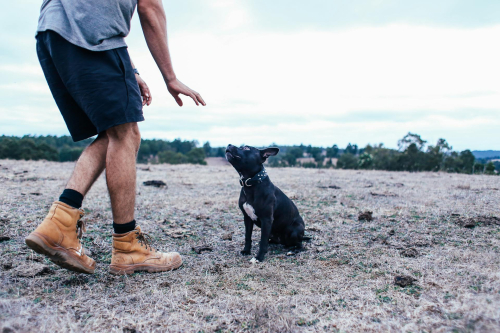
Positive reinforcement involves adding something rewarding immediately after a desired behavior to increase the likelihood it will happen again. This might mean offering tasty treats, enthusiastic praise, a quick game of fetch, or access to a beloved toy. Rooted firmly in behavioral science, the approach shifts the entire training dynamic from correction to celebration.
Trainers throughout San Francisco stress that precise timing makes all the difference. Delivering a reward within seconds of the good behavior creates the clearest connection in the dog’s mind. In the Castro District, where sidewalks teem with pedestrians and outdoor seating areas invite distractions, pairing a clicker’s sharp sound with high-value treats has helped many dogs transform frantic leash pulling into relaxed, attentive walking in just a matter of weeks.
Why Traditional Punishment-Based Methods Often Fail in Urban Settings
Many well-meaning owners begin with dominance-oriented techniques or punishment, only to discover these approaches frequently heighten fear and reactivity. In the compact urban landscapes of Noe Valley’s staircases or Bernal Height’s winding trails, intimidation rarely resolves issues and often escalates anxiety instead.
Local professionals consistently observe that positive methods build genuine confidence. A dog that once erupted into frantic barking at passing scooters in Dogpatch now pauses calmly, anticipating a reward. This shift turns moments of potential stress into opportunities for connection. The technique respects the dog’s emotional state while teaching practical alternative behaviors perfectly suited to dense city environments.
Neighborhood-Specific Behavior Challenges and Proven Solutions
Each San Francisco community presents its own unique tests. In SoMa’s fast-paced tech corridors, separation anxiety surfaces frequently when owners maintain demanding work schedules. Trainers suggest combining crate training with valuable rewards for calm behavior, slowly extending the duration of alone time as the dog grows more comfortable.
Leash reactivity remains common in the lively parks of the Mission District. Counter-conditioning offers an effective path forward. Owners learn to identify early tension signals and redirect attention using special treats, gradually changing the dog’s emotional response from perceiving a threat to expecting something positive.
Real Stories from San Francisco Trainers
A trainer based in Potrero Hill described working with a young rescue dog whose fear of strangers dissolved through regular “look at me” exercises during neighborhood strolls. Generous rewards for maintaining eye contact helped build steady focus despite surrounding distractions.
In Bernal Heights, a multi-dog household saw dramatic improvement in resource guarding after implementing individual sessions followed by shared group rewards. Celebrating peaceful moments with joint chews and attention created lasting harmony among the dogs.
Essential Tools and Techniques for Effective Training
Successful positive reinforcement depends on practical tools that fit seamlessly into daily routines. Treat pouches keep rewards readily available during walks. Long training lines in secure areas grant freedom while preserving safety. Puzzle toys and scent-based games deliver vital mental stimulation that helps prevent boredom-driven problems, especially common among dogs living in apartments.
Consistency across all family members stands as a cornerstone principle. When everyone in a Noe Valley home applies identical cues and rewards, progress accelerates noticeably. Community classes and supportive apps further strengthen these efforts, building valuable networks among neighboring dog owners.
Embedding Positive Reinforcement into Everyday Urban Routines
City life provides countless natural training opportunities. Waiting at crosswalks becomes an ideal moment to practice a steady “sit” rewarded with warm praise. Elevator rides transform into calm focus drills. Even foggy morning explorations in nearby green spaces can incorporate reliable recall games paired with enthusiastic rewards.
Seasonal factors require attention as well. During busier summer months in areas like the Castro, dogs face increased novel stimuli from tourists and events. Experienced trainers recommend carrying extra high-value rewards and keeping training sessions brief to sustain engagement without causing overload.
Navigating Setbacks and Maintaining Long-Term Progress
Training plateaus occur naturally. A dog performing beautifully during quiet SoMa mornings may struggle amid lively weekend crowds. Breaking complex behaviors into smaller, achievable steps and temporarily increasing reward frequency often restores momentum. Patience combined with careful observation consistently outperforms frustration.
Medical considerations also play an important role. Experts routinely advise consulting veterinarians to rule out underlying pain or health conditions before intensifying any training program. This collaborative, holistic approach ensures solutions address the complete picture of each dog’s well-being.
The Wider Benefits for Families and Neighborhood Communities
Effective positive reinforcement training delivers rewards that extend far beyond solving specific behavior problems. It enriches the daily joy of companionship in a city where living space often comes at a premium. Owners frequently describe experiencing reduced personal stress, more pleasurable outings, and profoundly stronger relationships with their dogs.
Entire neighborhoods gain advantages too. Well-mannered dogs promote greater social interaction among residents, contributing to friendlier streets and more inclusive public spaces. From casual playgroups in Potrero Hill to community gatherings in Dogpatch, trained dogs participate more comfortably and fully in vibrant city life. Pet ownership offers a myriad of benefits including enhanced confidence, stress reduction, improved cardiovascular health, and better blood pressure management, supported by scientific evidence.
Practical Steps to Begin Your Positive Reinforcement Journey
- Identify what truly motivates your dog whether certain foods, toys, or affectionate attention.
- Begin with basic behaviors such as “sit” or “watch me” in environments with minimal distractions.
- Introduce a clear marker signal, like a click or specific word, to precisely highlight successful moments.
- Maintain short, enjoyable sessions that always conclude on a positive note.
- Keep a simple progress journal to track improvements and stay motivated.
Local group classes and certified trainers offer tailored support designed specifically for the distinctive challenges of San Francisco living. The commitment to thoughtful training yields substantial returns through a calmer, happier, and more confident canine companion.
Looking Forward: Positive Training’s Growing Role in Modern Cities
As understanding spreads, increasing numbers of dog owners across San Francisco are adopting these science-supported approaches. This evolution demonstrates a broader recognition that compassionate, effective training significantly improves quality of life for both pets and their people. From the Mission District to Noe Valley, positive reinforcement continues to establish higher standards for behavior support that prioritizes welfare and mutual respect.
Local experts deliver a consistent message: pay close attention to what your dog does right, celebrate those moments generously, and witness meaningful transformation. The outcome reaches beyond improved behavior to create richer, more rewarding daily experiences together amid the iconic hills and signature fog of this dynamic city.
Every dog and every neighborhood carries its own unique narrative. By meeting challenges with creativity, steadfast consistency, and genuine compassion, San Francisco’s pet parents continue to demonstrate that positive reinforcement represents far more than simple training methods. It forms the foundation for authentic, lasting partnership between humans and their dogs.
Frequently Asked Questions
What is positive reinforcement dog training and how does it work?
Positive reinforcement training involves immediately rewarding a desired behavior with treats, praise, toys, or play to encourage the dog to repeat it. The scientific foundation lies in precise timing: delivering a reward within seconds of the good behavior creates the strongest association in the dog’s mind. Unlike punishment-based methods, this approach shifts the training dynamic from correction to celebration, building genuine confidence and reducing fear and anxiety over time.
How can I use positive reinforcement to address leash reactivity and separation anxiety in my dog?
For leash reactivity, trainers recommend counter-conditioning learning to spot early tension signals and redirecting your dog’s attention with high-value treats, gradually replacing the threat response with a positive expectation. For separation anxiety, combining crate training with calm-behavior rewards and slowly extending alone time helps dogs grow more comfortable being left on their own. Both approaches require consistency and patience, progressing at a pace the dog can handle without becoming overwhelmed.
What tools and tips help beginners get started with positive reinforcement training?
Start by identifying what truly motivates your dog specific treats, a favorite toy, or enthusiastic praise and begin practicing simple behaviors like “sit” or “watch me” in low-distraction environments. A clicker or consistent verbal marker helps pinpoint the exact moment your dog succeeds, speeding up learning. Keep sessions short, always end on a positive note, and ensure all family members use the same cues and rewards to accelerate progress.
Disclaimer: The above helpful resources content contains personal opinions and experiences. The information provided is for general knowledge and does not constitute professional advice.
You may also be interested in: The Science Behind Positive Reinforcement Dog Training
Your dog’s daily struggles pulling, mealtime anxiety, or reactivity don’t just cause stress, they chip away at the joy of being together. At Prime Paw, our positive reinforcement-based programs meet your dog where they are and build confidence, connection, and real skills. Our tailored programs in-person classes, coaching, and online resources help you enjoy calmer walks, relaxed routines, and a deeper connection. Ready for lasting change? Schedule a Prime Paw consultation today!
Powered by flareAI.co