
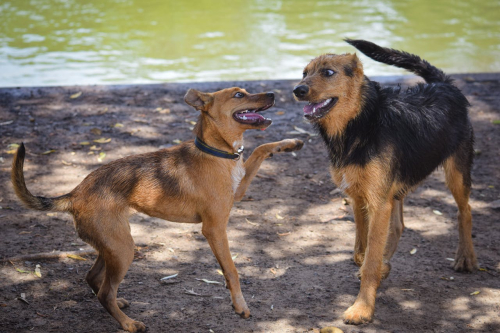
In the bustling streets of San Francisco’s Mission District, many dog owners know the scene all too well: your pup spots another dog across the sidewalk and suddenly erupts into a frenzy of barking and lunging. Passersby tense up. You feel the stares. Is your dog aggressive? Or is something else at play? This common urban moment highlights a crucial distinction that can transform daily walks from stressful ordeals into confident outings.
Understanding Reactivity in Dogs: How It Differs from Aggression in San Francisco Neighborhoods offers practical clarity for pet owners in dense areas like Potrero Hill, SoMa, Dogpatch, Bernal Heights, the Castro District, and Noe Valley. Far from a label that defines your dog, recognizing reactivity empowers better management, kinder training, and stronger bonds between dogs and their people.
Your dog’s daily struggles pulling, mealtime anxiety, or reactivity don’t just cause stress, they chip away at the joy of being together. At Prime Paw, our positive reinforcement-based programs meet your dog where they are and build confidence, connection, and real skills. Our tailored programs in-person classes, coaching, and online resources help you enjoy calmer walks, relaxed routines, and a deeper connection. Ready for lasting change? Schedule a Prime Paw consultation today!
What Exactly Is Canine Reactivity?
Reactivity refers to an exaggerated emotional response to everyday triggers. A reactive dog may bark intensely, pull hard on the leash, spin, or jump when seeing another dog, a cyclist, skateboarder, or even someone wearing a backpack. These behaviors usually stem from fear, frustration, over-arousal, or excitement rather than any intent to cause harm.
Picture it as an emotional flood. Your dog isn’t planning an attack they’re overwhelmed by a world that feels too intense, too close, or too unpredictable. In San Francisco’s narrow sidewalks and popular parks, where encounters happen constantly and leash laws restrict natural movement, reactivity appears frequently. Apartment living and limited early socialization opportunities for many rescue dogs can further contribute to these patterns.
How Reactivity Differs from Aggression
Aggression, in contrast, involves a clear intent to create distance, threaten, or inflict harm. It shows up through stiff body posture, hard staring, sustained growling, snarling with visible teeth, or deliberate snapping and biting. An aggressive dog often maintains tension even after the trigger leaves, while a reactive dog typically settles once the stimulus is gone.
The two can overlap unmanaged reactivity sometimes develops into learned aggression but their roots differ. Reactivity is usually a dramatic self-protection strategy. Aggression tends to be more purposeful. Misunderstanding this difference leads many owners to apply overly harsh methods that actually increase fear and worsen the behavior.
Why Reactivity Thrives in Urban Environments Like San Francisco
City life magnifies reactivity. Tight streets in SoMa and the Mission force dogs within feet of each other. Busy off-leash hours in Bernal Heights or Dogpatch create chaotic energy. Add whizzing bikes in the Castro or café crowds in Noe Valley, and sensory overload builds fast. Repeated unavoidable encounters teach dogs that barking and lunging successfully create space, reinforcing the cycle.
First-time owners and those living in smaller spaces often notice these patterns most. Yet awareness brings real hope. With consistent strategies, many dogs learn to navigate city stimuli with greater calm.
Recognizing the Signs: Reading Your Dog’s Body Language
Close observation of body language makes all the difference:
- Reactivity signs: Wiggly or loose body even during barking, high-pitched frantic vocalizations, spinning, jumping, or intense pulling. The dog usually decompresses quickly once the trigger passes.
- Aggression signs: Rigid posture, forward lean, direct hard stare, low rumbling growls, teeth baring with clear intent, or continued threats after the trigger retreats.
A leash-reactive dog can look frightening to others, but the driving emotion is typically fear or frustration rather than malice. Learning these cues allows early intervention and helps you advocate effectively for your dog in public spaces.
Practical Strategies for Managing Reactivity Day to Day
Effective management starts with prevention. Create distance proactively cross the street, step behind a parked car, or change direction before your dog locks onto a trigger. In crowded neighborhoods, this space prevents repeated practice of unwanted behavior.
Pair management with positive reinforcement. Carry high-value treats and reward calm focus on you as soon as a potential trigger appears. Over repeated exposures, your dog begins associating other dogs or people with good outcomes instead of stress. Techniques like counter-conditioning and desensitization prove especially powerful when guided by professionals.
Urban-Friendly Tools and Techniques
- Front-clip or no-pull harnesses that provide better control without increasing pressure or discomfort.
- Appropriate-length leashes that balance safety with choice of distance where permitted.
- Calming garments or wraps for dogs who benefit from gentle sensory support.
- Strategic timing quieter early morning or evening walks in areas like Potrero Hill.
Training Approaches That Deliver Real Results
Professional support can dramatically speed progress. Trainers experienced in urban reactivity craft customized plans that fit real city life. While group classes offer socialization benefits, private sessions often provide the focused foundation reactive dogs need initially.
Core skills worth building include rock-solid “watch me” or focus cues, emergency U-turns, and reliable settle behaviors. Family-wide consistency prevents confusion. Patience remains essential progress comes through small, consistent wins rather than dramatic overnight changes. Many San Francisco owners see noticeable improvement within weeks when combining smart management with short, positive daily sessions.
When Professional Help Becomes Essential
Most reactive dogs improve with dedicated owner effort, but certain situations call for expert guidance:
- Any incidents involving contact or injury risk.
- Behaviors that intensify over time.
- Co-existing challenges such as separation anxiety or resource guarding.
- When reactivity significantly affects your daily life or well-being.
Certified force-free trainers and veterinary behaviorists offer evidence-based protocols tailored to individual dogs. Steer clear of punishment-based methods, which frequently heighten anxiety and reactivity rather than resolve it.
Expanding Support Through Professional Dog Services
Across North America, pet owners increasingly turn to specialized services for behavior support and training. Many professionals now focus on practical urban challenges, offering personalized programs that address leash reactivity, confidence building, and real-world skills. This growing emphasis on behavior management and wellness reflects how owners prioritize harmonious relationships with their dogs in busy lifestyles.
Building Community and Long-Term Success
San Francisco’s vibrant dog scene provides valuable support networks. Local apps, neighborhood groups, and online communities connect owners facing similar issues. Sharing experiences in Potrero Hill or Dogpatch reduces isolation and spreads effective strategies. Parks and dog-friendly cafés reward those who invest in training, creating positive feedback loops.
Remember, reactivity does not define your dog’s character. With understanding and consistent effort, many reactive dogs become relaxed, confident companions who enjoy city adventures.
Looking Forward: Patience, Progress, and Partnership
Living with a reactive dog in an urban setting tests patience but delivers meaningful rewards. Every calm encounter, successful redirection, and relaxed outing strengthens confidence for both of you. Distinguishing reactivity from aggression leads to smarter decisions, gentler methods, and deeper connections.
Whether weaving through the lively Mission District or sharing quiet moments in Noe Valley, your commitment matters. Professional dog services continue evolving to meet these modern needs, helping more owners access targeted support for urban living. Your dog is not broken they are simply communicating the best way they currently know. By listening carefully and responding thoughtfully, you open the door to lasting positive change.
The path takes time, consistency, and compassion. Yet the outcome a happier, more relaxed dog and more joyful shared experiences throughout San Francisco and beyond makes every step deeply worthwhile.
Frequently Asked Questions
What is the difference between dog reactivity and aggression?
Reactivity is an exaggerated emotional response such as barking, lunging, or spinning typically driven by fear, frustration, or over-arousal, with no intent to harm. Aggression, by contrast, involves deliberate behaviors like stiff posture, hard staring, sustained growling, or biting, aimed at threatening or creating distance. A key distinction is that a reactive dog usually calms down once the trigger is gone, while an aggressive dog may remain tense. Misidentifying reactivity as aggression often leads to harsh training methods that can make the behavior worse.
Why is my dog so reactive on leash in busy city neighborhoods?
Urban environments like dense city streets and popular parks naturally amplify reactivity because dogs are forced into close proximity with other dogs, cyclists, skateboarders, and crowds with little room to create space on their own. Leash laws restrict a dog’s ability to use natural escape behaviors, so barking and lunging become their way of pushing triggers away, which gets reinforced over time. Rescue dogs with limited early socialization and dogs living in apartments may be especially prone to these patterns. Awareness of these environmental factors is the first step toward managing and improving your dog’s behavior.
How do you train a reactive dog using positive reinforcement?
The foundation of positive reinforcement for reactive dogs involves proactive management creating distance from triggers before your dog reacts combined with rewarding calm, focused behavior with high-value treats the moment a trigger appears. Over time, this counter-conditioning helps your dog associate previously stressful stimuli (like other dogs or bikes) with positive outcomes instead of anxiety. Key skills to build include a reliable “watch me” cue, emergency U-turns, and settle behaviors practiced consistently by everyone in the household. Many owners see noticeable improvement within weeks by pairing short, positive daily training sessions with smart environmental management.
Disclaimer: The above helpful resources content contains personal opinions and experiences. The information provided is for general knowledge and does not constitute professional advice.
You may also be interested in: The Science Behind Positive Reinforcement Dog Training
Your dog’s daily struggles pulling, mealtime anxiety, or reactivity don’t just cause stress, they chip away at the joy of being together. At Prime Paw, our positive reinforcement-based programs meet your dog where they are and build confidence, connection, and real skills. Our tailored programs in-person classes, coaching, and online resources help you enjoy calmer walks, relaxed routines, and a deeper connection. Ready for lasting change? Schedule a Prime Paw consultation today!
Powered by flareAI.co