
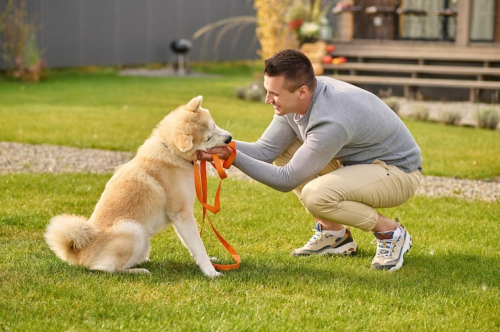
In the bustling neighborhoods of San Francisco, where apartment living meets a deep love for four-legged companions, dog owners are discovering a simple yet powerful shift in how they train their pets. Short, frequent training sessions often just five to ten minutes several times a day are quietly transforming relationships between dogs and their humans. What once felt like a chore squeezed into hectic weekends has become an integrated part of daily life, yielding happier, better-behaved dogs and less stressed owners.
This approach isn’t about revolutionizing dog training from scratch. It’s about working with how dogs actually learn best. By weaving brief, focused interactions throughout the day, owners in places like the Mission District and Potrero Hill are seeing remarkable improvements in obedience, confidence, and overall well-being. The method feels less overwhelming and more sustainable, especially for urban professionals juggling work, commutes, and city life across the United States, Canada, and Europe.
Your dog’s daily struggles pulling, mealtime anxiety, or reactivity don’t just cause stress, they chip away at the joy of being together. At Prime Paw, our positive reinforcement-based programs meet your dog where they are and build confidence, connection, and real skills. Our tailored programs in-person classes, coaching, and online resources help you enjoy calmer walks, relaxed routines, and a deeper connection. Ready for lasting change? Schedule a Prime Paw consultation today!
Why Short Sessions Outperform Long, Intense Training
Dogs, like many of us, have limited attention spans. A 45-minute training class after a long day can leave both pet and owner frustrated and disengaged. Short sessions capitalize on natural focus windows, keeping things fresh, positive, and productive. Experienced trainers consistently observe that dogs retain commands better when lessons end while the animal is still engaged and successful, creating momentum rather than fatigue.
Imagine your dog mastering “sit” in a quick morning session before breakfast. Later, during an afternoon walk in Dolores Park, you reinforce “stay” with a handful of treats. By evening, “come” becomes an enjoyable game during playtime. This spaced repetition mirrors proven human learning techniques little and often beats cramming every time, leading to stronger, more reliable results in real-world situations.
The Science Behind Canine Learning and Attention
Canine cognition research shows that dogs thrive on consistency and positive reinforcement delivered in manageable doses. Frequent short bursts help build neural pathways more efficiently than marathon sessions that risk mental fatigue or disinterest. Owners across North America and European cities frequently report that their dogs seem more eager to participate, turning training into an enjoyable bonding ritual rather than a battle of wills.
In busy households, this method aligns perfectly with modern lifestyles. A quick five-minute session while waiting for coffee to brew or during a lunch break from home office duties fits seamlessly unlike trying to block out an entire evening for formal training classes.
Key Benefits for Dogs and Owners Alike
The advantages extend far beyond basic commands. Dogs trained through short, frequent intervals often display reduced anxiety and greater adaptability to new environments. For rescue dogs or energetic breeds popular in European cities, this approach channels natural energy productively without overwhelming them.
Owners gain confidence as well. Gone is the guilt over skipped long training days. Instead, they celebrate small daily wins that compound into lasting behavioral changes. Families in Vancouver, London, and Toronto report similar successes, adapting the technique to local park routines and apartment living constraints.
- Better Retention: Commands become reliable because they are reinforced regularly in real-life contexts rather than isolated sessions.
- Stronger Bond: Multiple positive interactions throughout the day deepen trust and affection between dog and owner.
- Reduced Frustration: Both parties stay motivated, minimizing burnout and negative associations with training.
- Improved Behavior: Issues like excessive barking, jumping, or pulling on the leash decrease as good habits take root naturally.
Practical Tips for Implementing Short Training Sessions
Getting started requires minimal equipment just high-value treats, a clicker if preferred, and a commitment to consistency. Begin with one or two commands your dog already knows to build immediate momentum and confidence. In San Francisco’s foggy mornings, use the time before a walk to practice leash manners. During evenings in Potrero Hill, transform mealtime into a rewarding “wait” and “release” exercise.
Keep sessions varied and engaging. One might focus on recall in the backyard or hallway, while another emphasizes polite greetings when visitors arrive. Training apps and smart phone reminders help busy professionals maintain rhythm without overthinking the process. The goal remains integration into daily life, not perfection.
Adapting to Different Life Stages and Breeds
Puppies benefit enormously as their developing brains absorb information quickly through short, focused doses. Senior dogs appreciate the gentle, low-pressure approach that respects their changing energy levels. High-drive working breeds popular across Europe, such as Border Collies and German Shepherds, stay mentally stimulated without becoming overexcited or frustrated.
Even in multi-dog households common in North American suburbs, owners can rotate brief individual sessions to address specific needs while maintaining overall group harmony.
Overcoming Common Challenges and Misconceptions
Many owners initially worry that short sessions cannot deliver serious results compared to traditional hour-long classes. Yet experienced trainers emphasize that consistency consistently trumps duration. The persistent myth of needing lengthy daily drills continues, but real-world experience in urban environments proves the shorter, more frequent approach often yields superior outcomes.
Time constraints rank high among barriers, particularly for remote workers balancing video calls and dog care. The beauty of this method lies in its flexibility train while the kettle boils, during commercial breaks, or while waiting for the bus. Weather in places like Seattle or Manchester rarely disrupts plans when sessions remain brief and adaptable to indoor spaces.
Real-World Impact in Urban Dog Communities
Stroll through the Mission District on any given morning and you’ll spot neighbors incorporating quick training moments seamlessly into their routines. One professional might practice “leave it” with her terrier near tempting street food. Down the block, a couple reinforces calm greetings as their labradoodle meets other dogs at the park.
These small habits create meaningful ripple effects. Better-behaved dogs contribute to more inclusive community spaces, fewer incidents at dog-friendly cafes, and stronger human-animal bonds that enrich city living. Similar patterns emerge in Toronto’s vibrant neighborhoods and Berlin’s green spaces, where advocates of short-session training report comparable benefits for both pets and people.
Integrating Technology and Modern Tools
Smart feeders, interactive puzzle toys, and training apps complement short sessions beautifully. A quick app-guided game during lunch can reinforce problem-solving skills while providing mental stimulation. Video calls with remote trainers allow owners to troubleshoot specific issues without committing to lengthy in-person appointments.
This thoughtful blend of traditional positive reinforcement methods and contemporary convenience makes effective dog training more accessible to a wider range of pet parents than ever before. Professional dog training services continue to evolve, offering diverse formats from private sessions to online courses that support owners embracing shorter, more frequent practice at home.
Long-Term Results and Lasting Change
Owners who commit to short, frequent sessions often witness transformative changes within just a few weeks. Dogs become noticeably more responsive, confident, and joyful in their daily interactions. Households experience fewer behavioral challenges and more harmonious routines, improving quality of life for everyone involved.
The approach proves especially valuable amid evolving work patterns in the post-pandemic era. As more people across the US, Canada, and Europe navigate hybrid and flexible schedules, adaptable training methods help support balanced lives for both humans and their canine companions. Growing interest in professional dog services reflects this broader shift toward practical, sustainable pet care solutions that fit real modern lifestyles.
Getting Started Today
Choose three natural moments in your daily routine to insert brief training interactions. Keep expectations realistic and celebrations frequent every small success counts. Track improvements in a simple notes app or journal to maintain motivation and observe progress over time. The cumulative effect often surprises even the most skeptical owners.
Whether you live in a cozy San Francisco apartment, a Canadian townhouse, or a European flat, short frequent training sessions provide a practical, effective path to a better-behaved dog and a deeper partnership. The transformation begins with just five minutes and the willingness to build a new habit.
Frequently Asked Questions
How long should dog training sessions be for the best results?
Short sessions of just 5 to 10 minutes, repeated several times throughout the day, tend to outperform longer, marathon training blocks. Dogs have limited attention spans, and ending a session while your dog is still engaged and succeeding builds momentum rather than fatigue. This spaced repetition approach mirrors proven learning techniques and leads to stronger, more reliable results in real-world situations.
What are the key benefits of short, frequent dog training sessions?
Short, frequent training sessions offer several advantages for both dogs and owners. Dogs show better retention of commands, reduced anxiety, and improved adaptability, while owners experience less guilt and burnout compared to trying to schedule long formal training days. Over time, small daily wins compound into lasting behavioral changes such as reduced barking, better leash manners, and calmer greetings.
Can short training sessions work for puppies, senior dogs, and high-energy breeds?
Yes short, focused sessions are well-suited to virtually every life stage and breed. Puppies absorb information quickly through brief, positive interactions, while senior dogs benefit from the low-pressure format that respects their energy levels. High-drive breeds like Border Collies and German Shepherds stay mentally stimulated without becoming overexcited, making this method one of the most versatile and effective approaches available.
Disclaimer: The above helpful resources content contains personal opinions and experiences. The information provided is for general knowledge and does not constitute professional advice.
You may also be interested in: Force Free vs Balanced Training: Which is Right for Your Dog?
Your dog’s daily struggles pulling, mealtime anxiety, or reactivity don’t just cause stress, they chip away at the joy of being together. At Prime Paw, our positive reinforcement-based programs meet your dog where they are and build confidence, connection, and real skills. Our tailored programs in-person classes, coaching, and online resources help you enjoy calmer walks, relaxed routines, and a deeper connection. Ready for lasting change? Schedule a Prime Paw consultation today!
Powered by flareAI.co