
Quick Listen:
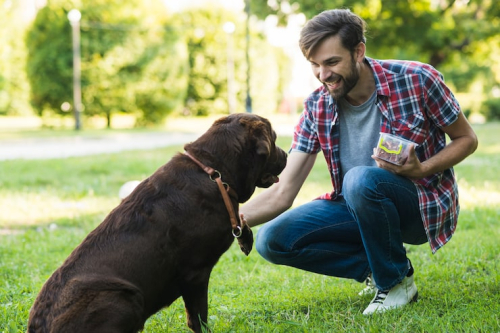
In the vibrant heart of San Francisco‘s Mission District, where colorful murals line the streets and dogs seem to outnumber people on clear weekend mornings, a subtle yet powerful change is taking place. Stroll along Valencia Street on any given afternoon, and you’re likely to see a trainer crouched low, offering gentle encouragement and a steady stream of treats to help a once-reactive rescue dog remain composed amid the rush of bicycles and pedestrians. There’s no shouting, no harsh leash corrections just calm guidance, timely rewards, and an emerging sense of mutual respect. Positive reinforcement, long dismissed by some as too lenient compared to old-school “tough love” approaches, is now transforming how residents perceive professional dog trainers, elevating the field from occasional skepticism to one rooted in credible, evidence-based practice.
Your dog’s daily struggles pulling, mealtime anxiety, or reactivity don’t just cause stress, they chip away at the joy of being together. At Prime Paw, our positive reinforcement-based programs meet your dog where they are and build confidence, connection, and real skills. Our tailored programs in-person classes, coaching, and online resources help you enjoy calmer walks, relaxed routines, and a deeper connection. Ready for lasting change? Schedule a Prime Paw consultation today!
The Growing Embrace of Humane Training Methods
The landscape of dog training has evolved markedly over the past decade, with positive reinforcement rewarding desired behaviors through treats, praise, play, or affection while steering clear of punishment emerging as the dominant, preferred method. This shift is backed by robust support from veterinarians, animal behaviorists, and leading organizations, who point to research demonstrating superior outcomes: stronger obedience, reduced stress, and fewer fear-related problems such as aggression when compared to aversive techniques.
In forward-thinking San Francisco, this evolution resonates deeply. Neighborhoods like Potrero Hill, Noe Valley, and Bernal Heights boast some of the city’s highest rates of pet ownership and residents who value community and compassion toward animals. These areas have warmly adopted trainers committed to force-free, reward-based techniques, aligning seamlessly with local values of empathy and science-driven care. The San Francisco SPCA, a longstanding pillar of humane animal welfare in the city, has championed these methods for years through its programs, classes, and veterinary behavior services, helping shape a new generation of trainers who prioritize welfare and effectiveness.
This professional momentum is unmistakable. Leading veterinary bodies, including the American Veterinary Society of Animal Behavior, endorse positive reinforcement as the most humane and effective approach. In San Francisco and beyond, more veterinarians refer clients to reward-based specialists, acknowledging the clear benefits for animal well-being. Reflecting this broader trend, recent industry insights indicate that over 58% of professional trainers now incorporate positive reinforcement techniques, a notable rise from 34% a decade ago. This growing adoption underscores a profession increasingly aligned with ethical, evidence-supported practices.
The market tells a similar story of expansion. The global pet services market, encompassing training among other non-medical services, was valued at USD 60.08 billion in 2024 and is projected to reach USD 125.77 billion by 2033, expanding at a CAGR of 8.58% from 2025 to 2033. North America claimed the largest share at 38.46% in 2024, with the U.S. leading the region. This surge is driven by pet humanization owners treating dogs as family members and rising disposable incomes that fuel demand for premium, personalized services like customized training programs. In urban settings like San Francisco, where apartment living and busy lifestyles prevail, behavioral training has become essential for managing canine manners in close quarters.
Real-Life Transformations in the City
Consider a typical scenario in the Mission District, where narrow sidewalks and limited off-leash space amplify everyday challenges. One trainer worked with a spirited terrier mix whose leash reactivity turned routine walks into stressful ordeals barking and lunging at every approaching dog. Early attempts with traditional corrections only amplified the anxiety. By shifting to positive reinforcement, the trainer rewarded calm attention toward the owner with high-value treats, methodically building a solid “look at me” cue. In just weeks, outings became relaxed and enjoyable, forging a deeper trust between dog and owner. Neighborhood chatter in local dog groups amplified the success, drawing more residents to humane trainers.
These stories repeat across San Francisco. In Dogpatch and the Castro District, trainers note that clients who once saw training as a desperate fix now view it as proactive care. Owners here particularly value how reward-based methods cultivate confidence rather than fear, equipping dogs to navigate crowded urban environments with ease. The result? Trainers experience increased referrals, stronger repeat business, and a reputation for being both approachable and reliably effective.
On the business front, this cultural shift drives growth. Demand for positive reinforcement training continues to rise in pet-rich neighborhoods, where owners prioritize their dog’s emotional well-being. Trainers who specialize in humane methods frequently see higher client retention, as owners appreciate the positive experience and observe enduring improvements.
Addressing Challenges Head-On
No approach is without obstacles. Some pet owners cling to outdated notions that rewards “spoil” dogs or that strict corrections are essential for discipline. Overcoming this skepticism requires patience and clear education, particularly when addressing complex issues like severe aggression, where positive reinforcement may need thoughtful integration with expert-guided adaptations.
Financial considerations also arise. Quality sessions with experienced trainers represent a meaningful commitment, though proponents highlight the long-term value fewer stress-induced veterinary visits, less property damage, and happier, better-adjusted dogs.
Yet the trajectory remains positive. Collaborations between trainers and community partners local shelters, pet shops, and boutique services are broadening access to reward-based programs, ensuring more dogs and owners benefit.
Looking Forward with Optimism
As San Francisco keeps growing and changing, its bond with the dogs sharing its streets and green spaces deepens. Positive reinforcement stands as more than a passing fashion it’s a compassionate, proven path that strengthens relationships and enhances community safety.
Experts grounded in the city’s rich humane heritage affirm that this method harmonizes with the strongest scientific and ethical standards. In the years ahead, anticipate even wider incorporation into routine pet care, with more owners selecting trainers who emphasize joy, trust, and mutual respect over intimidation.
Frequently Asked Questions
What is positive reinforcement dog training and why is it becoming more popular?
Positive reinforcement dog training rewards desired behaviors through treats, praise, play, or affection while avoiding punishment or harsh corrections. This method is gaining widespread adoption because it’s backed by research showing superior outcomes stronger obedience, reduced stress, and fewer fear-related behavioral problems compared to aversive techniques. Leading veterinary organizations, including the American Veterinary Society of Animal Behavior, now endorse positive reinforcement as the most humane and effective approach to dog training.
How effective is positive reinforcement for reactive or aggressive dogs?
Positive reinforcement has proven highly effective for addressing reactivity and behavioral challenges in urban environments. For example, dogs with leash reactivity those who bark and lunge at other dogs often improve dramatically when trainers reward calm attention and build confidence through reward-based methods rather than corrections. While severe aggression cases may require thoughtful integration with expert-guided adaptations, positive reinforcement consistently produces lasting behavioral improvements by building trust rather than fear between dogs and their owners.
Is positive reinforcement dog training worth the investment?
Yes, quality positive reinforcement training represents strong long-term value despite the upfront cost. Professional trainers using reward-based methods help prevent costly issues down the line, including stress-induced veterinary visits, property damage from behavioral problems, and the emotional toll of managing an anxious or fearful dog. With over 58% of professional trainers now incorporating positive reinforcement techniques (up from 34% a decade ago), this approach has become the industry standard, offering better-adjusted, happier dogs and stronger owner-pet relationships that enhance daily life.
Disclaimer: The above helpful resources content contains personal opinions and experiences. The information provided is for general knowledge and does not constitute professional advice.
You may also be interested in: Our Training Services
Your dog’s daily struggles pulling, mealtime anxiety, or reactivity don’t just cause stress, they chip away at the joy of being together. At Prime Paw, our positive reinforcement-based programs meet your dog where they are and build confidence, connection, and real skills. Our tailored programs in-person classes, coaching, and online resources help you enjoy calmer walks, relaxed routines, and a deeper connection. Ready for lasting change? Schedule a Prime Paw consultation today!
Powered by flareAI.co