
Quick Listen:
The way we train our dogs is undergoing a profound and quiet revolution. No longer dominated by outdated notions of dominance or harsh corrections, the field is shifting toward something more fundamental: the power of relationship.
Across neighborhoods, parks, and homes nationwide, owners are moving away from old-school tactics leash jerks, sharp verbal reprimands, and the insistence on “alpha” status. In their place, a growing consensus favors methods built on connection, trust, and genuine mutual understanding. This evolution to relationship-centered dog training represents far more than a passing fad; it reflects decades of behavioral science and the lived experiences of countless pet owners who have found these approaches more effective, humane, and sustainable.
At its heart, the question is straightforward: Why rely on force to compel obedience when you can cultivate a partnership where the dog actively chooses to cooperate?
The momentum behind this change is unmistakable in the broader market data. According to a comprehensive report from Fortune Business Insights, the global dog services market was valued at USD 19.12 billion in 2024, with projections showing growth from USD 20.10 billion in 2025 to USD 29.37 billion by 2032, at a steady CAGR of 5.57%. North America commanded a leading 33.94% market share in 2024. This overall sector growth provides context for the even more dynamic segment of professional training.
Specialized analyses highlight the rapid expansion of dog training services. One detailed forecast places the global dog training services market at USD 33.27 billion in 2024, rising to USD 36.46 billion in 2025 and reaching USD 75.92 billion by 2033, with a strong 9.6% CAGR from 2025 to 2033. Drivers include rising urbanization, shifting lifestyles, and the increasing recognition of dogs as emotional support companions. Another authoritative projection estimates the market at USD 43.8 billion in 2026, expanding to USD 99.95 billion by 2035 at the same 9.6% CAGR, with North America holding approximately 50–55% share due to elevated pet ownership and heightened awareness of behavioral health needs.
These impressive figures signal a cultural transformation. Dogs are no longer viewed merely as pets; they are family members whose emotional well-being matters deeply. Owners in densely populated cities and fast-changing households seek training that reinforces bonds rather than just enforces compliance. They desire well-mannered companions who behave well because they feel secure, respected, and understood not because they fear repercussions.
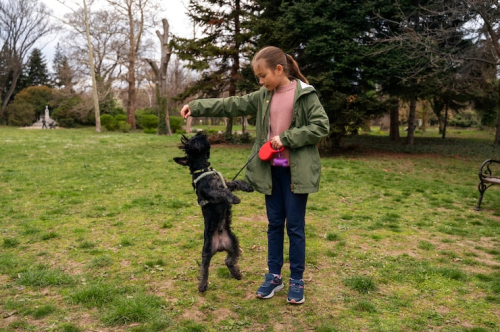
Central to this modern paradigm is positive reinforcement, the scientifically grounded cornerstone of relationship-centered training. As outlined by the American Kennel Club in its expert guidance on operant conditioning and positive reinforcement, this method rewards desired behaviors using treats, toys, play, or enthusiastic praise to make those actions more likely to recur. It draws directly from operant conditioning principles: voluntary behaviors strengthen when followed by positive consequences. This differs markedly from classical conditioning, the involuntary association exemplified by Pavlov’s dogs salivating at the sound of a bell linked to food.
Importantly, positive reinforcement is not a bribe. A bribe buys fleeting compliance; reinforcement fosters lasting learning, enthusiasm, and engagement. Dogs trained this way become willing partners, mentally stimulated and emotionally connected to their handlers through repeated rewarding interactions.
By contrast, traditional approaches often reliant on corrections, aversives, or dominance-based hierarchies can undermine trust, suppress natural behaviors, and diminish a dog’s eagerness to learn. Relationship-centered training counters this by prioritizing individualized attention. It accounts for each dog’s distinct personality, past experiences, and specific needs, integrating structured socialization in controlled, safe settings. Humane, evidence-based techniques build confidence, reduce anxiety, and promote joy rather than stress.
Programs that specialize in personalized puppy training exemplify this forward-thinking model. These initiatives customize every aspect private sessions, group dynamics, and socialization opportunities around the dog’s unique behavior profile, all delivered through positive reinforcement by seasoned professionals. The outcomes speak volumes: improved communication, fewer reactive outbursts, and a profoundly stronger bond that transcends basic commands like sit or stay.
Naturally, questions persist among potential adopters of these methods. Many hesitate over the perceived expense of professional guidance, wonder if structured training will truly make a difference with a high-energy puppy, or worry about carving out consistent time amid busy schedules. Yet the sustained market expansion provides a compelling rebuttal. Growing numbers of owners are discovering that thoughtful, relationship-oriented investment yields tangible returns: more peaceful outings, reduced household stress, and a richer, more harmonious life shared with their dogs.
This transition does not equate to abandoning discipline in favor of permissiveness. True obedience emerges most reliably from mutual respect and clear, compassionate communication. When dogs experience consistent understanding and value from their people, their responses stem from partnership rather than apprehension.
In an era when pets play increasingly vital emotional roles in our lives, the depth of that connection stands as perhaps the most enduring reward. As market data continues to reflect accelerating adoption and scientific support solidifies, the trajectory of dog training points away from outdated battles for control. Instead, it leads toward collaborative journeys rooted in trust, empathy, and shared growth a future where both dog and owner thrive together.
Your dog’s daily struggles pulling, mealtime anxiety, or reactivity don’t just cause stress, they chip away at the joy of being together. At Prime Paw, our positive reinforcement-based programs meet your dog where they are and build confidence, connection, and real skills. Our tailored programs in-person classes, coaching, and online resources help you enjoy calmer walks, relaxed routines, and a deeper connection. Ready for lasting change? Schedule a Prime Paw consultation today!
Frequently Asked Questions
What is relationship-centered dog training and how is it different from traditional methods?
Relationship-centered dog training focuses on building connection, trust, and mutual understanding between dogs and their owners through positive reinforcement techniques. Unlike traditional methods that rely on dominance hierarchies, leash corrections, and harsh verbal reprimands, this approach rewards desired behaviors with treats, praise, and play to create willing partnerships. Dogs trained this way actively choose to cooperate because they feel secure and respected, rather than complying out of fear of consequences.
How effective is positive reinforcement training compared to punishment-based methods?
Positive reinforcement training is scientifically grounded in operant conditioning principles and has proven highly effective at creating lasting behavioral change. This method strengthens desired behaviors by rewarding them, fostering mental stimulation, enthusiasm, and emotional connection rather than suppressing natural behaviors or undermining trust. Dogs trained with positive reinforcement show improved communication, fewer reactive outbursts, and stronger bonds with their handlers, while traditional correction-based approaches can increase anxiety and diminish a dog’s eagerness to learn.
Is professional dog training worth the investment for my puppy?
The rapidly growing dog training services market projected to reach $75.92 billion by 2033 reflects increasing recognition that professional training delivers tangible returns. Personalized, relationship-centered training programs yield more peaceful outings, reduced household stress, and a richer, more harmonious life with your dog. Professional trainers customize sessions around your puppy’s unique personality and needs, accounting for past experiences and providing controlled socialization that builds confidence and reduces anxiety, making the investment worthwhile for long-term behavioral success and emotional well-being.
Disclaimer: The above helpful resources content contains personal opinions and experiences. The information provided is for general knowledge and does not constitute professional advice.
You may also be interested in: Our Training Services
Your dog’s daily struggles pulling, mealtime anxiety, or reactivity don’t just cause stress, they chip away at the joy of being together. At Prime Paw, our positive reinforcement-based programs meet your dog where they are and build confidence, connection, and real skills. Our tailored programs in-person classes, coaching, and online resources help you enjoy calmer walks, relaxed routines, and a deeper connection. Ready for lasting change? Schedule a Prime Paw consultation today!
Powered by flareAI.co