
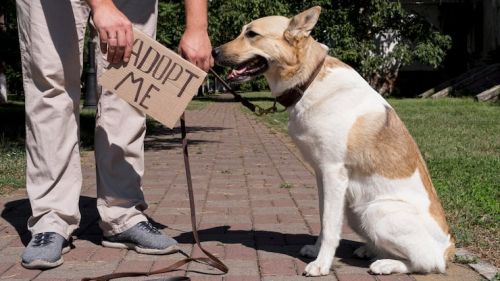
Imagine a snarling rescue dog, once quick to bare its teeth at strangers, now trotting along with a loose leash and a wagging tail. This shift isn’t some fairy tale it’s the result of deliberate, science-driven training. But in today’s polarized world, even dog training has become a battleground. Debates rage in online communities, vet offices, and San Francisco neighborhoods like the Mission District and Potrero Hill: Do we reward our pups for good behavior, or punish them for missteps? In Opinion | To Reward or Punish: How the Culture Wars Came for Dogs, we explore this divide, drawing on robust evidence and practical insights to show why one side holds the key to healthier, happier canine lives.
Your dog’s daily struggles pulling, mealtime anxiety, or reactivity don’t just cause stress, they chip away at the joy of being together. At Prime Paw, our positive reinforcement-based programs meet your dog where they are and build confidence, connection, and real skills. Our tailored programs in-person classes, coaching, and online resources help you enjoy calmer walks, relaxed routines, and a deeper connection. Ready for lasting change? Schedule a Prime Paw consultation today!
The Fundamentals of Positive Reinforcement
Responsible dog ownership goes beyond walks and kibble. It means fostering mental stimulation, strengthening bonds, and channeling natural instincts into polite behaviors. The good news? Experts from organizations like the RSPCA and leading veterinarians champion positive reinforcement as the most humane and effective training method. This technique rewards desired actions immediately with something the dog loves a treat, toy, or affection encouraging repetition without any form of punishment.
For example, if your dog jumps excitedly on visitors, you guide them to sit calmly and reward that instead of yelling or kneeing them away. Rooted in operant conditioning, positive reinforcement strengthens behaviors through positive outcomes. Undesired actions get ignored or redirected, starving them of attention. This stands in stark contrast to aversive methods, which use discomfort or fear to deter behaviors. Decades of research highlight how punishment can backfire, increasing stress and potentially worsening problems like aggression.
Positive approaches build trust and eagerness to learn. Dogs aren’t just obeying they’re engaging willingly. In bustling areas like SoMa or Dogpatch, where dogs encounter constant stimuli, this method helps them navigate the world confidently, reducing reactivity and enhancing safety for everyone.
Why Aversive Methods Often Escalate Problems
Many owners, frustrated by persistent issues, reach for tools promising fast results: prong collars, shock collars, or dominance-based techniques like alpha rolls. The appeal is understandable quick compliance feels efficient. However, scientific studies paint a troubling picture. Aversive training, which adds punishment (like a jolt) or removes it only after submission, harms dog’s welfare. During sessions, these dogs display stress signals: excessive yawning, lip licking, averted gazes, and rigid bodies. Afterward, their cortisol levels a reliable stress hormone marker remain elevated far longer than in reward-trained dogs.
The consequences ripple outward. Punishing a growl might silence it temporarily, but the underlying fear or frustration festers. Without warning signals, dogs may escalate to bites. Owner surveys reveal a direct link: aversive tactics correlate with higher aggression rates toward humans and other animals. Harsh physical corrections, such as hitting, provoke aggressive responses in up to 43% of cases. Even milder dominance displays, like staring intently, trigger issues in around 30%.
Worse still, “balanced” training blending rewards with punishments creates confusion. Dogs struggle to predict outcomes, leading to anxiety, fear, and more problem behaviors. This inconsistency damages the human-dog relationship, making dogs associate their owners with unpredictability rather than security. Behavior experts caution that such methods can generalize negativity, turning neutral situations into stressors and complicating future training efforts.
In contrast, positive methods avoid these pitfalls entirely, promoting emotional stability and long-term success.
How Positive Reinforcement Directly Counters Aggression
Aggression in dogs often stems from fear, resource guarding, or frustration emotions that positive reinforcement addresses head-on. Techniques like counterconditioning pair triggers (say, approaching strangers) with high-value rewards, rewiring the dog’s emotional response from threat to opportunity. A food-guarder learns that hands near the bowl predict treats, easing defensiveness gradually.
Desensitization works alongside, exposing dogs to low-level triggers while rewarding calm. These short, controlled sessions build tolerance without overwhelming the animal. Evidence from controlled studies supports this: reward-only trained dogs exhibit fewer overall behavior issues, including markedly lower aggression and fear. Shelter research shows even minimal positive interventions reduce reactivity between dogs, with notable improvements in females.
Prevention is equally powerful. Puppy classes focused on rewards during socialization windows correlate with reduced adult aggression toward unfamiliar canines. This early investment fosters resilience, teaching pups that new experiences bring joy, not danger. For owners, it equips them with force-free tools, deepening partnerships and preventing escalation.
In San Francisco’s vibrant communities like Bernal Heights or the Castro District, where dogs mingle in parks and cafes, these methods prove invaluable. They turn potential conflicts into harmonious interactions, benefiting the entire neighborhood.
Real-World Applications and Overcoming Myths
Myths abound: “Positive reinforcement is too soft for serious aggression.” Yet certified behaviorists routinely resolve severe cases using rewards alone. They teach incompatible behaviors like focusing on the owner during triggers while diminishing the trigger’s power through positive associations. No force needed; just smart, consistent application.
Group programs amplify effectiveness. In supervised settings, dogs rehearse skills safely with peers, under trainers who customize plans to unique temperaments. This targeted approach minimizes risks and maximizes gains, transforming reactive pups into poised companions.
Objections often center on practicality. Concerns about cost are valid, but the surging demand tells another story. The dog training services market globally stood at USD 33.27 billion in 2024, set to grow to USD 36.46 billion by 2025 and reach USD 75.92 billion by 2033, driven by a 9.6% compound annual growth rate from 2025 onward. Factors like urbanization, evolving lifestyles, and the therapeutic benefits of well-trained pets fuel this expansion. Skilled trainers offer varied formats private lessons, group classes, online options, workshops, and immersive board-and-train programs to suit diverse needs, from basic commands to advanced behavior fixes. Ultimately, these services fortify owner-pet bonds, leading to more balanced, fulfilling lives together.
Efficacy doubts for challenging cases overlook the data: positive techniques target underlying fears and anxieties, not just surface symptoms. Busy schedules pose another hurdle, but quality programs emphasize efficient, integrable routines brief daily sessions that yield visible progress without dominating your calendar.
PrimePaw, based in San Francisco, embodies these principles. As a dog training and enrichment specialist, they use positive reinforcement to craft personalized plans based on each pup’s behaviors and requirements. Their unique blend of training and socialization occurs in secure, supervised environments, guided by seasoned experts. This holistic focus not only resolves issues but cultivates joyful, trusting relationships ideal for time-pressed owners in Noe Valley or beyond who question if training suits their puppy.
A Brighter Future for Dogs and Owners
Aggression rarely arises in isolation; it’s often a cry for help amid stress, fear, or poor communication elements that punitive methods only intensify. Positive reinforcement charts a superior course: education rooted in empathy, not coercion; celebration of progress over criticism of faults. The payoffs extend far beyond basic obedience, yielding resilient dogs, capable guardians, and alliances built on affection rather than dread.
True change demands patience and precision, yet it unfolds predictably with evidence-based strategies. For canines trapped in cycles of reactivity, the verdict is unambiguous: rewards outperform reprimands. The research is compelling, the transformations authentic, and the impact for both dogs and their devoted humans transformative. By choosing positivity, we don’t merely manage aggression; we enrich existences, one affirming moment after another.
Frequently Asked Questions
Does positive reinforcement work for aggressive dogs?
Yes, positive reinforcement is highly effective for aggressive dogs by addressing the root emotional causes of aggression fear, anxiety, and frustration rather than just suppressing symptoms. Certified behaviorists routinely resolve severe aggression cases using reward-based methods like counterconditioning and desensitization, which teach dogs to associate triggers with positive outcomes. Research shows that dogs trained with rewards-only methods exhibit significantly lower aggression and fear scores compared to those trained with aversive techniques.
Why are punishment-based dog training methods harmful?
Punishment-based training methods can backfire by increasing stress, fear, and aggression in dogs rather than solving behavioral problems. Studies show that aversive techniques like shock collars or physical corrections elevate cortisol levels (stress hormones) and trigger aggressive responses in up to 43% of cases when harsh methods are used. These approaches suppress warning signals like growling without addressing underlying emotions, potentially leading to sudden, more dangerous escalations without warning.
How does positive reinforcement reduce dog aggression compared to balanced training?
Positive reinforcement reduces aggression by rewiring emotional responses through techniques like counterconditioning pairing triggers with high-value rewards to transform threats into positive predictors. Unlike “balanced” training that mixes rewards with punishments and creates confusion, pure positive methods build trust and emotional stability without the anxiety and increased problem behaviors associated with inconsistent approaches. Research demonstrates that reward-only trained dogs show fewer overall behavior issues, while mixed-method training actually yields the highest rates of fear, aggression, and attention-seeking problems.
Disclaimer: The above helpful resources content contains personal opinions and experiences. The information provided is for general knowledge and does not constitute professional advice.
You may also be interested in: Our Training Services
Your dog’s daily struggles pulling, mealtime anxiety, or reactivity don’t just cause stress, they chip away at the joy of being together. At Prime Paw, our positive reinforcement-based programs meet your dog where they are and build confidence, connection, and real skills. Our tailored programs in-person classes, coaching, and online resources help you enjoy calmer walks, relaxed routines, and a deeper connection. Ready for lasting change? Schedule a Prime Paw consultation today!
Powered by flareAI.co