
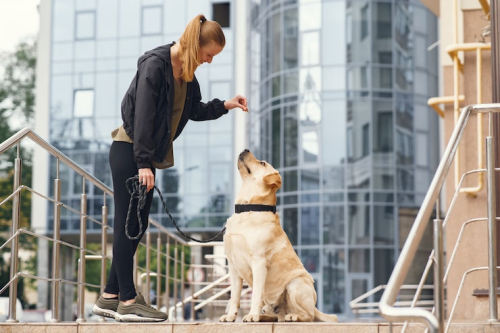
In the heart of San Francisco, where the steep hills echo with the rumble of buses and the sidewalks pulse with foot traffic, many dogs navigate a world of constant stimulation. From the dense energy of the Mission District to the industrial buzz of Dogpatch, urban canines encounter blaring sirens, sudden crowds, and tight spaces that can easily overwhelm even the most adaptable pup. Amid these challenges, a science-supported shift is gaining ground: relationship-based training centered on positive reinforcement. This method goes beyond basic obedience it cultivates trust, eases anxiety, and equips dogs to flourish in environments that might otherwise trigger fear or reactivity.
Recent research underscores why this approach resonates so deeply in city settings. A comprehensive study involving nearly 6,000 pet dogs revealed that living in more urban environments significantly increases the likelihood of social fearfulness toward other dogs and strangers. Key contributing factors include inadequate socialization during the critical puppyhood period (7–16 weeks), infrequent engagement in training or activities, small body size, female sex, and neutering status. The analysis, drawn from owner-reported behavioral surveys, also highlighted notable breed differences, pointing to a genetic component in fear responses. When excessive, such fear poses a serious welfare concern, contributing to chronic distress, potential health issues, and higher risks of relinquishment.
In contrast, consistent participation in positive, engaging activities helps dogs habituate to everyday stimuli and develop greater confidence benefits that relationship-based training delivers effectively.
Your dog’s daily struggles pulling, mealtime anxiety, or reactivity don’t just cause stress, they chip away at the joy of being together. At Prime Paw, our positive reinforcement-based programs meet your dog where they are and build confidence, connection, and real skills. Our tailored programs in-person classes, coaching, and online resources help you enjoy calmer walks, relaxed routines, and a deeper connection. Ready for lasting change? Schedule a Prime Paw consultation today!
Emerging Trends in Dog Training for Urban Dogs
Nationwide, dog owners are moving away from punitive, dominance-focused techniques toward reward-based methods. A seminal review of training approaches found that reward-based training correlates with higher owner-rated obedience across multiple tasks, while punishment-based methods show no such improvement in reliability yet are linked to more frequent problematic behaviors. These behaviors, ranging from anxiety signals to avoidance, often signal compromised welfare.
In dense cities like San Francisco, this distinction becomes even more critical. Urban dogs contend with relentless stressors honking horns in SoMa, fast-moving cyclists in Potrero Hill, crowded parks in Bernal Heights that can amplify fear if training adds pressure rather than relief. Positive reinforcement, by rewarding calm focus and desired responses, builds resilience through trust and enjoyable learning experiences.
This trend aligns with broader market growth. The U.S. dog training services sector reached $294 million in 2025, reflecting a 2.3% increase that year despite a slight historical decline from 2020–2025. Meanwhile, the global pet services industry including training, grooming, boarding, and more was valued at $43.39 billion in 2024, projected to rise to $45.58 billion in 2025 and $66.23 billion by 2032, with a CAGR of 5.48%. North America held a dominant 34.62% share in 2024, driven by owners treating pets as family members who deserve thoughtful, humane care.
Real-World Examples and Applications
Consider a leash-reactive dog on the vibrant streets of the Castro District. With tailored positive reinforcement sessions, the handler rewards steady focus and relaxed posture amid distractions, gradually shifting the dog’s attention from triggers to the person at the other end of the leash. In compact apartment neighborhoods like Noe Valley, timid rescue dogs gain confidence through gradual exposure and trust-building exercises learning to relax in elevators or greet visitors calmly.
These transformations are far from rare. San Francisco trainers frequently combine individualized training with supervised socialization in secure settings, addressing the specific demands of city life. Owners report tangible improvements: deeper connections, reduced incidents during walks, and more relaxed visits to urban dog parks and cafes.
Key Challenges and Limitations
Training amid urban noise and crowds presents real difficulties. A dog may startle at every emergency vehicle in the Mission or lunge toward passing bikes in Bernal Heights. Traditional force-based or intimidation tactics often exacerbate these reactions, heightening fear rather than resolving it. Positive reinforcement counters this by starting where the dog is comfortable, using high-value rewards to encourage calm alternatives without introducing additional stress.
Opportunities and Business Impacts
With rising dog adoptions in apartments and pet-friendly urban lifestyles, demand for effective, relationship-focused training continues to climb. Neighborhood providers across Potrero Hill, the Castro, and beyond now offer customized puppy classes, adult behavior programs, and socialization opportunities tailored to city challenges. These services accommodate all ages, sizes, and breeds, prioritizing methods that strengthen the human-dog bond.
The expansion makes sense. As pet owners increasingly seek services that enhance well-being, businesses emphasizing positive, science-backed approaches are positioned to support San Franciscans in raising balanced, confident companions.
Expert Insight: Trust-Based
The evidence is clear: the most promising path for dog training particularly in demanding urban environments centers on methods that nurture trust and emotional security rather than relying on dominance or correction. Positive reinforcement not only imparts practical skills but also promotes overall welfare, enabling dogs to handle the intensity of city living with poise and enthusiasm.
For San Francisco residents whose dogs appear stressed by the urban rhythm, exploring relationship-based options nearby can make a profound difference. In neighborhoods from the Mission District to Potrero Hill and beyond, the right guidance turns routine outings into opportunities for joy. Programs like those at PrimePaw deliver personalized, positive reinforcement training designed to foster lasting confidence and connection precisely the support modern city dogs deserve. Investing in this approach strengthens the partnership between you and your dog, creating a happier life together amid the city’s endless energy.
Frequently Asked Questions
Why is positive reinforcement training especially important for dogs living in urban environments like San Francisco?
Urban dogs face constant stressors including traffic noise, crowded sidewalks, sirens, and tight spaces that can trigger fear and anxiety. Positive reinforcement training builds trust and resilience without adding pressure, helping city dogs develop confidence and calm responses to overwhelming stimuli. Research shows that reward-based methods correlate with higher obedience and fewer problematic behaviors, while punishment-based techniques can actually worsen anxiety and fear responses in challenging urban settings.
What factors contribute to social fearfulness in city dogs, and how does relationship-based training help?
Studies of nearly 6,000 pet dogs found that urban living, inadequate socialization during the critical 7-16 week puppyhood period, infrequent training activities, and certain breed predispositions significantly increase social fearfulness toward other dogs and strangers. Relationship-based training addresses these issues by providing consistent, positive engagement that helps dogs habituate to everyday stimuli and develop greater confidence. This approach transforms fear-based reactions into calm, focused responses through trust-building rather than correction.
How does positive reinforcement training differ from traditional dominance-based methods for reactive dogs?
Unlike dominance-focused or punishment-based techniques that can heighten fear and create additional stress, positive reinforcement rewards calm behavior and desired responses, building resilience through enjoyable learning experiences. For leash-reactive dogs encountering distractions on busy city streets, this method teaches them to focus on their handler rather than triggers, gradually shifting their emotional response without using force or intimidation. Research confirms that reward-based training improves reliability across multiple tasks while promoting better overall welfare.
Disclaimer: The above helpful resources content contains personal opinions and experiences. The information provided is for general knowledge and does not constitute professional advice.
You may also be interested in: Our Training Services
Your dog’s daily struggles pulling, mealtime anxiety, or reactivity don’t just cause stress, they chip away at the joy of being together. At Prime Paw, our positive reinforcement-based programs meet your dog where they are and build confidence, connection, and real skills. Our tailored programs in-person classes, coaching, and online resources help you enjoy calmer walks, relaxed routines, and a deeper connection. Ready for lasting change? Schedule a Prime Paw consultation today!
Powered by flareAI.co