
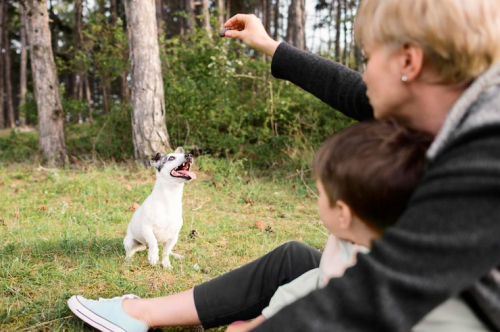
The streets of San Francisco pulse with life, yet for countless city dogs, true excitement comes from the simplest pleasures: a deep sniff along a foggy sidewalk, the satisfying rip of cardboard, or the focused puzzle-solving that turns dinner into an adventure. In tight apartments and fast-moving neighborhoods, boredom creeps in fast manifesting as shredded cushions, persistent barking, or restless pacing. Enter dog enrichment, a thoughtful, evidence-based approach that channels natural canine instincts into positive, fulfilling outlets, keeping dogs balanced, content, and far less likely to invent their own (usually destructive) entertainment.
Dog enrichment is about intentionally allowing dogs to express their core behaviors playing, chasing, smelling, chewing, and scavenging in safe, controlled ways. As the ASPCA explains, regular engagement with these innate activities is the key to a happy and healthy dog, delivering physical exercise, emotional fulfillment, and vital mental stimulation. When dogs lack sufficient outlets, they improvise, often resulting in unwanted behaviors that frustrate owners and stress the household.
The advantages extend well beyond curbing mischief. A properly enriched dog tends to be calmer at home, more confident in new situations, and better equipped to handle the sensory overload of urban living. In San Francisco neighborhoods like the Mission District, Potrero Hill, SoMa, Dogpatch, Bernal Heights, Castro District, and Noe Valley where limited square footage, short leashed walks, and frequent fog or crowds are the norm enrichment becomes almost non-negotiable for maintaining well-being.
This rising priority is clearly visible in the marketplace. The United States dog toys market, encompassing a wide range of enrichment products, stood at USD 3,840 million in 2024 and is forecasted to climb to USD 7,272.4 million by 2032, reflecting a strong compound annual growth rate (CAGR) of 8.31% during the 2025–2032 period. Key forces behind this expansion include surging pet ownership, the deepening humanization of pets (treating dogs as true family members), and heightened focus on toys that support physical activity, mental engagement, behavioral health, and even dental care. Busy dual-income households increasingly turn to interactive and puzzle-based options to provide stimulation when owners are away.
On a global scale, the interactive enrichment dog toys segment is projected to reach approximately USD 2.5 billion by 2033, advancing at a CAGR of 7.8% from 2025 to 2033. This trajectory is fueled by growing awareness of pet mental health, worldwide increases in pet ownership, and the continued trend of pet parents investing in premium, innovative products that combine mental challenge with physical exercise.
Fortunately, effective enrichment does not demand expensive gear or large spaces. Many of the most powerful activities rely on household items and a bit of creativity. Here are some proven, practical ideas to get started.
Your dog’s daily struggles pulling, mealtime anxiety, or reactivity don’t just cause stress, they chip away at the joy of being together. At Prime Paw, our positive reinforcement-based programs meet your dog where they are and build confidence, connection, and real skills. Our tailored programs in-person classes, coaching, and online resources help you enjoy calmer walks, relaxed routines, and a deeper connection. Ready for lasting change? Schedule a Prime Paw consultation today!
Food-Based Puzzles: Turn Mealtime into Mental Work
Food puzzles rank among the most engaging and accessible forms of enrichment because they tap directly into a dog’s foraging instinct. The classic muffin tin puzzle is a favorite: place kibble in several cups of a standard muffin tin, then cover each with a tennis ball or toy. The dog must nudge, paw, and problem-solve to access every piece. For a step-up challenge, create a nested box puzzle using three cardboard boxes of decreasing size; hide a high-value treat in the innermost box, fold the flaps closed, and let the dog unpack the layers one by one.
Even simpler options work beautifully. Stuff a toilet paper or paper towel roll with treats, fold and secure both ends, and watch your dog chew, roll, and tear to retrieve the reward. A DIY snuffle mat made by tying long strips of fleece through the holes of a rubber mat or bath mat allows dogs to root and sniff out scattered kibble hidden in the fabric. These games slow down eating, reduce gulping, and provide deep mental satisfaction while mimicking natural hunting behavior.
Scent Work: Harness the World’s Most Powerful Nose
A dog’s sense of smell is extraordinary thousands of times more acute than ours making scent-based games exceptionally rewarding. Begin with the basic “find it” command: show your dog a treat, toss it a short distance while saying the cue, then praise lavishly when they locate it. Gradually increase difficulty by hiding treats under furniture, in different rooms, or behind objects.
On neighborhood walks through San Francisco’s distinctive hilly terrain, give your dog permission to pause and investigate interesting smells. Those seemingly aimless sniffs deliver substantial cognitive benefits, often equivalent to a full training session in terms of mental fatigue and satisfaction.
Environmental & Physical Enrichment: Variety in Motion
Environmental enrichment introduces novelty and movement. Build an impromptu indoor agility circuit using chairs, cushions, and broomsticks as jumps or tunnels; guide your dog through the pattern with treats as motivation. A homemade flirt pole a sturdy stick or PVC pipe with rope and a tug toy attached ignites chasing and pouncing instincts safely in confined areas.
Supervised chewing on durable, appropriate items and rotation of puzzle toys prevent habituation and keep interest high. For puppies and adolescents, blending these activities with positive reinforcement training is particularly valuable, fostering confidence and a strong human-canine bond through trust-based, force-free methods.
In San Francisco, where many owners prioritize science-backed, reward-focused approaches, combining enrichment with personalized training and safe group socialization helps dogs navigate the city’s unique demands crowded sidewalks, sudden noises, and limited outdoor space with greater ease and resilience.
Consistency Over Complexity
The real magic of enrichment lies in its accessibility and flexibility. You do not need a closet full of gadgets; consistency trumps complexity every time. Dedicating just ten to fifteen minutes a day to one or two thoughtful activities can dramatically shift a restless, anxious dog into a relaxed, satisfied companion.
Ultimately, enrichment is far more than a collection of games or toys. It represents a commitment to letting dogs be dogs to fulfill their evolutionary needs in a modern, often restrictive world. Whether you’re in Bernal Heights watching your pup triumphantly dismantle a box puzzle or in the Dogpatch allowing a leisurely sniff session at every corner, these intentional moments reduce stress, prevent problem behaviors, and deepen the everyday joy of living with a dog. A well-enriched dog is not only happier and healthier they become an even more cherished member of the family.
Frequently Asked Questions
What is dog enrichment and why is it important for my dog?
Dog enrichment is an evidence-based approach that allows dogs to express their natural behaviors such as sniffing, chewing, foraging, and problem-solving in safe, controlled ways. It provides essential mental stimulation, physical exercise, and emotional fulfillment that prevents boredom-related behaviors like destructive chewing, excessive barking, and restless pacing. Regular enrichment activities help dogs stay calmer at home, more confident in new situations, and better equipped to handle the sensory challenges of urban living.
What are some easy DIY enrichment activities I can do at home with my dog?
You can create effective enrichment activities using simple household items without expensive equipment. Try a muffin tin puzzle by placing kibble in the cups and covering them with tennis balls, or make a nested box puzzle using cardboard boxes of decreasing sizes with treats hidden inside. Other popular options include stuffing toilet paper rolls with treats, creating a DIY snuffle mat from fleece strips tied through a rubber mat, or playing “find it” scent games by hiding treats around your home for your dog to discover.
How much time should I dedicate to dog enrichment activities each day?
Dedicating just 10 to 15 minutes per day to one or two enrichment activities can dramatically improve your dog’s behavior and well-being. Consistency is more important than complexity regular, short sessions of mental stimulation through food puzzles, scent work, or physical challenges are far more effective than occasional lengthy activities. These brief daily enrichment periods can reduce stress, prevent problem behaviors, and help transform a restless dog into a relaxed, satisfied companion.
Disclaimer: The above helpful resources content contains personal opinions and experiences. The information provided is for general knowledge and does not constitute professional advice.
You may also be interested in: Our Training Services
Your dog’s daily struggles pulling, mealtime anxiety, or reactivity don’t just cause stress, they chip away at the joy of being together. At Prime Paw, our positive reinforcement-based programs meet your dog where they are and build confidence, connection, and real skills. Our tailored programs in-person classes, coaching, and online resources help you enjoy calmer walks, relaxed routines, and a deeper connection. Ready for lasting change? Schedule a Prime Paw consultation today!
Powered by flareAI.co