
Quick Listen:
Picture this: your dog greets you at the door, tail whipping back and forth so vigorously it seems to wag the entire body. Most owners beam and think, “Pure happiness.” Yet that same vigorous wag can signal overstimulation or even rising frustration in different contexts. Misinterpreting these signals contributes to countless training setbacks, from ignored commands to unexpected nips. Mastering dog body language reveals the unspoken dialogue happening every day, turning training from a battle of wills into a partnership built on mutual understanding.
Body language forms the cornerstone of canine communication, far surpassing vocalizations in frequency and nuance. The American Kennel Club notes that dogs rely primarily on visual cues posture, facial expressions, tail carriage to convey intent and emotion. For trainers and owners alike, learning this language sharpens observation skills, prevents escalation of stress, and accelerates progress in obedience and behavior modification.
Your dog’s daily struggles pulling, mealtime anxiety, or reactivity don’t just cause stress, they chip away at the joy of being together. At Prime Paw, our positive reinforcement-based programs meet your dog where they are and build confidence, connection, and real skills. Our tailored programs in-person classes, coaching, and online resources help you enjoy calmer walks, relaxed routines, and a deeper connection. Ready for lasting change? Schedule a Prime Paw consultation today!
Why Context Always Trumps Isolated Signals
No single gesture tells the full story. A raised tail might appear dominant, but combined with soft eyes and a loose body, it often signals mere alertness. The key lies in reading clusters of signals within the immediate environment. Observe your dog during calm moments to establish a baseline what their ears, tail, and posture look like when relaxed. Deviations from that baseline provide the clearest insights during training sessions or interactions.
This contextual approach empowers you to anticipate reactions. Spotting early discomfort allows adjustments before a dog shuts down or reacts defensively, fostering confidence and receptivity to learning.
The Tail: A Dynamic Indicator of Arousal, Not Just Joy
The myth that any wagging tail equals happiness persists stubbornly. In reality, tail wagging reflects emotional arousal of any kind positive or negative. Position, speed, and rigidity offer critical clues.
- A loose, mid-level wag accompanied by relaxed posture typically indicates friendliness and approachability, ideal for initiating training cues.
- High, stiff tail carriage often signals heightened alertness or potential aggression; pushing commands here risks confrontation.
- Low or tucked tails point to fear, anxiety, or submission gentle, positive methods help rebuild security.
- Rapid, short wags suggest intense arousal, while slow, broad sweeps convey calm contentment.
Research highlights directional biases: tails wag more rightward for positive stimuli and leftward for negative ones, though overall body posture remains the most reliable interpreter. During training, an early low wag warns you to pause, reinforce calm, and avoid pushing through resistance.
Ears and Eyes: Subtle Revelations of Inner State
Ears function as emotional radar. Perked forward ears show interest and focus prime conditions for absorbing new commands. Relaxed ears, slightly back or neutral (breed-dependent), indicate comfort. Flattened or pinned ears signal fear or submission; continuing pressure in this state can lead to learned helplessness or defensive outbursts.
Eyes deliver equally telling information. Soft, almond-shaped eyes with slow blinks denote relaxation and trust. Hard, direct stares often serve as warnings or challenges. The infamous whale eye where the whites show prominently as the dog averts its head signals discomfort, anxiety, or feeling threatened, frequently seen when a dog feels cornered or overwhelmed during handling.
In practice, monitor these during collar grabs or proximity exercises. Widening eyes or flattening ears call for slower approaches and counter-conditioning with rewards to reshape negative associations.
Posture and Full-Body Cues: From Ease to Tension
A content dog displays loose, fluid movement balanced weight, slightly open mouth, relaxed tongue. Play bows (front lowered, rear elevated) invite interaction without threat. These green-light postures suit productive training moments.
Contrast that with stress indicators: rigid stance, weight shifted forward (assertive) or backward (avoidant), piloerection (raised hackles, signaling arousal rather than pure aggression), and displacement activities like abrupt yawning, lip-licking, or ground-sniffing amid confusion.
Training often triggers these when cues lack consistency or sessions drag on. A yawn during repetitive sits signals overload better to shorten tasks, reduce difficulty, and accumulate small wins to restore momentum.
Recognizing Calming Signals During Sessions
Dogs deploy subtle behaviors, often called calming signals, to diffuse tension many directed at humans who overlook them. Common ones include:
- Yawning or lip-licking unrelated to hunger or fatigue
- Averting gaze or turning the head/body away
- Freezing or slowed movements
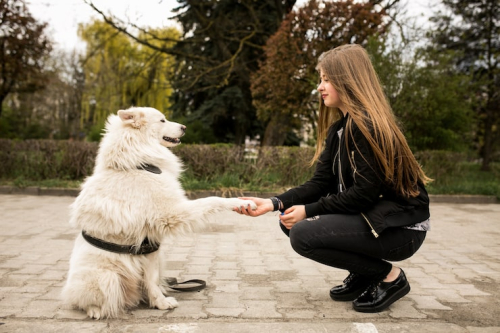
- Raising a front paw (indicating uncertainty)
- Full-body shake-off after handling or interaction
Responding thoughtfully by granting space, softening tone, or pausing reinforces trust and smooths future sessions.
Market Trends Reflect Growing Awareness of Behavioral Training
Interest in understanding and shaping dog behavior continues to surge. The global pet behavioral training market reached $4.8 billion in 2025 and is projected to grow to $7.3 billion by 2032 at a CAGR of 6.18%, driven by emphasis on obedience, socialization, and addressing issues like anxiety or aggression through positive methods. Similarly, the dog training services sector, valued at $33.27 billion in 2024, is expected to expand to $75.92 billion by 2033 with a 9.6% CAGR, fueled by urbanization, lifestyle shifts, and demand for professional guidance ranging from basic obedience to specialized behavior modification.
These figures underscore a broader cultural shift toward viewing training as essential for harmonious human-canine bonds rather than mere correction.
Translating Insight Into Effective Training
Fluency in body language elevates training from rote repetition to responsive dialogue. You detect engagement (forward ears, soft eyes) versus overload (avoidance, tension), adjusting pace and rewards dynamically. Positive reinforcement thrives when timed to calm, focused moments, amplifying desired behaviors.
Visual signals often outpace verbal ones dogs naturally process body cues. Pairing hand gestures (raised palm for stay) with attentive reading of responses creates crystal-clear communication. Over weeks, frustration diminishes; dogs learn faster, exhibit fewer issues, and develop profound trust.
Practical Steps to Sharpen Your Observation Skills
Begin in distraction-free zones. During walks or quiet evenings, scan deliberately: tail carriage loose? Ears neutral? Eyes relaxed? Proceed with cues and reinforce generously. Tension appears? Simplify demands, lure with treats toward calm, and retry.
Log observations over days note patterns during greetings, play, or rest. Familiarity breeds intuition, much like mastering any language through immersion.
Closing Reflection: The Power of Truly Seeing
Dogs communicate tirelessly; the shortfall often lies in our listening. Attuning to their body language transcends better training it forges relationships rooted in empathy and clarity. The rewards include a more cooperative companion, reduced conflict, and richer shared experiences. On your next interaction, pause and observe closely. Your dog speaks volumes. Are you prepared to understand?
Frequently Asked Questions
Does a wagging tail always mean my dog is happy?
No, a wagging tail indicates emotional arousal of any kind positive or negative not just happiness. The position, speed, and rigidity of the wag provide critical clues: a loose, mid-level wag typically signals friendliness, while a high, stiff wag can indicate alertness or potential aggression. Low or tucked tails point to fear or anxiety, so always read the tail in context with your dog’s overall body posture and environment.
What are calming signals in dogs and why do they matter for training?
Calming signals are subtle behaviors dogs use to diffuse tension, including yawning, lip-licking, averting their gaze, freezing, raising a front paw, or shaking off after interaction. Recognizing these signals during training sessions allows you to respond thoughtfully by granting space, softening your tone, or pausing which reinforces trust and prevents your dog from becoming overwhelmed or shutting down.
How can I tell if my dog is stressed during a training session?
Watch for stress indicators like a rigid stance, weight shifted backward (avoidance), raised hackles, whale eye (showing the whites of their eyes), flattened or pinned ears, and displacement activities such as sudden yawning or ground-sniffing. These signs suggest your dog is experiencing overload or discomfort, signaling you should shorten the task, reduce difficulty, and use positive reinforcement to restore confidence and momentum.
Disclaimer: The above helpful resources content contains personal opinions and experiences. The information provided is for general knowledge and does not constitute professional advice.
You may also be interested in: Prime Paw – Based in San Francisco, we strive to educate our
Your dog’s daily struggles pulling, mealtime anxiety, or reactivity don’t just cause stress, they chip away at the joy of being together. At Prime Paw, our positive reinforcement-based programs meet your dog where they are and build confidence, connection, and real skills. Our tailored programs in-person classes, coaching, and online resources help you enjoy calmer walks, relaxed routines, and a deeper connection. Ready for lasting change? Schedule a Prime Paw consultation today!
Powered by flareAI.co