
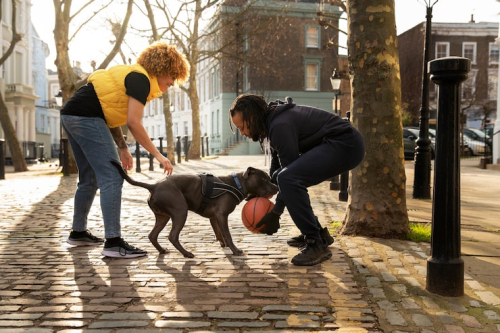
In the lively neighborhoods of San Francisco from the colorful sidewalks of the Mission District to the steep streets of Potrero Hill, the industrial edge of Dogpatch, and the quiet charm of Noe Valley dogs are woven into daily life. They join morning commutes, nap in sunlit parks, and race freely in off-leash areas that have become essential community gathering spots. Yet as the city grows denser and more dogs fill these shared spaces, a pressing question echoes among trainers, behavior specialists, and thoughtful pet parents: Is off-leash play in urban dog parks genuinely safe?
The reality lies somewhere between caution and optimism. These fenced zones deliver critical exercise, mental stimulation, and socialization opportunities that many dogs crave. At the same time, they present real risks that can transform an ordinary afternoon into stress, injury, or lasting behavioral challenges. Experienced trainers working directly in these neighborhoods, together with ethologists grounded in canine science, are now examining how unstructured park play compares to more intentional, supervised approaches.
Your dog’s daily struggles pulling, mealtime anxiety, or reactivity don’t just cause stress, they chip away at the joy of being together. At Prime Paw, our positive reinforcement-based programs meet your dog where they are and build confidence, connection, and real skills. Our tailored programs in-person classes, coaching, and online resources help you enjoy calmer walks, relaxed routines, and a deeper connection. Ready for lasting change? Schedule a Prime Paw consultation today!
San Francisco’s Off-Leash Reality
The San Francisco Recreation and Park Department maintains roughly three dozen designated off-leash areas scattered across the city. Neighborhoods like SoMa, Bernal Heights, the Castro District, and others each have at least one fenced or clearly marked space where leashes can come off. Basic rules remain consistent: owners must pick up waste, keep aggressive animals leashed citywide, and carry a leash at all times. Enforcement depends on rangers, occasional police presence, and community vigilance meaning actual oversight varies widely depending on the hour and the crowd.
Urban density adds complexity. Small neighborhood parks often become very busy very quickly. Limited space, constant background noise from traffic, pedestrians, and construction can heighten arousal levels. Trainers frequently observe resource guarding around toys, spillover of leash reactivity from sidewalk walks, and overstimulation in confined areas patterns that appear regularly in compact parks throughout Bernal Heights and Noe Valley.
Patterns Trainers Witness Every Week
Across San Francisco’s dog-training community, certain incidents repeat. Play sessions in crowded parks sometimes escalate into tension, especially when large and small dogs interact without close monitoring. Owners occasionally become absorbed in phones, and reliable recall falters under high distraction. These issues become more pronounced in smaller fenced enclosures typical of many neighborhood spots.
Professional trainers consistently recommend a different path: environments where each dog’s behavior is assessed before group entry, followed by guided socialization using positive reinforcement. This structured model stands in clear contrast to the unsupervised nature of most public off-leash areas, where no compatibility screening occurs, arousal thresholds go unchecked, and young dogs can absorb problematic social habits from chaotic encounters.
What Behavioral Science Tells Us
Research from veterinary behavior programs highlights the importance of well-managed early socialization. Critical developmental windows exist for building positive associations, but excessive or poorly controlled exposure to unfamiliar dogs particularly in noisy, unpredictable urban settings can elevate stress hormones and undermine confidence. In high-turnover parks in neighborhoods like the Mission District and SoMa, rapid changes in the dog population add further unpredictability.
Other factors compound the challenge: inconsistent visibility of vaccination status, wide variety in breed temperaments without prior evaluation, and the sheer volume of interactions that prioritize quantity over quality. The scientific consensus is straightforward: more meetings do not automatically equal better socialization.
Growing Interest in Controlled Socialization
Across the city, demand is rising for puppy classes and socialization sessions that prioritize careful grouping, real-time coaching, and structured off-leash play with immediate intervention when needed. Pet parents are becoming more aware of the potential costs of injuries, long-term behavior issues, and the hours later spent correcting habits that could have been prevented.
Conversations on Instagram and Facebook amplify these concerns. Local groups regularly share accounts of minor scuffles in the Castro District, tense moments in Dogpatch, or unsettling experiences elsewhere, turning individual stories into broader community discussions about safer ways to let dogs play.
Common Scenarios in Neighborhood Parks
Recurring patterns emerge. High-energy adolescent dogs in smaller parks common in Noe Valley and Bernal Heights often struggle with overstimulation, weak recall amid competing distractions, and competition over toys. In busier locations such as the Mission District and SoMa, inexperienced owners sometimes introduce untrained puppies directly into packed off-leash zones, assuming exposure alone equals proper socialization while underestimating how quickly negative learning can take root.
Understanding the Full Range of Risks
Physical risks range from bites and soft-tissue injuries to sprains caused by mismatched play styles. On the behavioral side, dogs may strengthen leash reactivity, generalize anxiety to new environments, or form fear responses during sensitive developmental periods. Many owners hesitate to invest in professional training because of cost concerns, uncertainty about whether it will work for their puppy, or simply a lack of consistent time leaving free dog parks as the most convenient fallback despite the drawbacks.
A Smarter Model for City Living
Programs that combine personalized training plans, thoughtfully supervised group play, and consistent positive reinforcement methods deliver measurable safety benefits. They allow compatibility screening, early de-escalation, and guided interactions that public parks cannot reliably provide. For time-pressed professionals in fast-moving neighborhoods like SoMa and Dogpatch, these options consolidate training and socialization into efficient sessions, often reducing the need for expensive behavior fixes down the road.
The ripple effects extend further: fewer injury-related veterinary visits, fewer conflicts among owners sharing the same small green spaces, and greater overall trust within dog-friendly communities such as the Castro District and Mission District. When responsibility is prioritized, everyone benefits and the parks remain welcoming for years to come.
Practical Guidance from the Experts
Trainers and behavior specialists largely agree: off-leash play is not inherently unsafe, but in a compact, high-density city like San Francisco, it requires deliberate planning. The most effective strategies include evaluating a dog’s temperament and social readiness before regular park visits, building rock-solid recall skills, choosing supervised socialization opportunities whenever feasible, and balancing unstructured park time with structured, evidence-based training.
For dog owners across the Mission District, Potrero Hill, SoMa, Dogpatch, Bernal Heights, Castro District, Noe Valley, and the rest of the city, the future of safe, joyful off-leash culture depends on informed decisions rather than default convenience. In a place where space is limited but affection for dogs runs deep, pairing vibrant community parks with thoughtful, science-backed practices offers the best way to protect canine well-being while preserving the happiness that every wagging tail represents.
Frequently Asked Questions
Are dog parks safe for off-leash play in a dense city like San Francisco?
Off-leash play in urban dog parks isn’t inherently unsafe, but city density introduces real risks including overstimulation, resource guarding, and unpredictable dog-to-dog interactions in confined spaces. Trainers and behavior specialists recommend evaluating your dog’s temperament and social readiness before regular park visits, building strong recall skills, and supplementing unstructured park time with supervised, structured socialization whenever possible.
What are the risks of taking my dog to an off-leash dog park?
Risks range from physical injuries like bites and sprains to longer-term behavioral issues such as leash reactivity, generalized anxiety, and fear responses formed during sensitive developmental periods. High-turnover parks with no compatibility screening mean dogs of varying temperaments and vaccination statuses mix freely, which can reinforce poor social habits especially in young or adolescent dogs still learning how to interact.
Is structured dog training better than dog park socialization?
Behavioral science and professional trainers largely agree that quality of social interactions matters more than quantity. Structured programs that include temperament assessments, guided off-leash play, and positive reinforcement methods offer compatibility screening and real-time intervention that public parks simply can’t provide. For puppy owners especially, this approach helps prevent the kind of negative associations that can be difficult and costly to correct later.
Disclaimer: The above helpful resources content contains personal opinions and experiences. The information provided is for general knowledge and does not constitute professional advice.
You may also be interested in: Prime Paw – Based in San Francisco, we strive to educate our
Your dog’s daily struggles pulling, mealtime anxiety, or reactivity don’t just cause stress, they chip away at the joy of being together. At Prime Paw, our positive reinforcement-based programs meet your dog where they are and build confidence, connection, and real skills. Our tailored programs in-person classes, coaching, and online resources help you enjoy calmer walks, relaxed routines, and a deeper connection. Ready for lasting change? Schedule a Prime Paw consultation today!
Powered by flareAI.co