
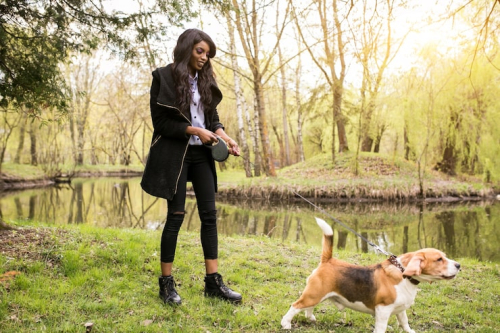
In the vibrant heart of San Francisco’s Mission District, colorful murals line the sidewalks and the scent of sizzling street food fills the air. For many dog owners here, the daily walk once felt more like a high-stakes negotiation than a peaceful outing. Pups darted toward cyclists, froze at approaching strangers, or barked at every passing skateboard. Yet across neighborhoods from Potrero Hill to Noe Valley, a growing number of residents are experiencing a meaningful change through trust-based training a method built on connection, patience, and positive reinforcement that is quietly reshaping how people and their dogs move through the city together.
This approach goes beyond basic commands. It focuses on building mutual understanding so dogs learn to look to their owners for guidance in chaotic urban settings. Instead of correction or intimidation, owners use rewards treats, praise, play to reinforce calm behavior, loose-leash walking, and confident social interactions. The result is not just better manners but a deeper partnership that makes everyday life noticeably easier.
Your dog’s daily struggles pulling, mealtime anxiety, or reactivity don’t just cause stress, they chip away at the joy of being together. At Prime Paw, our positive reinforcement-based programs meet your dog where they are and build confidence, connection, and real skills. Our tailored programs in-person classes, coaching, and online resources help you enjoy calmer walks, relaxed routines, and a deeper connection. Ready for lasting change? Schedule a Prime Paw consultation today!
Why Trust-Based Methods Are Gaining Ground in San Francisco
San Francisco has long embraced progressive, humane approaches to pet care. With high dog ownership and compact living spaces, the demand for training that reduces stress for both dog and owner continues to rise. Neighborhoods like SoMa, Dogpatch, Bernal Heights, Castro District, and the Mission are filled with busy professionals who want reliable, low-drama walks without investing hours in outdated dominance-based techniques.
Positive reinforcement fits this lifestyle perfectly. Trainers teach owners to read subtle signals ear position, tail carriage, eye contact and respond with immediate, consistent rewards for desired behavior. Punishment is avoided entirely because it often increases anxiety, especially in dogs already overstimulated by sirens, crowds, and traffic.
Industry observers note steady growth in demand for these services. North America remains a leading region in the broader dog services market, driven by greater awareness of how professional, science-based training improves quality of life for pets and people alike.
Real Transformations on Neighborhood Sidewalks
Walks through Potrero Hill’s steep blocks or along SoMa’s busy corridors used to exhaust both ends of the leash. A reactive dog could turn a ten-minute stroll into a twenty-minute battle. Owners who adopted trust-based techniques describe a clear before-and-after: leashes that once stayed taut now hang in gentle curves, lunges toward other dogs become curious glances followed by refocusing on the handler, and tense body language softens into relaxed trots.
In places like Bernal Heights Park or quiet stretches near Noe Valley, dogs that previously struggled with greetings now pass calmly within a few feet of others. The key lies in controlled, positive exposures: a treat delivered the instant another dog appears at a safe distance teaches the pup that strangers predict good things rather than threats. Over weeks, that association becomes automatic.
Fitting Training into Busy Urban Lives
Time is one of the biggest barriers in these neighborhoods. Long workdays in tech offices or creative studios leave little margin for hour-long classes. Trust-based programs counter this by prioritizing short, high-value interactions that weave seamlessly into daily routines rewarding calm behavior at crosswalks, during elevator rides, or while waiting at a coffee shop line.
Cost is another frequent concern in an expensive city. Professional guidance represents a real investment, yet many owners discover the expense pays off quickly: fewer reactive outbursts mean less stress, fewer emergency vet visits from tension-related injuries, and more enjoyable time outdoors. Programs that blend individualized training with safe, supervised group socialization often deliver especially strong value.
Addressing the Most Common Hesitations
Skepticism is natural. Some owners wonder whether rewards-based training can work with strong-willed, high-energy, or fearful dogs. Others worry that progress will be too slow compared with forceful methods that promise instant compliance. Still others hesitate because fitting consistent practice into already packed schedules feels unrealistic.
Experience shows these doubts usually fade with realistic expectations. Progress is rarely linear some days feel effortless, others test patience but the method’s emphasis on customizing to each dog’s personality and history helps owners stay committed. Small, daily successes build momentum, and many report that the strengthened relationship with their dog becomes its own reward.
- Reward timing matters more than treat size quick, precise marking of good choices accelerates learning.
- Consistency across household members prevents mixed signals that confuse the dog.
- Short sessions repeated frequently outperform long, infrequent ones.
Benefits That Extend Beyond the Individual Walk
When more dogs in a neighborhood walk calmly and greet politely, public spaces feel safer and more welcoming. Fewer tense encounters at Dolores Park off-leash hours or along the Embarcadero mean everyone dog parents, joggers, families with small children can enjoy these areas with less worry.
For professional trainers, the trend creates clear opportunity. Clients increasingly seek personalized programs that account for both the dog’s unique temperament and the specific challenges of San Francisco’s streets. Businesses that offer flexible scheduling, transparent pricing, and a clear focus on positive, relationship-based outcomes tend to build strong word-of-mouth followings in dog-heavy pockets like Castro and Noe Valley.
A Path Forward for Calmer, More Connected Walks
As more owners share success stories on Instagram feeds, in local Facebook groups, at dog-friendly cafés the appetite for trust-based training only grows. What began as an alternative is steadily becoming a preferred standard in a city that values compassion and evidence-based solutions.
The core principle remains straightforward: dogs learn best when they feel secure and understood. In a fast-moving urban environment, that sense of security translates into loose leashes, relaxed postures, and joyful exploration instead of bracing for the next surprise. Owners who embrace this perspective often find that the biggest transformation is not just in their dog’s behavior, but in the quiet confidence they both carry into every walk.
Whether winding through Mission District’s lively blocks or climbing Potrero Hill’s quiet residential streets, the journey becomes less about managing a problem and more about enjoying a partnership. Calmer dogs, happier people, stronger communities one rewarding step at a time.
Frequently Asked Questions
What is trust-based dog training and how does it work?
Trust-based training is a method rooted in positive reinforcement using rewards like treats, praise, and play to teach dogs desired behaviors rather than relying on correction or intimidation. Owners learn to read subtle body language cues (ear position, tail carriage, eye contact) and mark good choices with immediate rewards. Over time, this builds a deeper bond and teaches dogs to look to their owners for guidance, especially in busy or unpredictable environments.
Is positive reinforcement training effective for reactive or high-energy dogs?
Yes while progress isn’t always linear, trust-based methods are well-suited to reactive, fearful, or strong-willed dogs because they reduce anxiety rather than amplify it. Punishment-based techniques can worsen overstimulation, particularly in urban settings full of sirens, crowds, and traffic. By customizing the approach to each dog’s temperament and history, owners typically see steady improvement in leash manners and social behavior over weeks of consistent, short practice sessions.
How can busy dog owners fit consistent training into their daily routine?
Trust-based programs are specifically designed to integrate into everyday life rather than requiring dedicated hour-long classes. Owners are encouraged to reward calm behavior during crosswalks, elevator rides, or coffee shop waits turning ordinary moments into brief, high-value training opportunities. Short sessions repeated frequently are shown to outperform long, infrequent ones, making this approach especially practical for professionals with packed schedules.
Disclaimer: The above helpful resources content contains personal opinions and experiences. The information provided is for general knowledge and does not constitute professional advice.
You may also be interested in: Prime Paw – Based in San Francisco, we strive to educate our
Your dog’s daily struggles pulling, mealtime anxiety, or reactivity don’t just cause stress, they chip away at the joy of being together. At Prime Paw, our positive reinforcement-based programs meet your dog where they are and build confidence, connection, and real skills. Our tailored programs in-person classes, coaching, and online resources help you enjoy calmer walks, relaxed routines, and a deeper connection. Ready for lasting change? Schedule a Prime Paw consultation today!
Powered by flareAI.co